
Buying a Co-op on the Upper East Side: What to Check Before You Buy
A practical buyer’s guide to Upper East Side co-op purchases, from share ownership and building financials to board packages, financing limits, transfer taxes, interviews, and closing.

Buying a co-op on the Upper East Side means buying a share in a building corporation and a proprietary lease for one apartment. The apartment matters, but the building's finances, board rules, financing limits, maintenance, and future repair plans matter too. This guide explains the purchase from the first budget through the board package, interview, lender approval, and closing.
What you are buying when you buy an Upper East Side co-op
A cooperative is a corporation that owns the land and building. When you buy a co-op apartment, you buy shares assigned to a particular apartment. You also receive a proprietary lease, which is the contract that gives you the right to occupy that apartment. You do not receive a deed to the apartment the way a condo buyer does.
That structure changes the purchase. The board can review your finances, occupancy plan, references, and intended use of the apartment. The building can have rules about subletting, pied-à-terre use, guarantors, co-purchases, pets, renovations, and move-ins. The building can also carry debt on the whole property. That building-wide loan is called anunderlying mortgage. Your individual loan, if you use one, is usually a share loan secured by your co-op shares, and it sits behind the building's underlying mortgage.
The practical difference from a condo is flexibility. A co-op board generally has more control over who buys and how the apartment can be used. A condo usually gives the owner a deed and makes fewer occupancy decisions, although condo buildings can still have rules, fees, and a right of first refusal. The tradeoff is often price, monthly costs, and the amount of choice available. Do not assume one form is automatically better; compare the actual apartment, building, and your plans.
General background: Brick Underground's condo and co-op comparisonand Cornell's cooperative overview. These sources explain the common structure; the documents for the actual building still control its rules.
| Question | Co-op | Condo |
|---|---|---|
| What you receive | Shares plus a proprietary lease for one apartment | A deed to the apartment |
| Approval | Board review is central and can include finances, references, and occupancy plans | Board or association review is usually less central, but rules and rights of first refusal can still apply |
| Financing | Share loan; building may also have an underlying mortgage | Apartment mortgage; building debt and association finances still matter |
| Monthly cost | Maintenance may include building taxes, staff, insurance, utilities, reserves, and debt costs | Common charges plus separate apartment property tax in many cases |
| Use and resale | Sublet, pied-à-terre, guarantor, and transfer-fee rules can be strict | Usually more owner flexibility, subject to association documents |
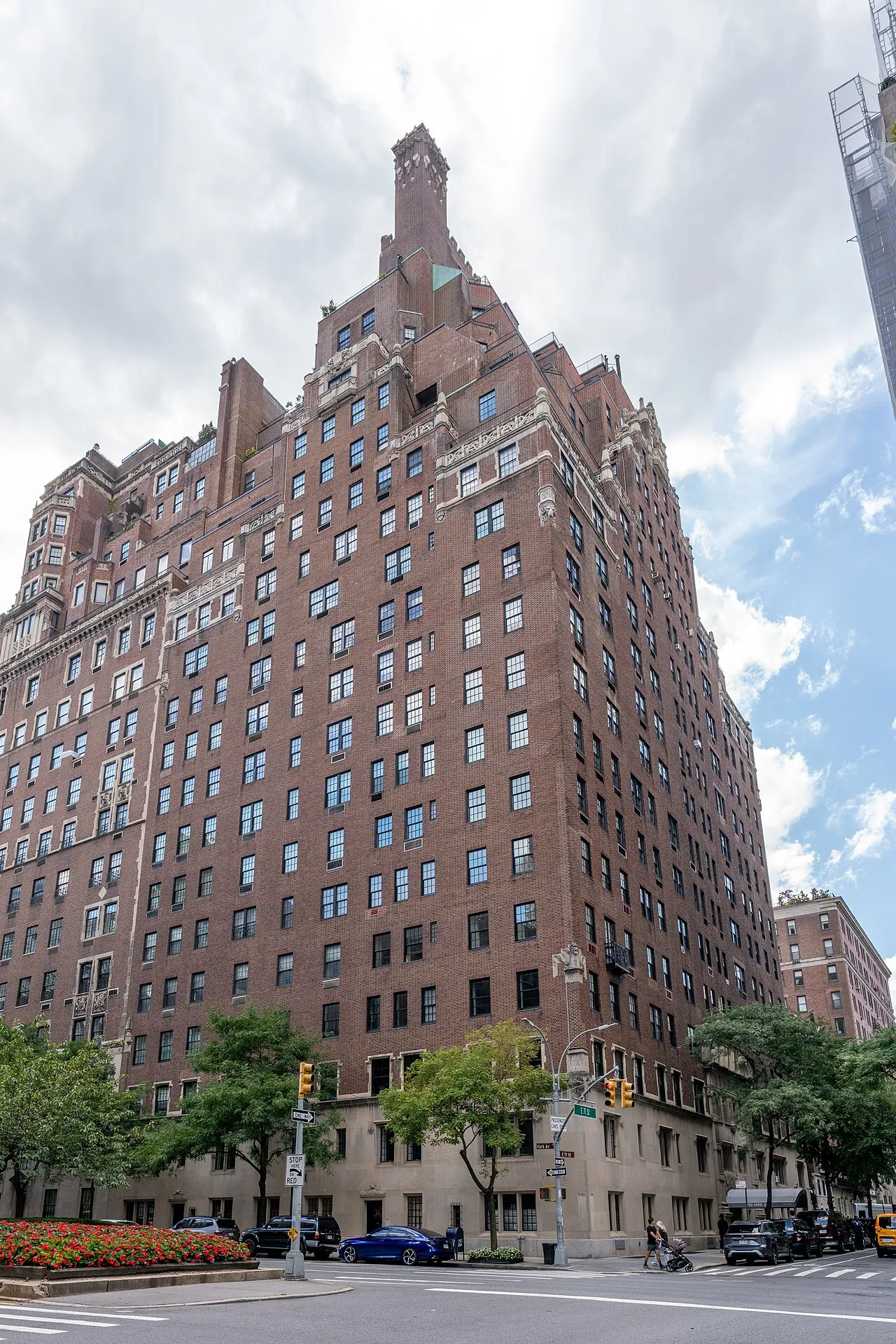
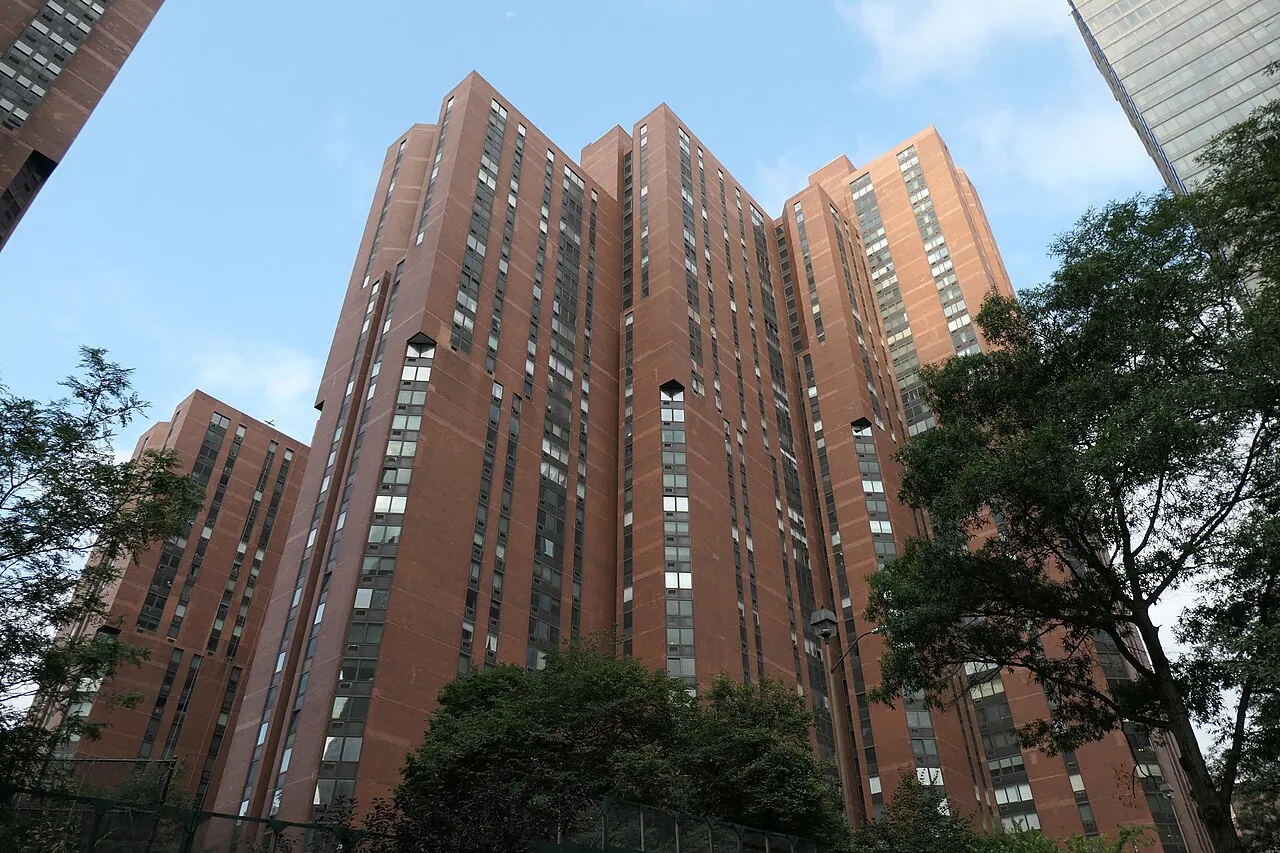
Upper East Side co-ops also vary widely in form. A prewar building may have large rooms, high ceilings, staff, and more visible wear in the systems. A postwar building may have a simpler layout, elevators, newer systems, and different noise patterns. A full-service building may include a doorman, concierge, package room, fitness room, storage, or landscaping. A smaller building may have fewer amenities but a different cost structure. The right choice depends on how you plan to live and what you are willing to maintain.
Where Upper East Side co-ops are found
For search purposes, the Upper East Side generally sits east of Central Park from around East 59th Street toward East 96th Street, with Lenox Hill, Carnegie Hill, and Yorkville among the areas buyers ask about. Boundaries vary by map and source, so use the street grid as a search aid rather than a legal definition.
Simplified search locator
This diagram shows the street grid people commonly use when searching the Upper East Side. It is a guide to the search area, not a legal neighborhood boundary or a property map.
The avenue line changes the search. Fifth Avenue, Madison Avenue, and Park Avenue often bring grander prewar buildings, stronger staffing, and different light and noise conditions. Lexington Avenue, Second Avenue, First Avenue, and York Avenue can offer a wider mix of older elevator buildings, postwar co-ops, newer development, and different street-level activity. A beautiful line does not tell you whether the apartment has usable light, a quiet bedroom, a workable floor plan, or a manageable maintenance bill.
Lenox Hill is commonly described as a residential neighborhood with local schools, cafés, groceries, restaurants, and access to Central Park. Carnegie Hill is known for cultural institutions and a quieter residential character in parts of the area. Yorkville has a more varied mix of older co-ops, newer buildings, neighborhood shops, and transit access after the Q train extension. These descriptions are useful orientation, not a substitute for visiting a particular block at the time of day you would actually live there.
How to use this map: start with the streets that fit your daily route, then compare the building itself. A co-op two blocks from a subway may still be a poor match if the light, layout, maintenance, or board rules do not fit your plan.
Build a complete co-op purchase budget
The purchase price is only the starting number. Your budget needs four parts: cash at contract, monthly carrying costs, building-level obligations, and future costs. A first-time buyer who only compares asking prices can miss the part of the decision that matters most after closing.
Start with the cash needed for the down payment and closing. A share loan is usually smaller than the purchase price, so the down payment is larger. Lenders and boards often look at loan-to-value, or LTV, which is the loan amount divided by the value. A $300,000 loan on a $400,000 value is a 75% LTV. Boards and lenders can set their own limits. General New York guidance often describes a minimum 20% down payment for co-ops, but that is not a promise for a particular building or loan.
Monthly maintenance is not just a fee for the lobby. It may cover building real estate taxes, staff, insurance, utilities, repairs, reserve funding, administration, amenities, and payments on the building's underlying mortgage. Read the budget and ask which items are included. Ask what has changed over the last two or three years and what major work is planned. A lower maintenance number can be a good sign or a warning if the building has been postponing work.
Other cash items can include your attorney, an engineer or architect when appropriate, appraisal or lender fees, board application or processing charges, move-in deposits or fees, insurance, storage or parking charges, and any renovation deposits. Transfer taxes can also appear on the closing statement. The exact allocation depends on the contract, exemptions, and the law; your attorney and lender should confirm it.
Illustration only
Change the inputs to see a simple cash and monthly-cost illustration. This is not a quote, a lender estimate, a tax calculation, or a board standard. Interest, taxes, insurance, attorney fees, transfer taxes, board fees, move-in deposits, and future assessments can change the result.
Monthly maintenance shown here: $2,400. A mortgage payment is not included because interest rate, loan terms, and lender fees are not inputs to this illustration.
| Category | What to include | What to verify |
|---|---|---|
| One-time cash | Down payment, legal and professional fees, lender costs, board fees, move-in deposits, initial insurance | Who pays each item, when it is due, and what is refundable |
| Monthly carrying cost | Mortgage payment if any, maintenance, personal insurance, utilities not included in maintenance | What maintenance includes and what can change |
| Building obligations | Underlying mortgage, reserves, capital projects, insurance, staffing, taxes | Recent financial statements, budget, minutes, and planned work |
| Future costs | Renovation, assessments, storage, parking, sublet fees, transfer fee at resale | House rules, alteration agreement, and proprietary lease |
New York transfer taxes need their own line in the budget. The NYC Department of Finance says Real Property Transfer Tax applies to transfers of real property and to transfers of cooperative housing stock shares. For a residential individual co-op transfer, its published rate is 1% when the value is $500,000 or less and 1.425% when the value is more than $500,000. The state tax page separately describes a base state transfer tax, a 1% mansion tax for residences at $1 million or more, and additional New York City state taxes for certain residential conveyances at higher thresholds. Those rules, exemptions, and payment responsibilities should be reviewed for the actual contract.
Sources: NYC Department of Finance RPTT, New York State transfer tax guidance, and NYC property tax benefits. The City also lists a Cooperative and Condominium Tax Abatement; confirm the building's current eligibility and expiration before counting on it.
What to notice during the search and tour
Tour the apartment as a home and the building as a long-term partnership. Take notes on things that are easy to miss during a quick visit. Return at another time when you can, especially if noise, light, or street activity matters to you.
- Layout: stairs, usable floor area, bedroom separation, closet space, and how furniture will fit.
- Light: window direction, courtyard versus street exposure, time of day, and whether the view could change.
- Noise: avenue traffic, deliveries, schools, restaurants, elevator shafts, mechanical rooms, and construction.
- Systems: heating, cooling, water pressure, plumbing, electrical capacity, windows, and moisture or odor.
- Legal use: bedroom count, egress, floor plans, and whether the apartment matches the certificate of occupancy or other legal-use record.
- Outdoor and shared space: terrace rights, courtyard access, storage, laundry, bikes, packages, and waitlists.
- Building life: staffing, amenities, move-in rules, elevator size, insurance, capital projects, and recent assessments.
- Renovation fit: alteration agreement, building architect or engineer review, work hours, fees, and insurance requirements.
Ask what is included in maintenance. Ask whether the building has a reserve fund, a planned facade or elevator project, a roof or boiler replacement, or an insurance renewal that could affect future costs. Ask how subletting, pied-à-terre use, guarantors, co-purchases, pets, and renovations are handled. These are not all questions every buyer needs answered in the same way, but they reveal whether the apartment fits your actual life.
General context: Brick Underground's guide to sublet restrictions in co-ops and condos. The proprietary lease, house rules, lender terms, and current board policy control the specific apartment.
A good tour question: “What would you want a future buyer to know about this building that is not visible in the apartment?” The answer may point to a financial, operational, or rules issue worth researching before you write an offer.
Documents and facts to establish before you commit
The board package is only one part of due diligence. Before you become emotionally committed, assemble the documents that explain ownership, legal use, finances, building rules, and future obligations. Your real estate attorney should review the legal documents. Your accountant or financial planner can help with the numbers. Your lender needs enough information to approve the share loan.
| Document or record | What it helps establish | Who usually reviews it |
|---|---|---|
| Proprietary lease and amendments | Occupancy rights, transfer restrictions, sublet terms, and shareholder obligations | Attorney |
| Bylaws and house rules | Board powers, pets, guests, move-ins, renovations, and use restrictions | Attorney and managing agent |
| Certificate of Occupancy or Letter of No Objection | Legal use and occupancy history; older buildings may have a different record | Attorney and DOB search |
| Offering plan and amendments, when applicable | Sponsor disclosures and the original structure of a sponsor sale | Attorney |
| Audited financial statements and budget | Income, expenses, reserves, debt, and planned spending | Attorney, accountant, lender |
| Underlying mortgage statement | Building-wide debt, payment terms, and maturity date | Attorney and lender |
| Minutes and capital plan | Recent decisions, disputes, repairs, and upcoming assessments | Attorney and engineer when needed |
| Sublet, pied-à-terre, guarantor, and co-purchase policies | Whether your intended use is allowed and what approval is required | Attorney and managing agent |
| Alteration agreement and approved plans | Renovation process, fees, insurance, work hours, and required approvals | Attorney, architect, engineer |
| Insurance certificates and claims history | Building coverage, large claims, and possible future cost pressure | Attorney and insurance broker |
| NYS Department of State entity search | Identity of the corporation or entity connected to the building | Attorney; use as a verification lead |
A typical board package includes a purchase application, personal and financial information, tax returns, bank and brokerage statements, debt information, reference letters, the contract, lender details, and building-specific forms. The exact list is not universal. Upper East Side buildings can have different expectations, and a package that works in one building may be incomplete in another. Ask the managing agent or listing side for the current requirements early.
The board interview is a review step, not a guarantee of approval. In general, a board may ask about the information in the application and the intended occupants. Fair-housing limits still apply. Do not assume a board will ask the same questions as another building, and do not assume that a strong application removes the possibility of rejection.
Useful references: NYS Department of State entity search, NYC Department of Buildings certificate of occupancy, how to read co-op or condo financial statements, and general board-interview guidance.
Inspections, renovation, and specialist review
A co-op purchase has two condition questions: the condition of the apartment and the condition of the building that owns the corporation. A clean apartment does not prove that the roof, facade, elevators, plumbing, boiler, or reserve plan are healthy.
Walk through the apartment carefully. Look at windows, walls, floors, ceilings, kitchen and bathroom plumbing, electrical outlets, heating and cooling, signs of moisture, and unusual odors. If the apartment needs substantial work, ask a qualified professional to review the scope before you treat a price difference as a renovation budget. Do not assume every building has the same defect, and do not accept an unverified repair estimate.
For the building, read the financial statements, budget, minutes, insurance information, and capital plan. Ask whether major work is planned, whether there is a reserve study, and whether an assessment has been discussed. Your attorney can identify the legal questions; an engineer or architect can explain physical condition and renovation feasibility.
If you plan to renovate, begin with the alteration agreement. It can set the submission process, documents, fees, insurance, work hours, contractor requirements, and review by the building's architect or engineer. Approval can take time and may require changes to the plans. A building's rules are not a city permit, and a city permit is not a substitute for association approval. Keep both processes in view.
General renovation context: Brick Underground's guide to getting co-op and condo renovation plans approved. Ask the managing agent which requirements apply to the building.
Before you make renovation part of your offer: ask what the building requires, who reviews the plans, what insurance is needed, what hours workers may use, what fees apply, and whether the work could trigger a larger capital project or assessment.
Compare alternatives and prepare an offer
Compare like with like. A co-op at one price on a quiet side street is not automatically the same value as a co-op on a busy avenue, even if the floor plan looks similar. Use comparable sales, which means similar completed transactions, not asking prices. Match ownership form, condition, size, floor, light, setting, maintenance, staffing, and intended use before drawing a conclusion.
| Question | Building A | Building B |
|---|---|---|
| Street, line, floor, views, light, and noise | ||
| Layout, legal bedroom count, storage, outdoor space | ||
| Maintenance and what it includes | ||
| Staffing, amenities, package room, bikes, parking | ||
| Financial statements, reserves, debt, planned work | ||
| Sublet, pied-à-terre, guarantor, co-purchase rules | ||
| Alteration agreement and recent approved work | ||
| Comparable completed sales and current competition |
Once the apartment and building fit, the purchase sequence is usually:
- Get a share-loan pre-approval. A lender should understand co-op share loans, the building's financial review, and the likely LTV limit. Ask what documentation the lender will need.
- Make an offer with the right terms. Price, deposit, attorney review, inspection or professional review, financing contingency if available, board-package timing, and closing date should fit the actual building process.
- Complete attorney review and sign the contract. Your attorney should explain the deposit schedule, review dates, transfer-tax allocation, building documents you can obtain, and the steps that let you cancel or continue under the contract.
- Complete building and physical due diligence. Review the proprietary lease, bylaws, house rules, financials, underlying mortgage, policies, alteration documents, legal-use records, and any unit-condition review that fits the apartment.
- Submit a complete board package. Use the current building checklist, keep the financial story consistent, and ask what reference letters or lender documents are required.
- Attend the interview if required. Be prepared to explain the application, intended occupancy, finances, and plans without guessing or overstating information.
- Finish lender approval and closing. Confirm the final loan terms, transfer-tax allocation, maintenance start date, move-in requirements, insurance, and keys.
Financing limits are not a single citywide number. The building, lender, loan program, appraisal, financial review, and your own debts can all affect the result. General industry guidance often describes a 22–24% debt-to-income range as a comfortable target for some co-op purchases, with stricter buildings asking for less. Debt-to-income means monthly liabilities, including a proposed loan and maintenance, divided by gross monthly income. Treat that as context, not as approval. Liquidity is another common review point. It means cash and other assets you can turn into cash without selling the co-op. A board or lender may ask what will remain after the down payment and closing costs. The amount expected, the assets that count, and the required holding period vary by building and loan.
See the general context in debt-to-income guidance, LTV guidance, and underlying-mortgage guidance.
How to learn from the actual transaction process
Compare the asking price with the board rules, maintenance, taxes, and financing limits before you decide what to offer.
Example purchase budget
Imagine a $1.5 million Upper East Side co-op with a 25% illustrative down payment and $2,400 monthly maintenance. The simple budget above would show $375,000 down, a $1,125,000 illustrative share loan, and $375,000 plus the one-time cost input before other closing costs. That arithmetic does not tell you whether the board will approve the buyer, whether the lender will use that LTV, whether transfer taxes change the closing statement, or whether the building has a future assessment.
The real transaction test is to put those numbers next to the proprietary lease, financial statements, underlying mortgage, sublet and renovation rules, comparable completed sales, and the lender's actual conditions. That is how a buyer moves from “I like the apartment” to “I understand the purchase.”
When you compare real completed transactions, keep the roles and dates straight. A past sale can show how the market treated similar apartments; it does not establish today's asking price, a building's current rules, or a future board decision. Use recent comparable sales as context, then verify the current documents for the property in front of you.
FAQs, buying checklist, and next step
What does a co-op buyer actually own?
You own shares assigned to the apartment and a proprietary lease that gives you the right to occupy it under the building's rules. You do not own the land or the building directly, and you do not receive a deed to the apartment.
What should the budget include?
Include the down payment, legal and professional fees, lender costs, board or move-in charges, maintenance, insurance, transfer taxes, future assessments, renovation costs, storage or parking, and any building fee that applies to your use or resale. Ask which transfer taxes and any building-level transfer fee apply to this purchase and resale.
How much can I borrow?
There is no single Upper East Side limit. The lender, loan program, appraisal, building's financial review, loan-to-value cap, debt-to-income review, and your own debts and assets all matter. Get a share-loan pre-approval, then have the lender and attorney review the specific building before you treat a maximum price as safe.
Do I need an inspection?
A walkthrough is always useful. An engineer, architect, or other qualified professional is especially useful when the apartment needs substantial work or when the building documents raise physical-condition questions. The building's financial and legal review is separate from the unit condition review.
Can I rent out an Upper East Side co-op?
Sometimes, but not automatically. Sublet rules, minimum residency periods, fees, board approval, lender requirements, insurance, and tax consequences vary. Read the proprietary lease, house rules, current board policy, and any minimum owner-occupancy rule before assuming you can rent or leave the apartment empty.
What is a flip tax?
It is usually a building-level transfer fee paid when shares are sold. It may be a flat amount, an amount per share, or a percentage of the sale price. The building's documents control the amount and who pays it; it is separate from city and state transfer taxes.
General source: Brick Underground's guide to co-op flip taxes and transfer fees. Do not use the general range as the fee for a specific building.
Do I need a city permit or building approval to renovate?
Usually, you need to plan for both kinds of review when work is involved. The alteration agreement controls approval from the building. A city permit, when the work requires one, is a separate process. A certificate of occupancy or other legal-use record also matters. Your attorney, architect, engineer, and managing agent should identify what applies before you rely on a renovation plan.
Can I renovate after closing?
Often, but the alteration agreement controls the process. The building may require plans, architect or engineer review, insurance, deposits, work hours, contractor approvals, and a defined review period. Start before treating the renovation as a settled part of your purchase plan.
How can John Slattery help?
John can help you identify Upper East Side buildings that fit your search, organize the building documents and questions, coordinate with your attorney and lender, prepare a complete board package, and keep the offer-to-closing sequence clear. Board decisions and loan approvals remain with the building and lender.
Buyer checklist
- Set a total cash budget, not just a price limit.
- Get a share-loan pre-approval from a co-op-experienced lender.
- Choose an attorney who will review the building documents.
- Compare maintenance, staffing, amenities, and planned work.
- Read the proprietary lease, bylaws, house rules, and policies.
- Review financial statements, reserves, debt, and minutes.
- Check legal use, approved work, and alteration history.
- Visit at a second time and test light and noise.
- Prepare a consistent board package and reference letters.
- Confirm transfer taxes, closing costs, insurance, and move-in rules.
Talk with John about an Upper East Side co-op purchase
Bring your target streets, budget, occupancy plan, and renovation ideas. We can turn those priorities into a building-by-building search and a document checklist before you make an offer.
This article is general information, not legal, tax, lending, insurance, engineering, or board advice. Rules, financing limits, taxes, maintenance, and approval standards change and vary by building. Confirm current facts with your attorney, lender, accountant, managing agent, and the building's official documents.
Back to the article library. Photography credits: Wikimedia Commons contributors as noted in each caption.