
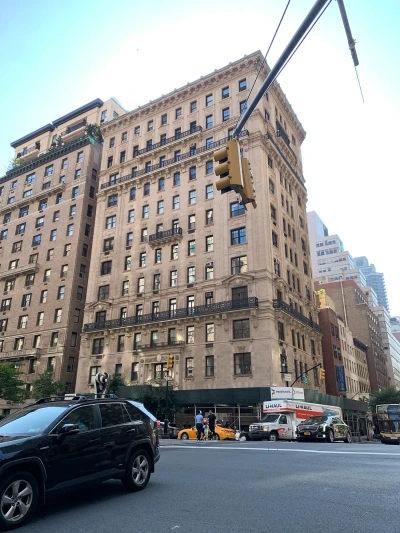
A source-backed guide to Lenox Hill’s approximate boundaries, Park Avenue and Madison Avenue co-op corridors, side streets, hospital and river blocks, parks, transit, schools, ownership rules, and practical buyer and seller decisions.
Lenox Hill is a lower Upper East Side neighborhood in Manhattan. People use the name for a compact residential area around the 60s and 70s, but published maps do not all draw the same line. A practical working frame runs from about East 59th or East 60th Street to East 77th Street, with some definitions extending toward East 79th, from Central Park and Fifth Avenue to the East River. This guide uses that approximate frame and labels it as informal.
The area is best understood as a series of experiences rather than one uniform product. Park Avenue and Madison Avenue bring a prewar apartment and co-op feel. Side streets can be more residential. Lexington Avenue and Second Avenue bring subway entrances and daily retail. The hospital and river side bring larger institutions, emergency routes, waterfront paths, and a different kind of street noise. The right choice depends on the exact block, floor, building rules, and the time of day you visit.
How John can help
John G. Slattery is a Corcoran agent with six years in real estate and 37 sales. He can help you compare Lenox Hill homes by building, block and what matters most to you.
Where Lenox Hill is, and why the boundary is fuzzy
Lenox Hill sits on the southern part of the Upper East Side. The western edge is Central Park and Fifth Avenue. Moving east, the important reference lines are Park Avenue, Madison Avenue, Lexington Avenue, Second Avenue, First Avenue, York Avenue, and the East River. The common north–south frame used in this article is approximately East 59th/60th Street to East 77th Street. Some sources describe the northern edge as East 79th Street. Those are useful planning references, not legal boundaries.
The distinction matters because neighborhood names and government boundaries do different jobs. Manhattan Community Board 8, for example, describes a much broader area: from the north side of East 59th Street to the south side of East 96th Street, between Fifth Avenue and the East River, plus Roosevelt Island. Its official overview and boundary map are useful for local-government context, but they should not be read as a legal definition of Lenox Hill.
How to use the map: Start with the exact address, then identify the nearest avenue, the nearest subway entrance, the nearest park or river access, and whether the block sits beside a hospital, school, major road, or construction site. A listing can say “Lenox Hill” while the daily experience still depends on those details.
What makes Lenox Hill different from nearby blocks
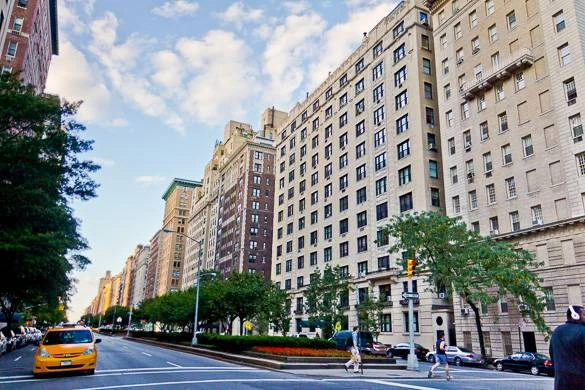
The clearest difference is the change in street life as you move across the avenues. The western side is next to Central Park and Fifth Avenue. Park Avenue has broad residential frontages and a more formal apartment feel. Madison Avenue mixes residential addresses with shops and services. Lexington Avenue and Second Avenue are more obviously transit and errand corridors. First Avenue and York Avenue move toward the hospital, medical offices, and the river edge.
The side streets are where many buyers try to find a middle ground. They can feel more residential than the avenues, but “quiet” is not a guarantee. A low floor may hear traffic; a high floor may have more light but less direct street interaction; a corner building may have exposure on two sides; and a block beside a hospital or major road can change character from hour to hour. The useful question is not “Is Lenox Hill quiet?” The useful question is “What is this exact block like at 8 a.m., at lunch, and late at night?”
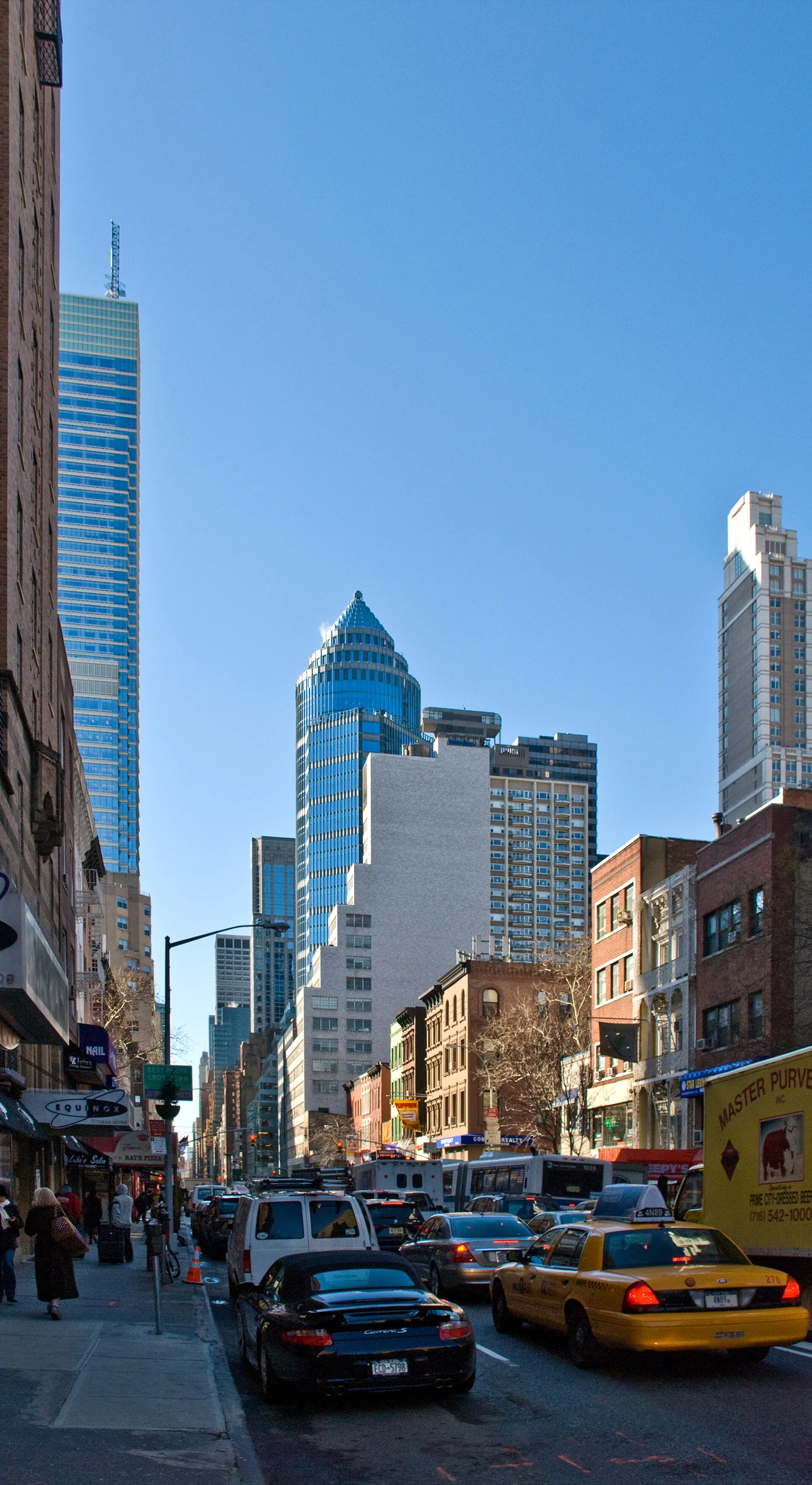
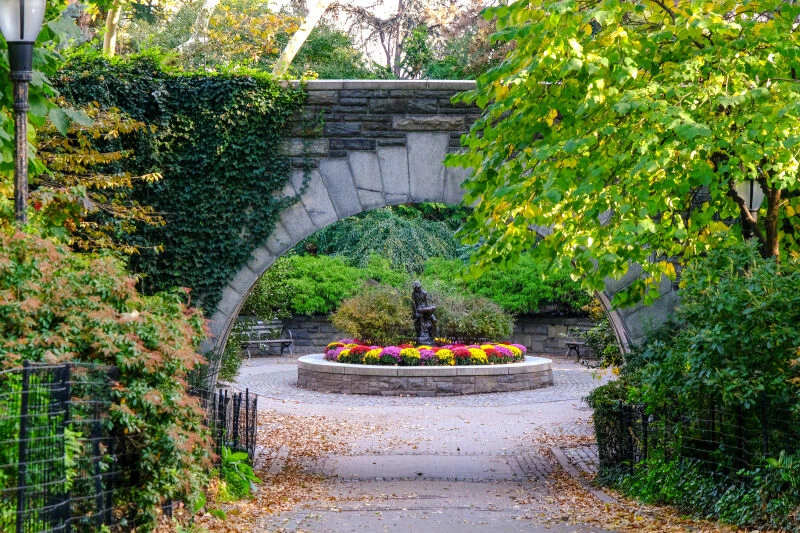
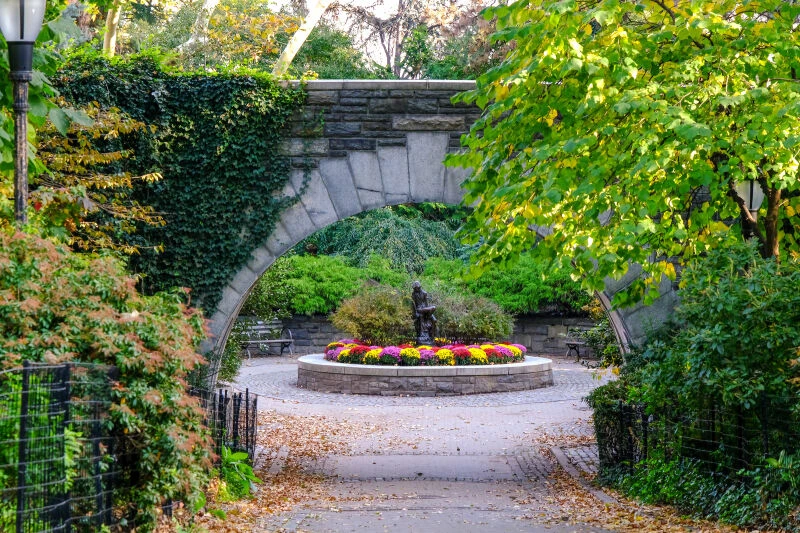
Open space is another difference. Central Park is the western destination. On the eastern side, the East River waterfront and Andrew Haswell Green Park provide a different kind of everyday outlet. NYC Parks describes Andrew Haswell Green Park as a park in the Lenox Hill section near the East River, and its page places the park around the East 60th–61st Street area near York Avenue and the FDR Drive. The exact path segments and access points should be checked before relying on a route.
How Lenox Hill developed
The name is tied to the Lenox family landholding. As Manhattan’s grid moved north in the nineteenth century, large holdings were subdivided and sold for development. That history helps explain why the area has a mix of older rowhouses, apartment buildings, later alterations, and institutional blocks rather than one planned cluster of identical homes.
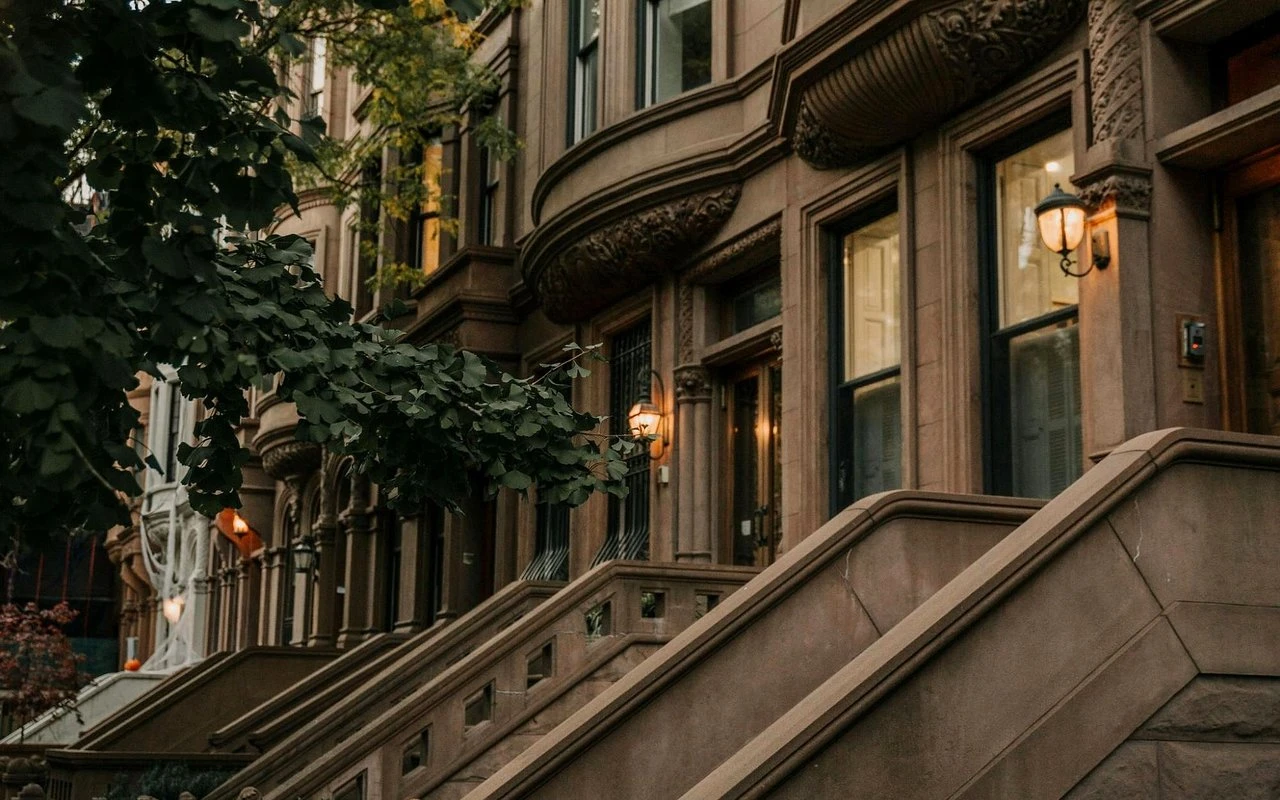
Much of the housing character comes from the late nineteenth and early twentieth centuries. Some buildings keep period details; others have been altered, combined, or converted. The practical result is variety: different ceiling heights, window arrangements, elevator setups, service areas, and renovation histories can appear even on the same avenue.
Preservation is important but easy to overstate. The New York City Landmarks Preservation Commission has a designation report for the Upper East Side Historic District, and its designation-report index explains how the commission documents designated properties. A historic district does not make every Lenox Hill building landmarked. Before assuming that a change is allowed or restricted, check the specific property’s designation status with the LPC map or records.
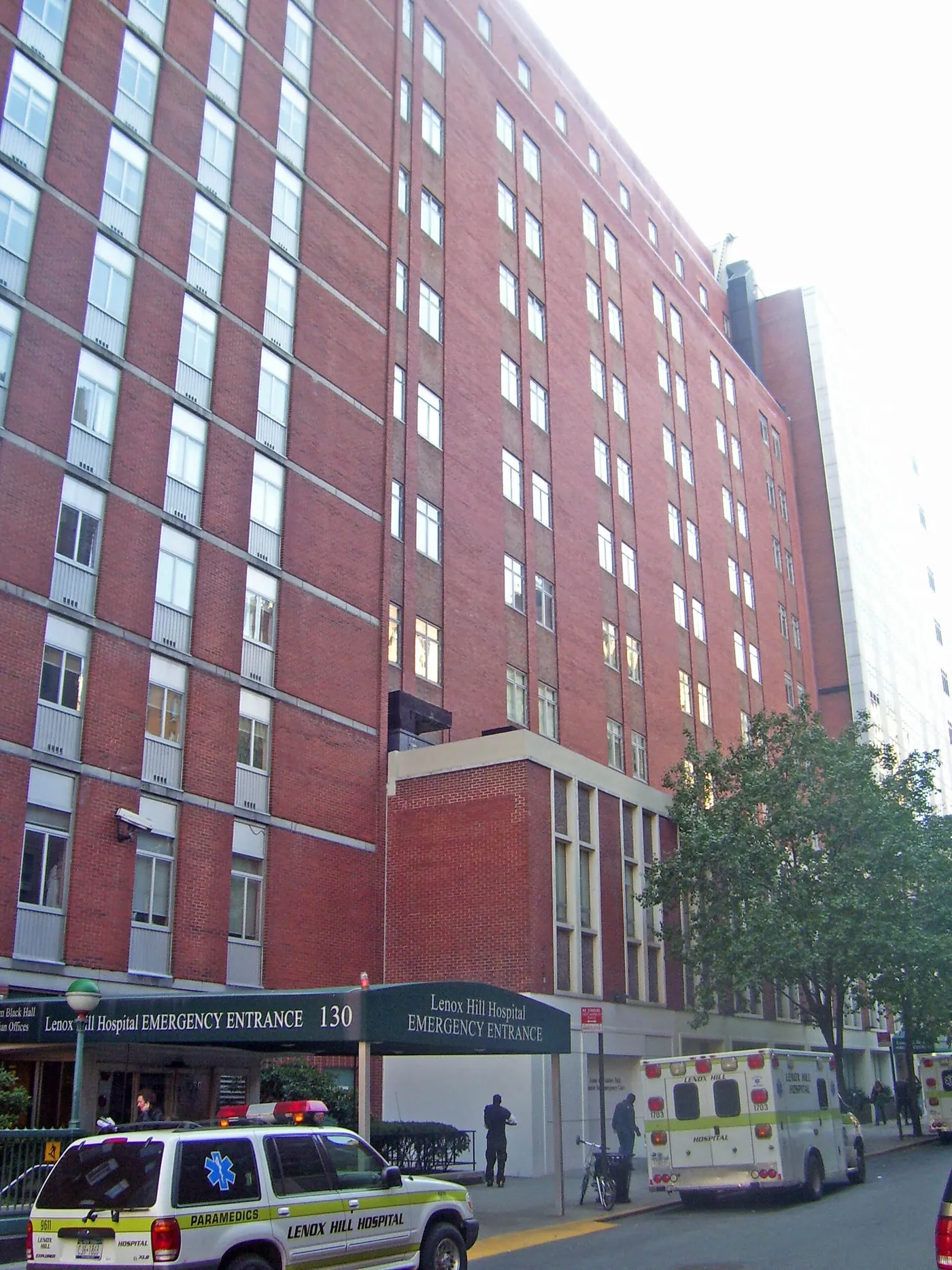
The hospital is part of the area’s history too. Northwell’s Lenox Hill Hospital history page traces the institution to a community effort that began in 1857 as the German Dispensary and later became known as Lenox Hill Hospital. Today, the hospital’s presence is a major reference point for the northern and eastern edge. The official contact page is the right place to verify current address and contact details.
Homes and meaningful smaller areas
Lenox Hill is not one housing product. The most useful way to compare it is by ownership form, block type, and building condition. In a co-op, the buyer purchases shares in a corporation that owns the building and receives a proprietary lease for a particular unit. The New York State Attorney General’s cooperatives page explains that basic structure. A condominium is owned more directly through a real property interest, while a rental is a lease rather than an ownership purchase. Each form creates different rules, costs, and approval paths.
| Area or type | What it often means | Possible upside | What to verify |
|---|---|---|---|
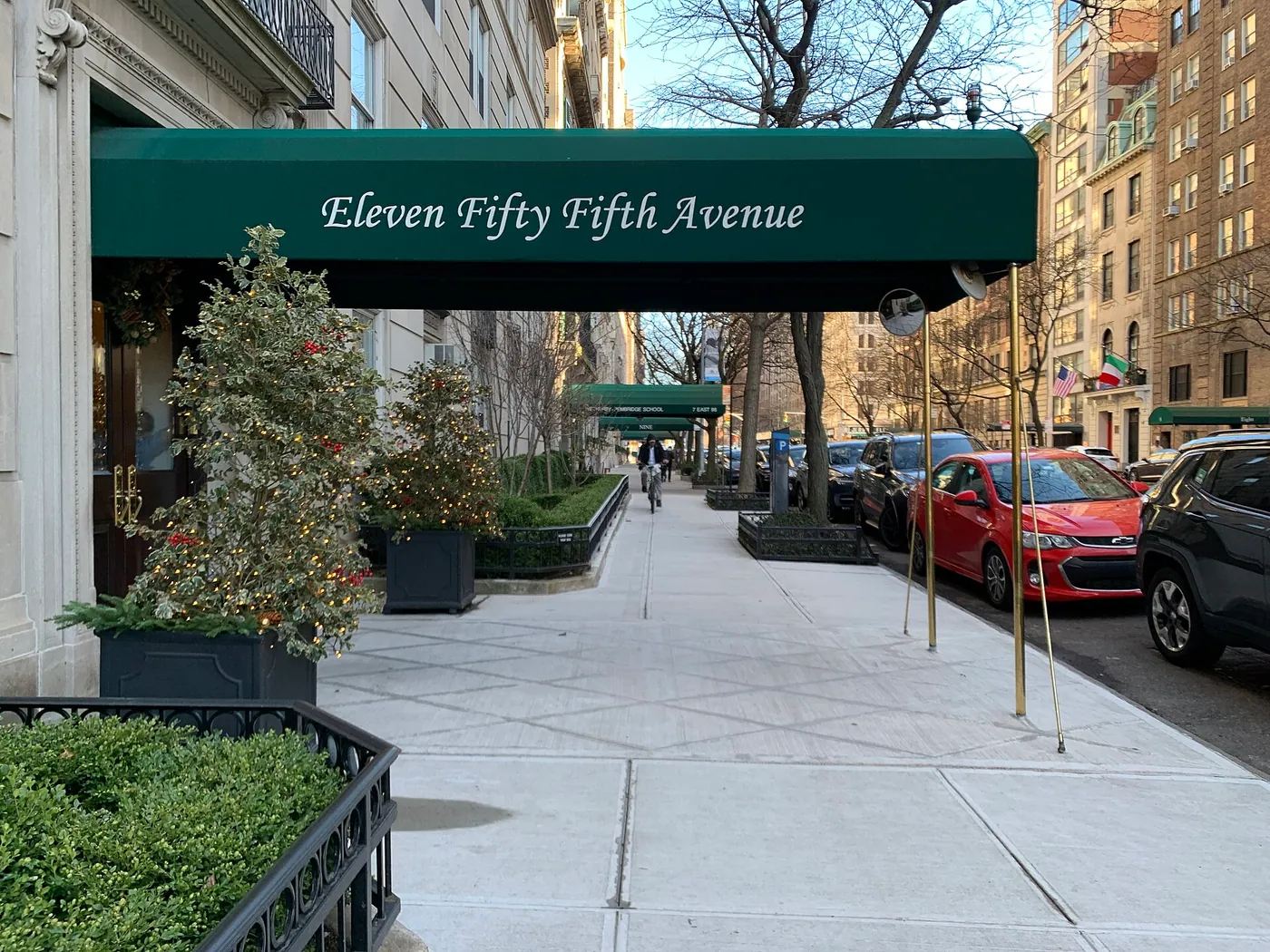
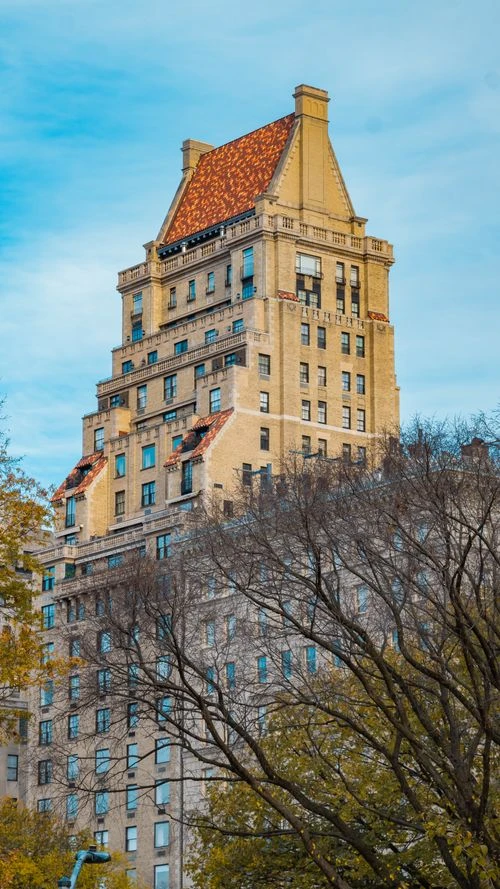
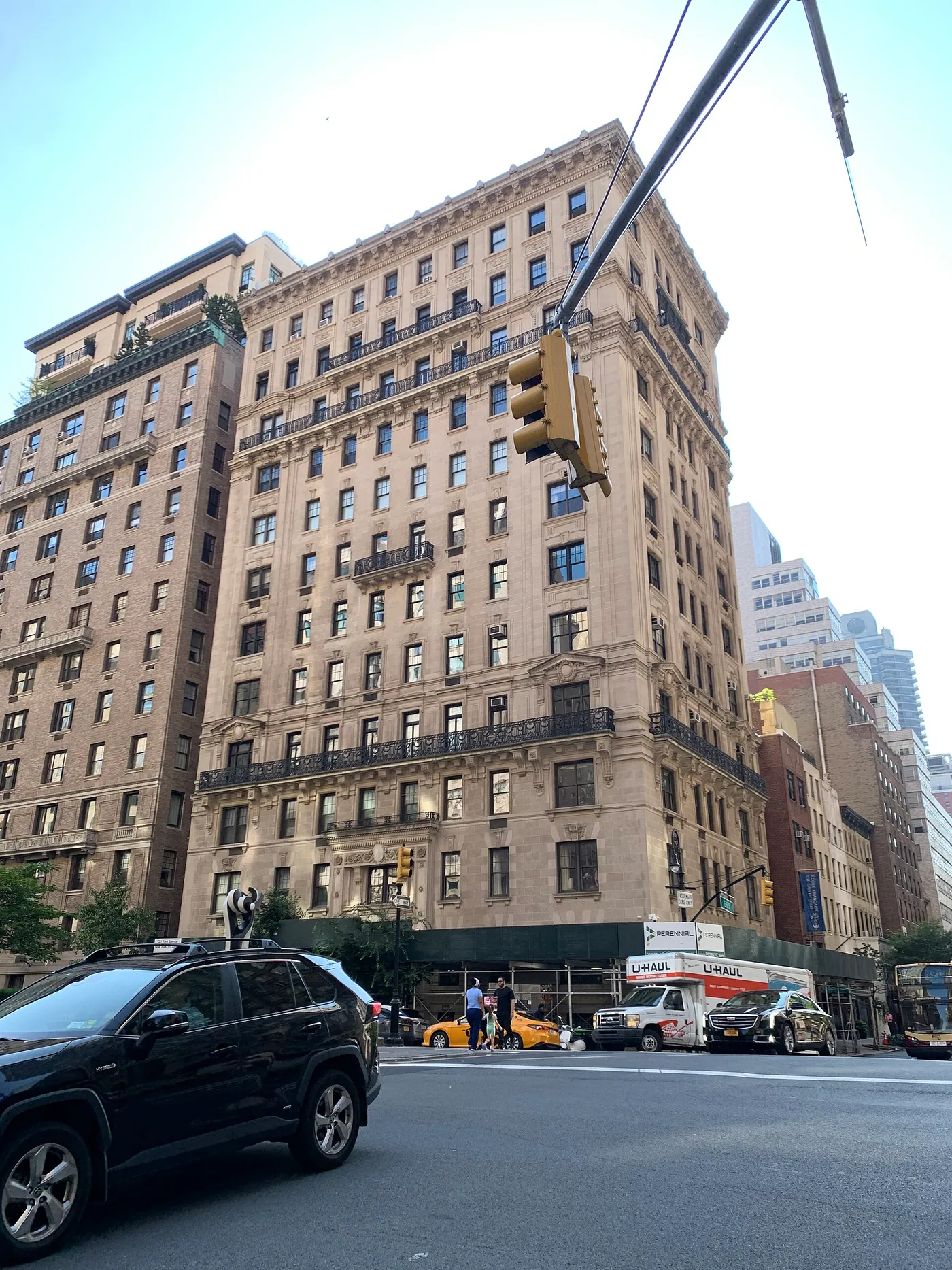
| Park Avenue and Madison Avenue corridors | Prewar apartment and co-op buildings with stronger avenue frontages. | Classic layouts, established building systems, and a recognizable residential address. | Board rules, maintenance, staff, elevator and lobby condition, light, and renovation history. |
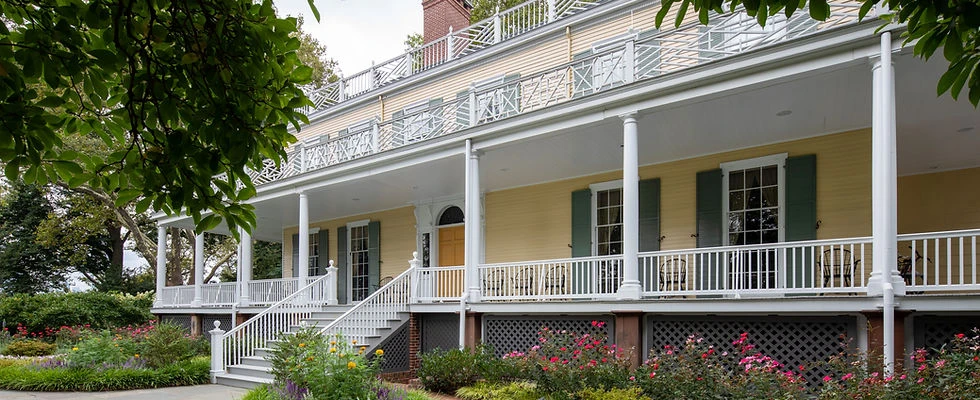
| Side streets | Townhouses, rowhouses, smaller apartment buildings, and mixed-age housing. | More direct street life and, on some blocks, a more residential scale. | Street noise, floor level, window exposure, roof or yard rights, and landmark status. |
| Lexington and Second Avenue blocks | More transit-oriented apartments and everyday retail. | Shorter walks to subway entrances, shops, and services. | Train noise, corner exposure, pedestrian traffic, and the building’s actual setback. |
| Hospital and river-side blocks | Institutional buildings, medical activity, waterfront paths, and larger road infrastructure. | Access to medical care and open-space routes where the block connects to them. | Emergency-route noise, delivery activity, construction, flood/insurance questions, and views. |
There is no single official list of named sub-neighborhoods inside Lenox Hill. Listings often use the parent name plus a street, avenue, or building descriptor. That is useful: “Lenox Hill” tells you the general area, while the block and building tell you what daily life will actually be like. Compare a Park Avenue co-op, a side-street townhouse, and a Second Avenue apartment as different choices, not as interchangeable versions of the same neighborhood.
Everyday life: parks, errands, culture, transit, and schools
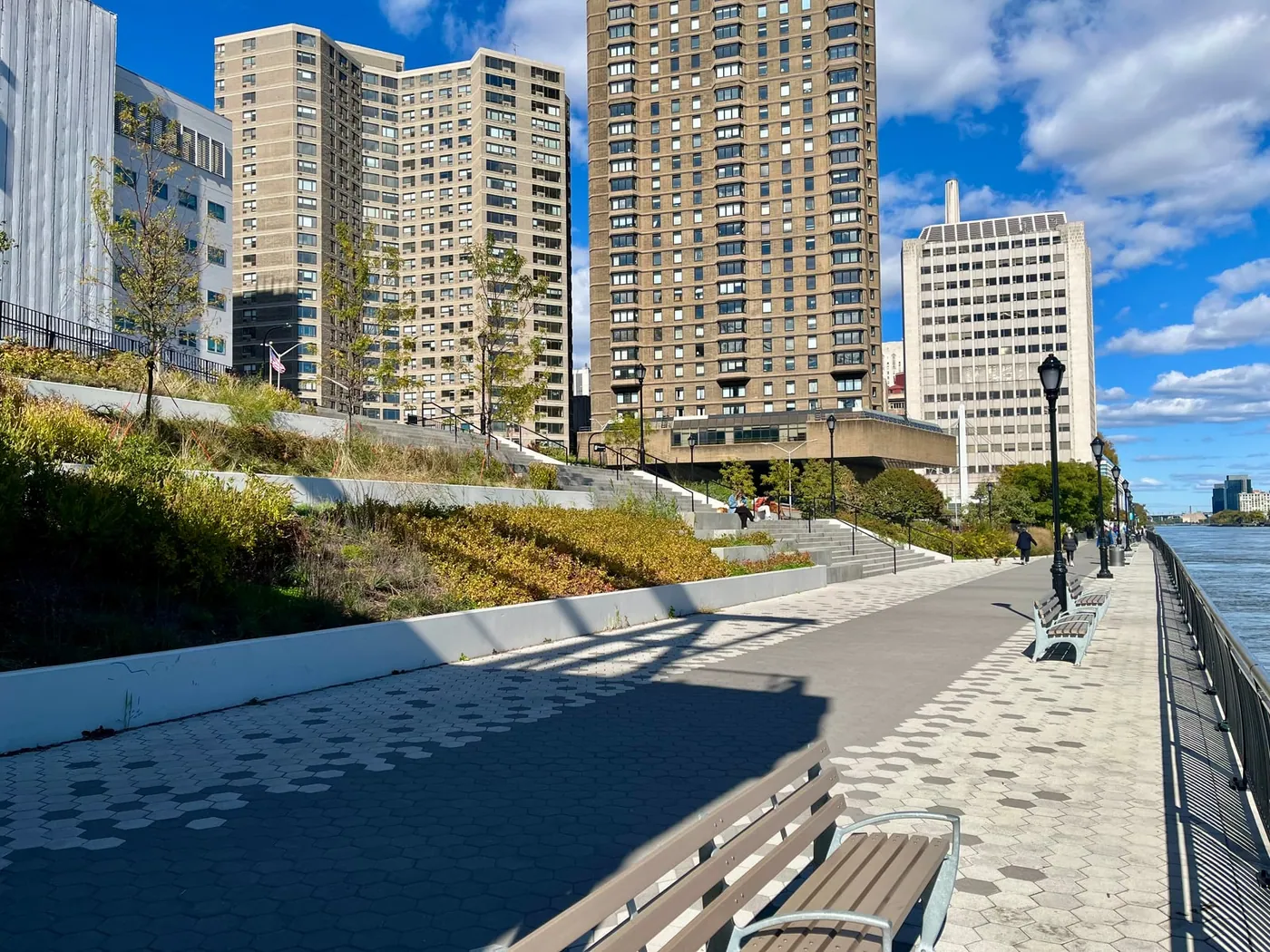
A daily routine in Lenox Hill usually combines several short trips rather than one perfect route. On the west side, Central Park is the major outdoor destination. The Central Park Conservancy’s planning page is a useful starting point for visitor information. On the east side, the East River Esplanade and Andrew Haswell Green Park provide waterfront paths and river views. NYC Parks lists the East River Esplanade as a park group with multiple zip-code and community-board connections, so check the exact segment before planning a walk or ride.
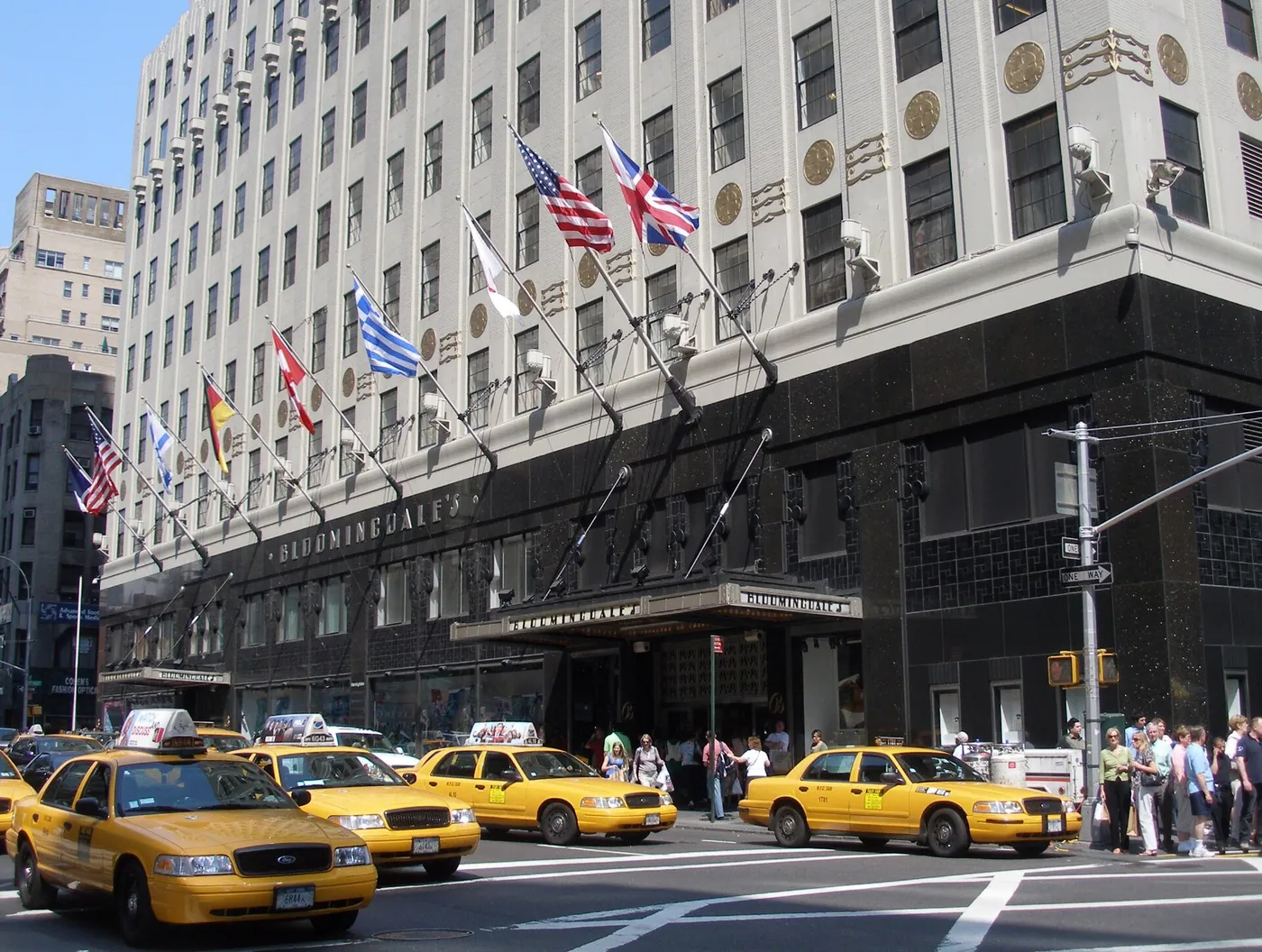
Shopping is anchored at the southern edge by Bloomingdale’s. The official store page lists the 59th Street location at 1000 Third Avenue, New York, NY 10022. Treat it as a nearby southern gateway rather than assuming every Lenox Hill address is equally close. Local errands can also be handled along the avenue corridors, but stores, hours, and delivery patterns change; verify current information rather than relying on an old neighborhood list.
Libraries are useful daily-life anchors too. The New York Public Library’s 67th Street Branch is a local example; its official page says the branch dates to 1905 and serves the Upper East Side. The Yorkville Branch at 222 East 79th Street is a nearby option for some addresses, especially when the northern edge is part of the search.
Cultural stops can also be part of daily life. The official pages for the Frick Collection place it at 1 East 70th Street, and the Asia Society New York lists 725 Park Avenue at East 70th Street. Both sit inside the common frame used here, but hours, tickets, and access can change, so check the institution’s current page before making a visit part of a routine.
Transit and commuting
The main subway reference points are the Lexington Avenue line and the Second Avenue Q. The MTA’s 6 line map is a useful reference for the Lexington Avenue corridor, which includes stations around 68th, 77th, and 86th Streets. The MTA’s Second Avenue Subway Phase 1 page says the first phase extended the Q line to 96th Street and created stations at 72nd and 86th Streets. The Q line map shows the broader route.
Use the MTA trip planner from the exact address, then walk the route from the apartment at the time you usually travel.
Schools: check assignment by exact address
School assignment is not a neighborhood-wide fact. A nearby school is not proof that a particular address is zoned for it. Use the official MySchools search and the NYC Department of Education’s school information for the exact address, then confirm the current rules with the school or DOE.
What ownership involves in Lenox Hill
The less obvious work of owning here is usually building-specific. A co-op purchase can require a board application, financial review, references, and sometimes an interview. Rules about maintenance charges, sublets, pets, pied-à-terre use, flip taxes, and renovations vary by building. The Attorney General’s co-op page explains the ownership structure, but the building’s offering plan, proprietary lease, house rules, and current financial statements are the documents that tell you what you would actually be buying into.
- Building financials: Read the most recent financial statements, reserve information, assessment history, and any planned capital work. Ask what has been approved and what is still proposed.
- Monthly costs: Separate base maintenance or common charges from assessments, taxes, storage, parking, and any special fees. A low price with a large unknown obligation is not necessarily a lower cost.
- Board process: Ask for the actual application steps, timing, financial requirements, interview expectations, and what happens if the board does not approve. Do not treat a board approval as automatic.
- Renovation rules: Check the alteration agreement, permitted work hours, insurance requirements, contractor rules, noise rules, elevator reservations, and whether the building requires an architect or expediter.
- Light and layout: Visit at more than one time of day where possible. Look at window direction, neighboring buildings, setbacks, courtyard exposure, and the difference between the floor plan and what the rooms actually feel like.
- Service and staff: Learn which services are included, which are additional, and how the building handles deliveries, repairs, package rooms, and emergencies. Staffing levels can change.
- Noise: On hospital, avenue, subway, and river-side blocks, listen for traffic, emergency vehicles, deliveries, construction, and train or road noise. A quiet viewing does not prove a quiet night.
- Outdoor space: A terrace, roof deck, garden, or courtyard may be private, shared, restricted, or subject to separate rules. Get the actual right in writing.
Historic or landmark status can add another layer. If a building or block is designated, exterior work may need review by the Landmarks Preservation Commission. Use the LPC’s official designation materials and property records for the exact address. Do not assume that “prewar” means “landmarked,” or that “not landmarked” means every change is unrestricted.
The river side adds practical questions about the FDR Drive, waterfront infrastructure, insurance, and flood exposure. Those are not reasons to avoid a home; they are reasons to ask for current official information and appropriate professional advice for the exact property. A view, a path, or a river-adjacent address does not by itself establish a flood zone, an insurance cost, or a future maintenance obligation.
Why people consider Lenox Hill, and the tradeoffs
People often like the combination of a residential neighborhood with several kinds of access: Central Park on one side, the East River on the other, subway lines in the middle, shopping near the southern edge, medical institutions nearby, and a mix of prewar and later housing. The variety makes it possible to choose between a quieter side street, an avenue with more activity, or a building closer to a park or river.
The tradeoffs are equally concrete. Older buildings may have older systems, narrower halls, less storage, or more complicated renovation paths. Co-op rules can slow a purchase or limit how a home is used. Light can be blocked by a neighboring building. Avenue and hospital blocks can be noisy. River-side blocks can raise insurance and infrastructure questions. The neighborhood name can also hide large differences between two addresses only a few blocks apart.
Buying and selling here
For buyers
- Write down the exact block and the reason you like it: side-street calm, subway access, park access, river access, hospital proximity, or a particular building type.
- Walk the route to the subway, grocery, park, and workplace at the time of day you would normally travel. Do not rely on a neighborhood-wide commute estimate.
- Ask for the building’s current financials, maintenance history, assessments, sublet rules, board requirements, and renovation process.
- Inspect light, noise, windows, elevator dependence, storage, package handling, and the real condition of the unit.
- Check the exact school information through MySchools or DOE if schools matter to your decision.
- For a co-op, prepare for a board process and understand that approval is a separate step from an accepted offer.
For sellers
- Describe the actual building and block accurately, including the floor, exposure, noise context, staff, fees, and any known capital plans.
- Gather current financial and rule documents that a serious buyer will ask to review. Do not hide an assessment, alteration restriction, or pending work.
- Document permitted renovations, permits, architect approvals, and alteration agreements where applicable.
- Set expectations around board approval, timing, and the buyer’s need to complete diligence.
- Use dated market evidence when pricing or comparing a property. This guide intentionally does not publish current prices or unsupported neighborhood statistics.
Frequently asked questions
- Is there an official Lenox Hill boundary?
- No single legal boundary should be assumed. This article uses a common approximate frame from about East 59th/60th to East 77th, sometimes described as extending to East 79th, from Central Park/Fifth Avenue to the East River. Published definitions vary. Community Board 8 is a broader government boundary.
- What kinds of homes are common?
- The area includes prewar co-op apartments, side-street townhouses and rowhouses, mixed-age apartment buildings, condos, and rentals. The ownership form, building rules, floor, light, and condition vary by address.
- Does the hospital change daily life?
- It can. Hospital-area blocks may have more institutional activity, deliveries, pedestrians, and emergency-route noise. The exact effect depends on the street, floor, and time of day. Visit the block before treating it as either noisy or quiet.
- Which transit should I check?
- Check the Lexington Avenue line around the 68th, 77th, and 86th Street stations and the Second Avenue Q around the 72nd and 86th Street stations. Use the MTA trip planner from the exact address for current routes and schedules.
- How do I check schools?
- Use MySchools or official NYC Department of Education information to check the exact address.
- What should a co-op buyer ask first?
- Ask for the actual application process, board requirements, building financials, maintenance and assessment history, sublet rules, renovation rules, and the documents a buyer will receive during diligence.
- Should a seller assume every old building is landmarked?
- No. Check the specific property’s LPC designation status. Historic age and landmark status are related but not the same thing.
- What is the best way to compare two Lenox Hill addresses?
- Compare the block, avenue, floor, exposure, subway walk, park or river access, hospital proximity, ownership form, monthly costs, building financials, and renovation rules. The neighborhood name alone is not enough.
Sources and further checking
The links below are the main official or institutional references used for this guide. Check current pages before making a decision because transit, school, park, hospital, and building information can change.
- Manhattan Community Board 8 overview and boundary map.
- NYC Landmarks Preservation Commission designation reports and the Upper East Side Historic District report.
- NYC Parks: Andrew Haswell Green Park and East River Esplanade.
- Central Park Conservancy visitor information.
- MTA 6 line map, Q line map, Second Avenue Subway Phase 1, and MTA trip planner.
- Lenox Hill Hospital history and contact information.
- Bloomingdale’s 59th Street store, NYPL 67th Street Branch, and NYPL Yorkville Branch.
- Frick Collection contact and address and Asia Society New York.
- New York State Attorney General: Cooperatives and NYC MySchools.