
This guide explains where Yorkville sits on the Upper East Side, how its varied housing works, what Carl Schurz Park and the East River edge add to daily life, and which transit, school, ownership, renovation, and block-position questions matter before buying or selling.
Upper East Side neighborhood guide
What Yorkville is
Yorkville is an Upper East Side neighborhood on Manhattan's east side, between the avenues and the East River. A commonly used frame runs roughly from East 79th or East 86th Street to East 96th Street, with Third or Lexington Avenue on the west and the East River on the east. The southern and western edges vary by source, so treat that frame as a useful guide rather than a legal boundary.
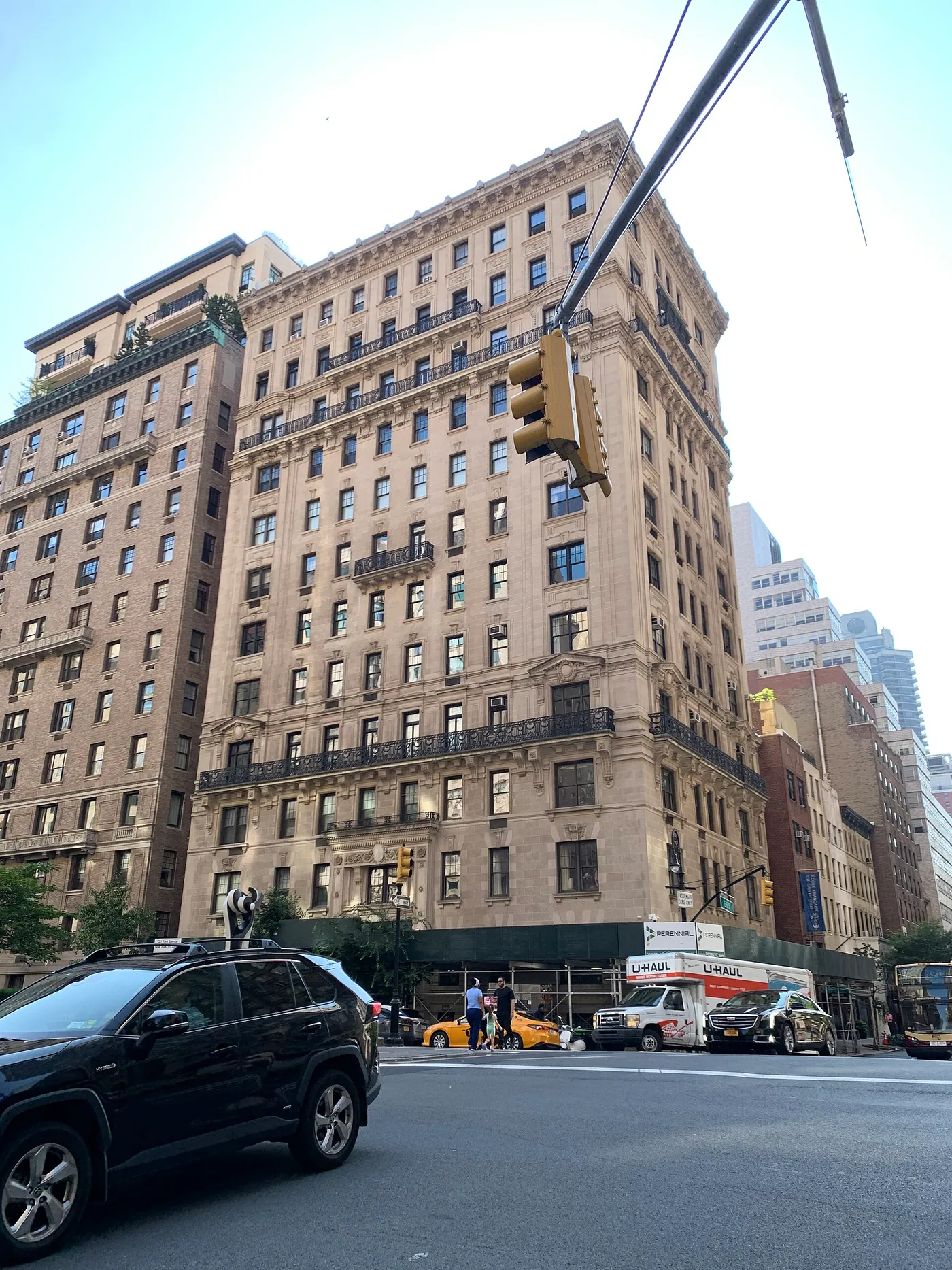
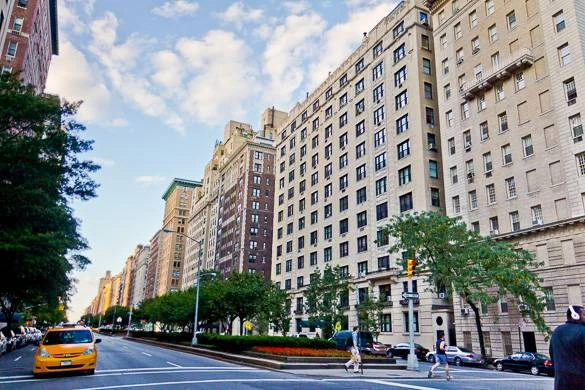
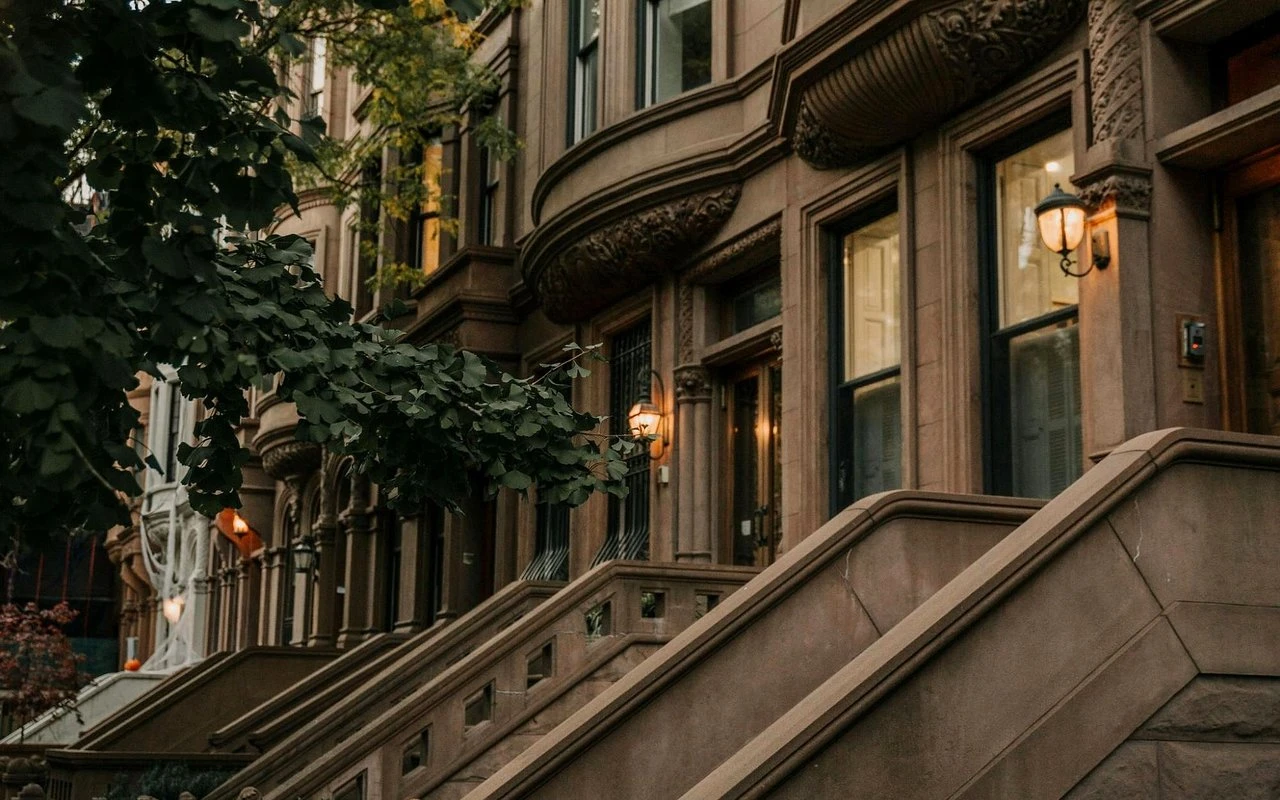
The area is not one uniform product. A walk through Yorkville can move from low-rise walk-ups and prewar elevator buildings to postwar towers, condominiums, townhouses, and newer development. The block, the building age, the ownership form, and the position between avenues or near the river all change what daily life feels like.
John Slattery's connection to the Upper East Side
John G. Slattery is a Corcoran agent with six years in real estate and 37 sales. He helps buyers and sellers compare Upper East Side homes and understand the differences from block to block.
Location and boundaries, housing types, history, Carl Schurz Park and the riverfront, transit, schools, local institutions, co-op and condo ownership, building financials, renovation rules, block position, tradeoffs, and a practical buying and selling checklist.
Where it is and how to understand the area
Yorkville sits east of Central Park and the Museum Mile stretch of Fifth Avenue. It is north of the Lower East Side and south of East Harlem. To the west are the Upper East Side's main avenues; to the east are East End Avenue, York Avenue, the FDR Drive, and the East River. The neighborhood is therefore best understood as a set of east–west blocks with different levels of traffic, light, and access.
FDR Drive / riverfront walk
222 E 79th St
historic enclave
77th / 86th / 96th
86th / 96th
mixed housing blocks
quieter river edge
E 84th–E 90th
This is an orientation diagram, not a legal boundary map. A common working frame runs from East 79th or East 86th Street to East 96th Street, from Third or Lexington Avenue to the East River. The southern and western edges vary by source.
Inside the common frame
East 79th or East 86th Street to East 96th Street; Third or Lexington Avenue to the East River. Carl Schurz Park sits along the river between about East 84th and East 90th Streets. The NYPL Yorkville branch is at 222 East 79th Street. Henderson Place is a small historic enclave near East End Avenue and East 86th–87th Streets.
Nearby, not necessarily inside
Central Park, the Metropolitan Museum of Art, Rockefeller University, East Harlem, and the East River waterfront destinations are nearby references, not automatic proof that a home is inside Yorkville. Check the exact address when a boundary matters for a listing, a school zone, or a landmark rule.
The map is intentionally simple. It shows the relationship between the avenues, the river, the park, the two subway lines most readers ask about, and a few institutions. It does not replace a zoning map, a school-zone lookup, or a legal description of a property.
What makes Yorkville different
Yorkville's character comes from contrast. West of Second Avenue, the grid is denser and more connected to the Upper East Side's main avenues. East of First Avenue, the blocks feel closer to the river, and East End Avenue has a quieter, more residential rhythm. The same neighborhood can therefore offer a busy commercial street, a calm side street, a park edge, and a river-facing block within a short walk.
Avenues and cross streets
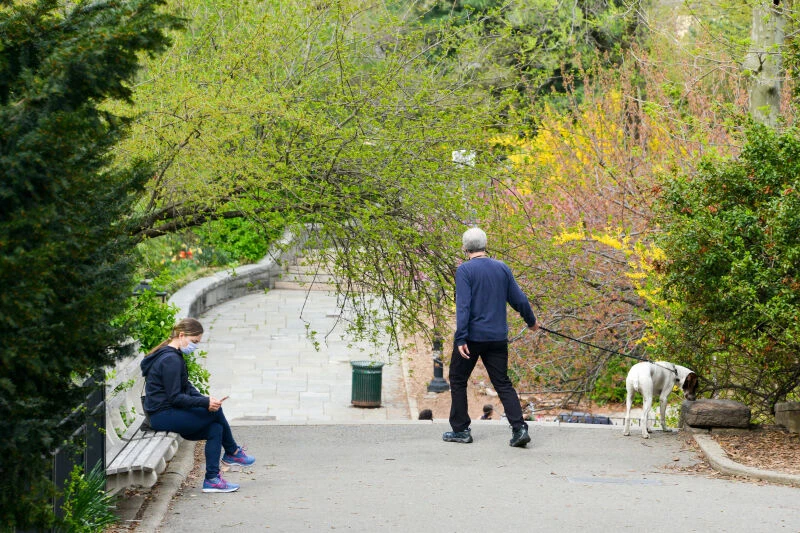
Avenues carry more traffic and more visible city activity. Cross streets can be quieter, but the exact experience changes block by block. Visit at different times of day and listen for delivery trucks, buses, construction, and school or park activity.
River side versus west side
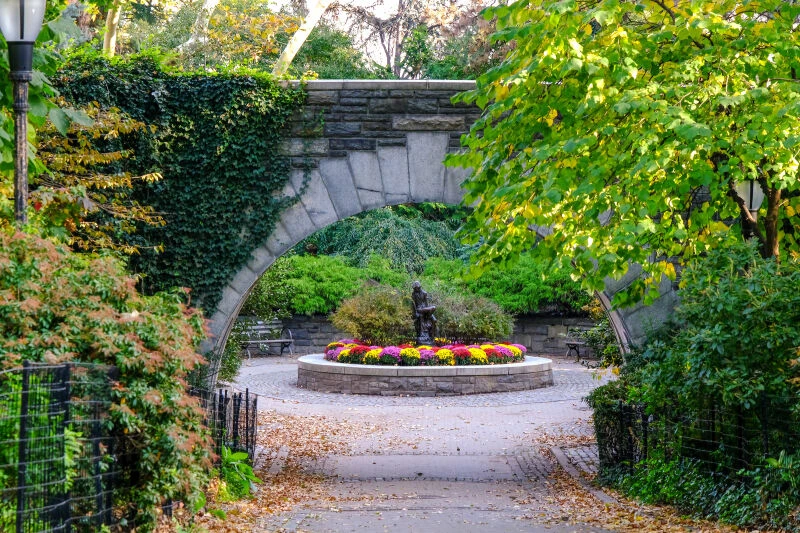
The river side offers park access and open views in some locations, but it can also bring FDR Drive noise, wind, and construction context. The western side is closer to Lexington and Third Avenue transit and commercial life, but it may be farther from the park.
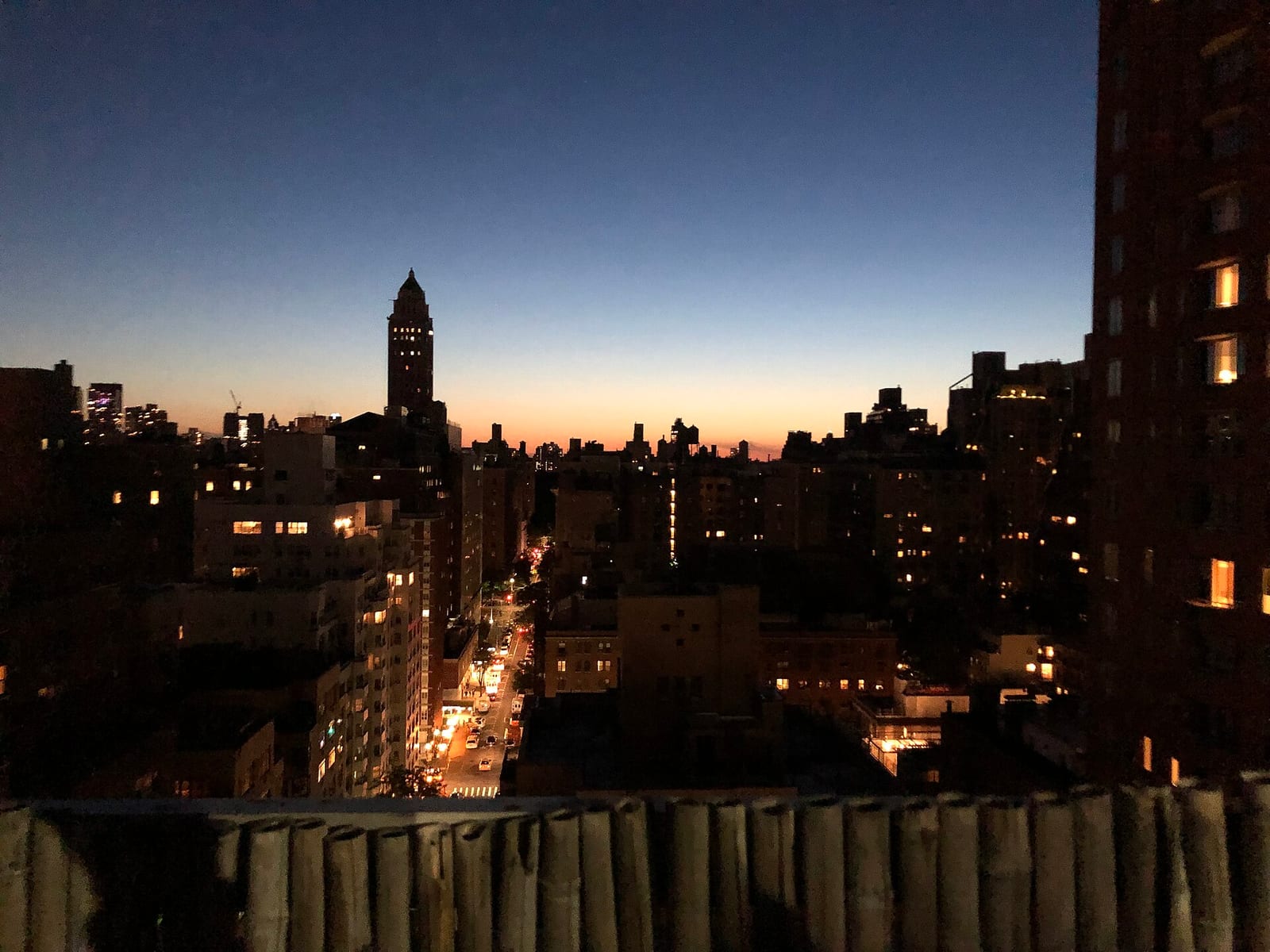
Light and views are not guaranteed by the word “Yorkville.” Ask which direction the main windows face, what is across the street, how tall the neighboring buildings are, and whether a park, avenue, courtyard, or airshaft is in front. A lower floor on a quiet street and a high floor on a busy avenue can feel like two different neighborhoods.
How Yorkville developed
Yorkville grew from a rural edge of Manhattan into a dense residential district. Local histories connect the area to the Boston Post Road, country estates, and the New York & Harlem Railroad. A railroad station near 86th Street and Park Avenue was operating by the 1830s, and horsecar lines followed on Second and Third Avenues in the 1850s. The Third Avenue elevated train arrived in 1877–78, and the Second Avenue elevated followed in 1879–80. Those transit lines helped turn farms and estates into blocks of apartments, shops, churches, and institutions.
German, Hungarian, Czech, Slovak, Irish, and other immigrant communities helped shape the neighborhood. East 86th Street became known in local histories as “German Broadway.” Churches, mutual-aid groups, shops, and community houses carried that history into the twentieth century. The elevated trains were later removed, and redevelopment brought the postwar towers and newer buildings that now sit beside older walk-ups and prewar apartment houses.
An old building may have character, but it may also have older systems, original windows, façade work, and rules that a newer condo does not. A historic-looking block is not automatically a landmarked block. The history helps you ask better questions; it does not tell you what a specific unit is worth or what a board will approve.
Useful background sources include the City Lore Yorkville profile, the Historic Districts Council's Yorkville entry, and the Friends of the Upper East Side Yorkville special.
Homes and meaningful smaller areas
Start with the building, not the neighborhood label. Yorkville contains several ownership forms and physical styles. The practical differences below are more useful than a generic statement that one type is “better.”
| Housing type | What you may notice | Questions to ask |
|---|---|---|
| Walk-ups and older apartment buildings | Smaller scale, fewer or no elevators, original details, and more direct contact with the street. | How many flights? What are the maintenance costs, roof/elevator plans, and window rules? Is there a super or live-in manager? |
| Prewar co-op buildings | Higher ceilings, heavier bones, elevators, shared staff, and a corporation that sets rules. | What do the board minutes, financial report, maintenance, and flip tax or resale rules say? What work needs approval? |
| Postwar buildings | Often larger elevator buildings with more uniform plans, different window systems, and different common areas. | What is the façade condition? What are the reserves, assessments, elevator status, and sublet rules? |
| Condominiums | Individually owned units with common elements governed by condominium documents and a board or managing agent. | What are common charges, taxes, reserve rules, renovation procedures, and rental restrictions? |
| Townhouses and newer development | More private space or newer systems, but different insurance, tax, construction, and association questions. | Who owns the roof, façade, yard, and mechanical systems? What are the association fees and capital plans? |
Henderson Place: one historic enclave, not the whole neighborhood
Henderson Place is a short historic district near East End Avenue and East 86th–87th Streets. The New York City Landmarks Preservation Commission's designation report says that developer John C. Henderson commissioned Lamb & Rich to design the houses in 1880–82 for “persons of moderate means.” Twenty-four of the original thirty-two houses survive. The district was designated on February 11, 1969.
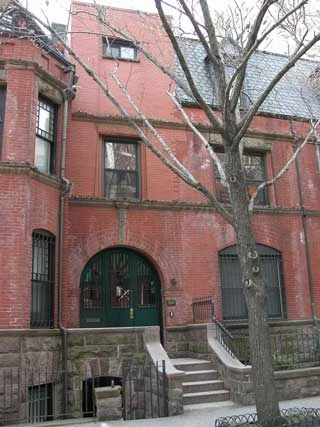
Henderson Place is useful because it shows how a small group of buildings can preserve a different scale and street wall. It is not evidence that every Yorkville home is landmarked, that every old building has the same protections, or that one ownership form is cheaper. Read theLPC Henderson Place report andboundary map before assuming a rule applies.
Everyday life: parks, riverfront, transit, and institutions
Carl Schurz Park and the East River edge
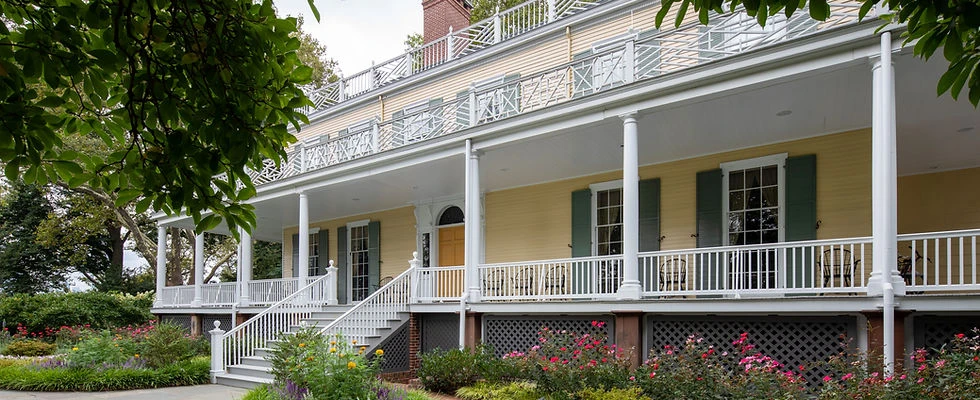
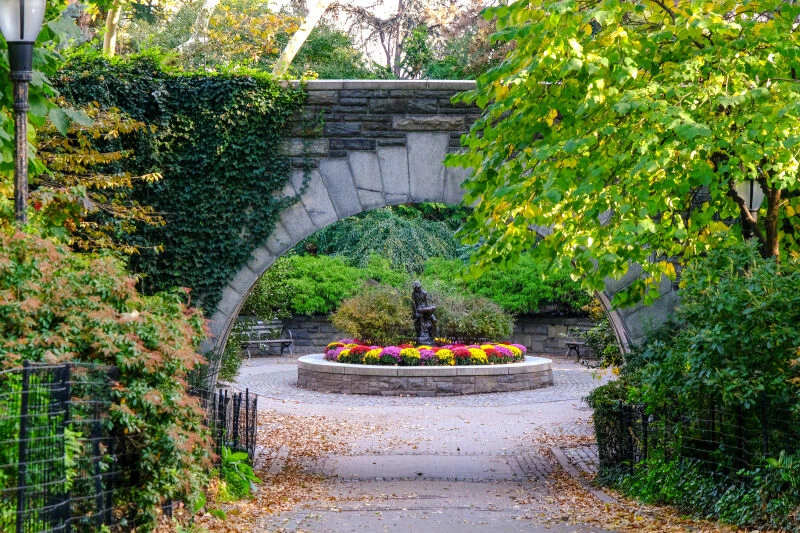
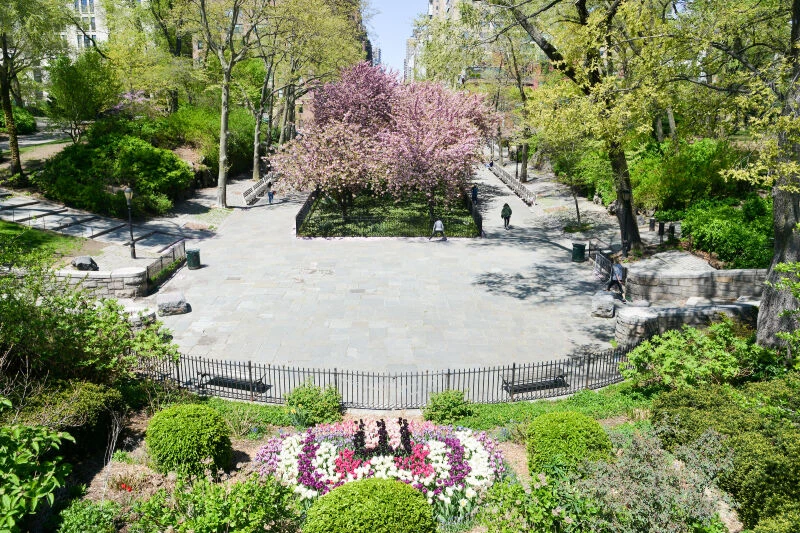
Carl Schurz Park runs from East End Avenue to the East River between about East 84th and East 90th Streets. NYC Parks lists it as 14.94 acres and describes a promenade, Gracie Mansion, playgrounds, dog runs, basketball and pickleball courts, and public restrooms. It is a real daily-life asset for people who live nearby, but it is a public park, not a private amenity included with a home.
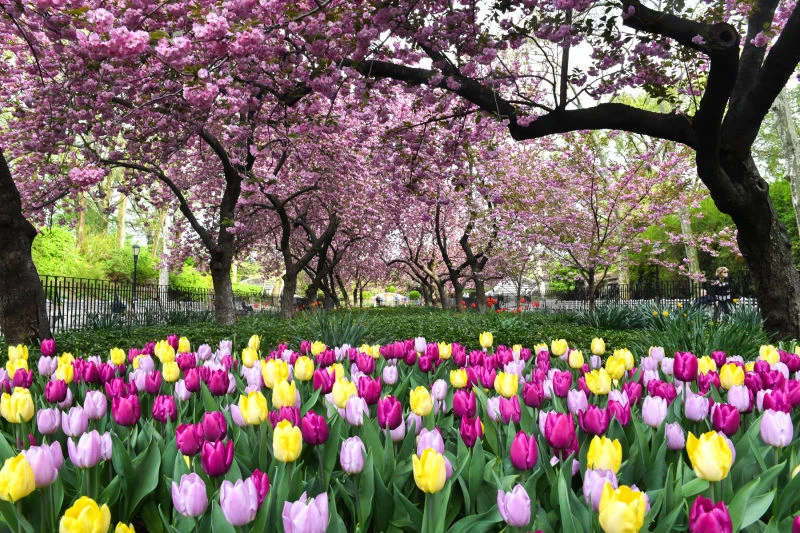
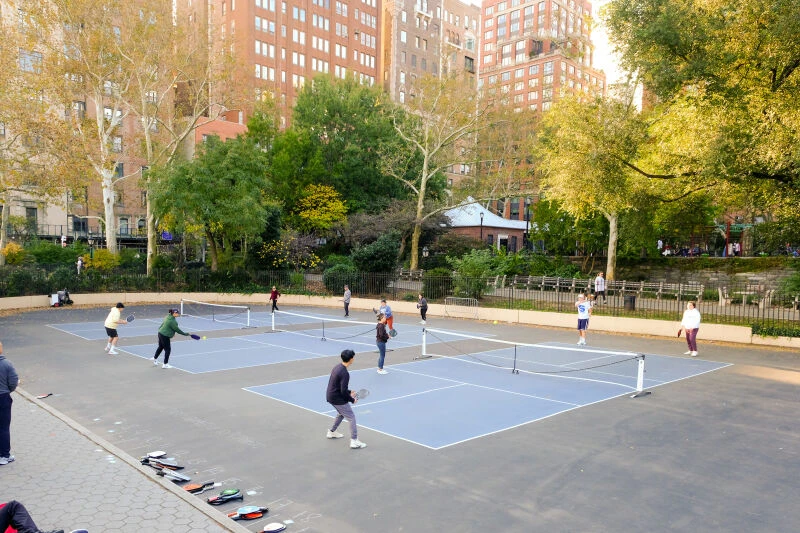
The waterfront walk is commonly called the promenade or John Finley Walk. NYC Parks says it sits above the FDR Drive and connects with the East River Esplanade. The city has undertaken structural and safety work on this kind of waterfront infrastructure, so check current access before planning a route. Thepark history page andJohn Finley Walk project page explain the history and maintenance context.
A river-facing home may have open views and easy park access. It may also be closer to FDR Drive noise, wind, construction, and the structural work that keeps the promenade safe. Visit at different hours and ask what the building's windows, insulation, and courtyard orientation do with that context.
Transit and routes
The Second Avenue Q line has stations at 86th Street and 96th Street. Theofficial MTA Q map is the right place to check the current route and station pattern. The Lexington Avenue line is also nearby, with stations at 77th, 86th, and 96th Streets. Bus service, including routes such as M15, M31, M72, M86, M96, and M101, fills in shorter east–west and north–south trips.
These routes make Yorkville connected, but they do not promise a particular commute time. Travel depends on the exact address, time of day, transfers, service changes, and whether you walk to the station or take a bus. Use theMTA maps for current information rather than a memory of an old route.
Library, schools, and community institutions
The NYPL Yorkville branch is at 222 East 79th Street. NYPL describes it as a Carnegie branch that opened in 1902 and was renovated in 1986–87. It is a useful neighborhood anchor for reading, study, programs, and everyday errands.
Schools are an address-by-address question. NYC's official guidance says school zoning depends on the exact home address. Use theNYC School Finder and the NYC311 school-zone article to check current assignment. A school near a Yorkville block is not proof that a particular home is zoned for it.
St. Joseph's Yorkville
The Archdiocese of New York describes St. Joseph's at 404 East 87th Street as a German national parish founded in 1873, with the current church built in 1894–95. Its German and Hungarian Mass traditions are a direct link to the area's immigrant history. Check the current schedule before attending.
Kolping House and parish life
Kolping House at 165 East 88th Street traces its New York branch to 1888 and says the current house opened in 1914. TheSt. Monica–St. Elizabeth of Hungary–St. Stephen of Hungary parish at 413 East 79th Street is another example of how institutions still carry the area's central European history.
What ownership involves
The less obvious work of owning in Yorkville is often in the building rules, financial documents, and physical condition. The neighborhood label does not tell you whether a home has a doorman, a healthy reserve fund, a quiet courtyard, or permission to replace windows.
Co-op or condo: two different ownership forms
Co-op
A co-op is short for cooperative. You buy shares in a corporation that owns the building, and you receive a proprietary lease that lets you live in a specific apartment. The corporation sets rules, collects maintenance, and approves many transfers. TheNew York Attorney General's co-op guide explains this structure.
Condo
A condominium owner holds title to an individual unit and shares ownership of common elements such as hallways, roofs, and shared systems. Owners generally pay property taxes and common charges, and the condominium documents govern renovations, rentals, and shared decisions. See theAttorney General's condo guide.
Neither form is automatically easier. Compare the actual documents: monthly carrying cost, taxes or common charges, reserves, board or association rules, rental policy, renovation process, and the condition of the building. TheAttorney General's “Before You Buy a Co-op or Condo” checklist recommends reviewing the offering plan, physical condition, known defects, board minutes, recent financial report, violations, and concerns involving the façade, roof, elevator, and plumbing.
Financials, reserves, and special assessments
A building's financial report shows what it owns, owes, earns, and spends. Board minutes can reveal planned work, disputes, or rules that are not obvious in a marketing description. Reserves are money set aside for future repairs. A special assessment is an extra charge imposed on owners for a particular expense or project. You do not need to become an accountant, but you should understand whether a large project is planned, how it will be paid for, and what the documents say about reserves.
Renovation and landmark review
Not every Yorkville building is landmarked. When a property is inside a designated historic district or is an individual landmark, exterior work may require an application to the New York City Landmarks Preservation Commission. Staff approval may be possible for some work, while more visible changes can require a hearing or a more detailed review. TheLPC designation-report library andYorkville Bank report are useful examples of how specific properties are documented.
Even outside a landmarked building, the co-op or condo board may control windows, floors, kitchens, bathrooms, balconies, and construction hours. Before making an offer, ask which changes are allowed, what approvals are needed, what documents must be submitted, and how long the process usually takes. If a home is in Henderson Place, confirm the exact landmark status before planning exterior work.
Light, views, noise, and block position
| Position | Possible benefit | What to inspect |
|---|---|---|
| West, near Third or Lexington | Closest to subway lines, shops, and Upper East Side routes. | Avenue noise, bus and truck movement, window exposure, and the walk to the station. |
| Middle blocks | Often a more balanced walk to both transit and the river. | Street width, neighboring building height, courtyard orientation, and delivery activity. |
| East, near First or York | Shorter walk to Carl Schurz Park and the river edge. | FDR Drive noise, wind, views, construction, and whether the promenade is open. |
| East End Avenue / Henderson Place | A quieter, more residential street feel near the park. | Landmark rules, low-rise context, sunlight, and the exact relationship to the river and FDR Drive. |
The right answer depends on the unit. Visit the home in the morning and evening, stand at the windows, walk the route to the subway, and listen for what changes. A view can be beautiful and still come with wind or traffic noise. A quiet street can be farther from the train. These are tradeoffs, not promises.
Why people consider Yorkville—and what the tradeoffs are
Reasons people look here
- Walkable access to groceries, restaurants, the library, parks, and several subway lines.
- Carl Schurz Park and the East River edge for daily walks and outdoor time.
- A wide range of housing types, from walk-ups to newer development.
- Institutions and a visible immigrant history that still shapes local life.
- A location within the Upper East Side without treating the neighborhood as one uniform product.
Real tradeoffs
- Avenue and FDR Drive noise can differ sharply from a quiet side street.
- Older buildings may need more upkeep, approvals, and capital-plan review.
- Co-op boards can limit financing, subleting, renovations, and transfers.
- Parking, elevators, and building staff are not guaranteed in every property.
- The boundary varies by source, so “Yorkville” is not a substitute for checking an exact address.
A good fit depends on what you value: an easy walk to the train, a quieter river edge, a larger prewar layout, a newer building with less visible upkeep, or a particular school assignment. The guide does not decide those preferences for you. It gives you the facts to compare them.
Buying and selling here
For buyers
- Write down the monthly carrying cost you can support, not just the asking price.
- Compare co-op and condo documents, board rules, taxes or common charges, and reserve questions.
- Check the exact address in the NYC School Finder if school assignment matters.
- Visit the block at different times. Check noise, light, views, walk time, and park access.
- Ask whether the building is landmarked and what approval process applies to the work you want.
- Review the physical-condition items the New York Attorney General recommends: façade, roof, elevator, plumbing, known defects, and violations.
For sellers
- Describe the actual building and block: age, elevator, staff, exposure, noise, park access, and nearby routes.
- Gather the documents buyers will ask for, including current financial information, known work, and house rules.
- Explain renovation or landmark restrictions clearly when they apply; do not make a buyer discover them late.
- Use dated facts for any price, assessment, or project estimate. Market conditions and building plans change.
- Keep the story specific to the home. A neighborhood guide cannot substitute for a property-specific pricing and preparation plan.
Bring John the address and your goals so you can talk through the building, nearby options and which documents to check.
For the legal and ownership basics, start with theNew York Attorney General's buying checklist, the New York City Bar's co-op and condo guide, and the NYC School Finder.
Yorkville FAQs
Where is Yorkville?
It is on Manhattan's Upper East Side, generally between Third or Lexington Avenue and the East River, around East 79th or East 86th Street to East 96th Street. Sources vary on the southern and western edges.
What kinds of homes are in Yorkville?
The housing mix includes walk-ups, prewar elevator co-ops, postwar buildings, condominiums, townhouses, and newer development. The right questions depend on the building and ownership form.
Is all of Yorkville historic or landmarked?
No. Henderson Place is a designated historic district, and Yorkville Bank is an individual landmark, but you must check the exact property before assuming landmark rules apply.
What transit serves the neighborhood?
The Second Avenue Q has 86th and 96th Street stations. The Lexington Avenue line is nearby at 77th, 86th, and 96th Streets, and local buses connect the avenues and cross streets. Check current MTA maps for routes and service.
How do co-op and condo ownership differ?
A co-op buyer purchases shares in a corporation and receives a proprietary lease. A condo buyer owns an individual unit and shares common elements. Compare the actual rules, costs, and documents for each building.
How do I check the assigned school?
Use the official NYC School Finder with the exact home address. School zones are address-based, so a nearby school does not prove assignment.
What should I inspect on a specific block?
Check noise at different hours, light and views, the route to transit, park access, building financials, maintenance rules, renovation approvals, and landmark status when relevant.
Next step: talk through the address
Yorkville is easier to understand when you replace the neighborhood label with three questions: What is the exact address? What is the building and ownership form? What does daily life feel like on that block?
John Slattery is a solo Corcoran agent serving the Upper East Side. If you are considering buying or selling in Yorkville, bring the address, your priorities, and the questions above. The useful next step is a property-specific discussion grounded in the actual documents, route, block, and building—not a generic promise about the whole neighborhood.
Official starting points: NYC Parks: Carl Schurz Park · MTA: Q line map · NYPL: Yorkville branch · NYC School Finder · NY Attorney General: buying a co-op or condo
Sources used in this guide
Links below support the main facts, rules, and changing-information checks in the article. They are not a substitute for verifying the exact property, current service, or current school assignment.
- NYC Parks: Carl Schurz Park
- NYC Parks: Carl Schurz Park history
- NYC Parks: John Finley Walk project
- MTA: Q line map
- NYPL: Yorkville branch
- NYC School Finder
- NYC311: school zones
- NY Attorney General: cooperatives
- NY Attorney General: condominiums
- NY Attorney General: before buying
- New York City Bar: co-ops, condos and lofts
- LPC: Henderson Place report
- LPC: Henderson Place map
- LPC: Yorkville Bank report
- NYC DOT: truck routes
- City Lore: Yorkville
- Historic Districts Council: Yorkville
- Friends of the Upper East Side: Yorkville special
- Archdiocese of New York: St. Joseph Yorkville
- Kolping House New York
- St. Monica–St. Elizabeth of Hungary–St. Stephen of Hungary