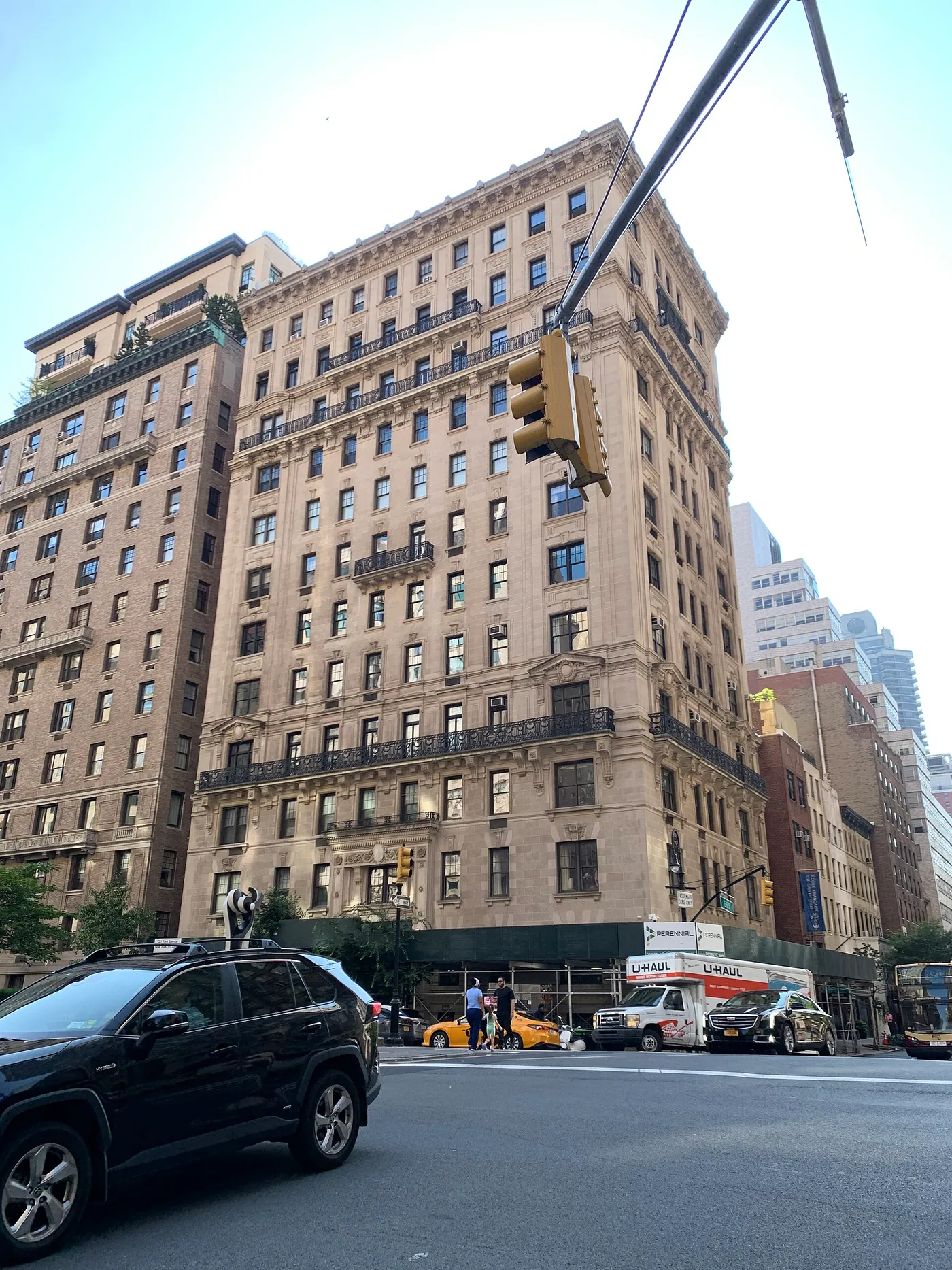

Moving to the Upper East Side: Neighborhoods, Housing and Planning Your Move
A practical guide for out-of-area and international renters and buyers planning a move to Manhattan’s Upper East Side. Compare Lenox Hill, Carnegie Hill, Yorkville and East End Avenue; understand renting, condos and co-ops; plan a remote search; and verify schools, transit, building rules and moving logistics before you sign.


What moving to the Upper East Side means at a glance
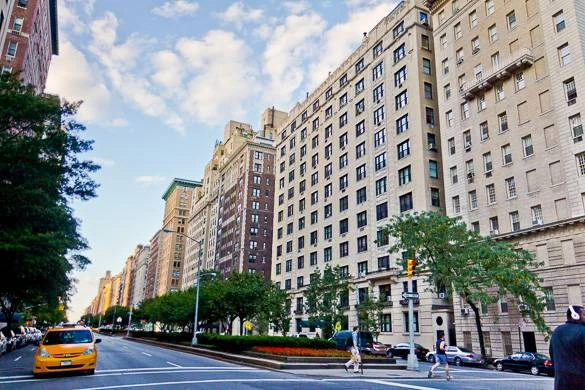
Manhattan’s Upper East Side is a residential strip between roughly East 59th and East 96th streets, from Central Park at Fifth Avenue to the East River. It is not one uniform neighborhood. A home near East 60th Street has a different daily rhythm from one near East 90th Street. The four practical search areas used in this guide are Lenox Hill, Carnegie Hill, Yorkville and East End Avenue.
People often consider the area for its direct subway lines, Central Park, medical and cultural institutions, and a large choice of apartment types. The tradeoffs are real: housing can be expensive, apartments can be smaller than suburban homes, avenues are noisy, parking is hard, and every building has its own rules. This guide shows how to compare the options before you sign a lease or contract.
Quick answers
- Start with the exact address. Use it for schools, subway entrances, parks, utilities and move rules.
- Remote search works for the first pass. Use live listings, floor plans, video and building records. Plan one focused in-person visit before signing.
- Rent, condo and co-op are different. A co-op is shares in a building, not a deeded apartment. Its board and house rules control the purchase.
- No single co-op rule applies everywhere. International and out-of-area buyers must confirm each building’s packet, financing and documentation with the managing agent and professionals.
- Map the whole trip. The best station is the one you can reach, enter and exit comfortably—not simply the one closest on a map.
How John can help
John G. Slattery is a Corcoran agent with six years in real estate and 37 sales. He can help you narrow down Upper East Side neighborhoods, compare homes and plan viewings before you arrive.
Why people consider the Upper East Side
Work is one reason. Midtown, the United Nations area and the Financial District are reachable by subway or bus, though the exact time depends on your route. The neighborhood itself also has major employers: hospitals, schools, museums, shops, restaurants and property services. NewYork-Presbyterian/Weill Cornell Medical Center is at 525 East 68th Street, and Lenox Hill Hospital is at 100 East 77th Street. Hunter College sits at 68th Street and Lexington Avenue.
Education and daily services matter too. The area has public schools, private schools, three New York Public Library branches, supermarkets, pharmacies and specialty shops. On the west edge is Central Park, which runs from East 59th to East 110th streets. On the east edge, Carl Schurz Park occupies East 84th to East 90th streets, with a river promenade, playgrounds, dog runs and Gracie Mansion.
The location is also practical for households that want to live without a car. Two subway corridors run north and south, and crosstown buses cross the neighborhood. But convenience is address-specific. An apartment beside a Q station and an apartment near the river may have the same neighborhood name and very different walk times.
The honest tradeoff
The Upper East Side can give you city services, culture, parks and transport in a compact area. It may also give you higher housing costs, less space, street noise, older building systems, elevator waits and a close look at your neighbors. Decide which of those factors you can accept before you fall in love with a floor plan.
Neighborhoods and home options
Use these four areas as search tools, not as legal boundaries. Real estate listings, residents and community groups may draw the lines differently. Some addresses fit more than one description. Sutton Place is south of the common East 59th Street boundary; Roosevelt Island is a separate island; East Harlem is north of East 96th Street. Keep those labels separate when you compare homes.
Interactive orientation map
This diagram shows relative position only. The neighborhood labels overlap and their borders are not official. The written guide below has the full details.
Lenox Hill: Roughly E59th to E77th
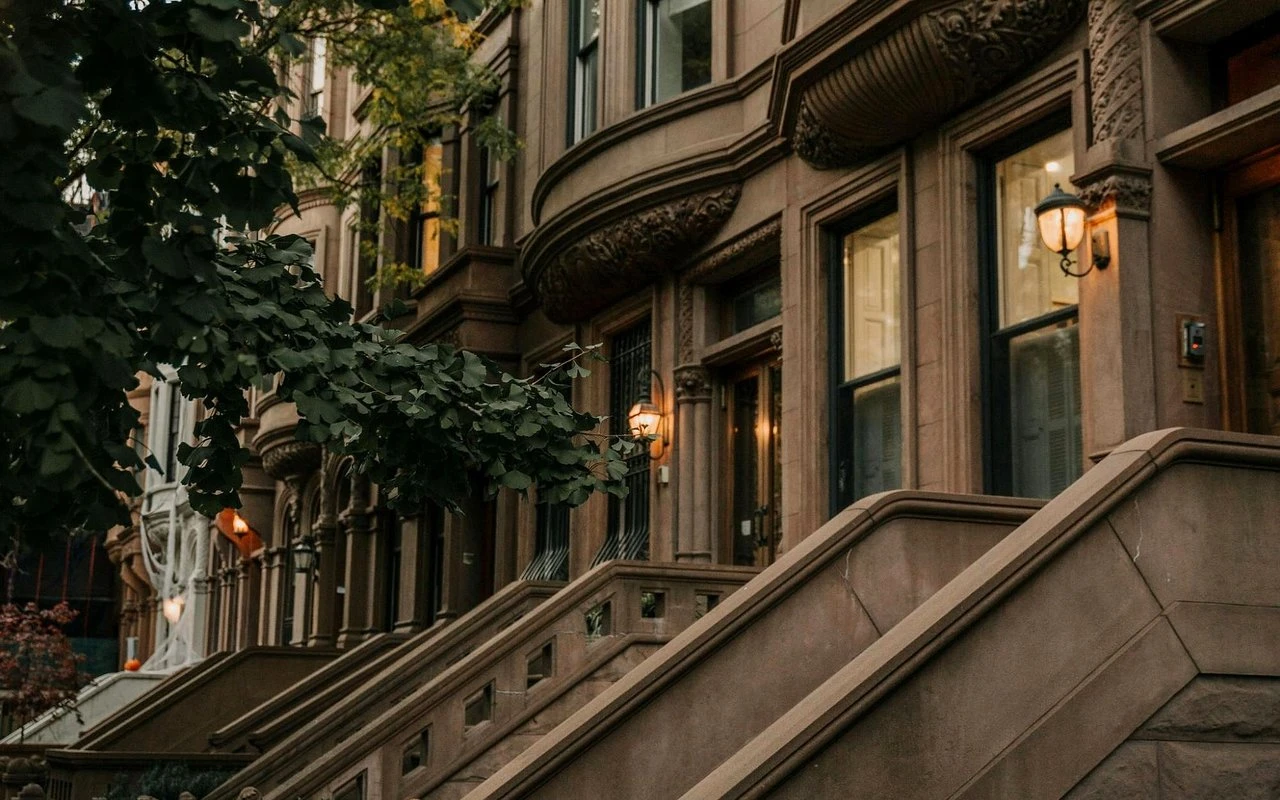
The southern part of the Upper East Side mixes tall apartment buildings, brownstones, shops and medical offices. Central Park begins at Fifth Avenue. East 65th to 69th streets feel more connected to Midtown than the blocks near East 90th Street.
Useful access: The 4/5/6 line runs under Lexington Avenue, with local stops at 68th, 77th and 86th streets. Crosstown buses link the East and West Sides.
What to check: Remote search: compare apartment exposure, school lookup and hospital routes. In person: test street noise at rush hour and at night, then walk to the station you would really use.
Lenox Hill: central access, medical offices and Central Park
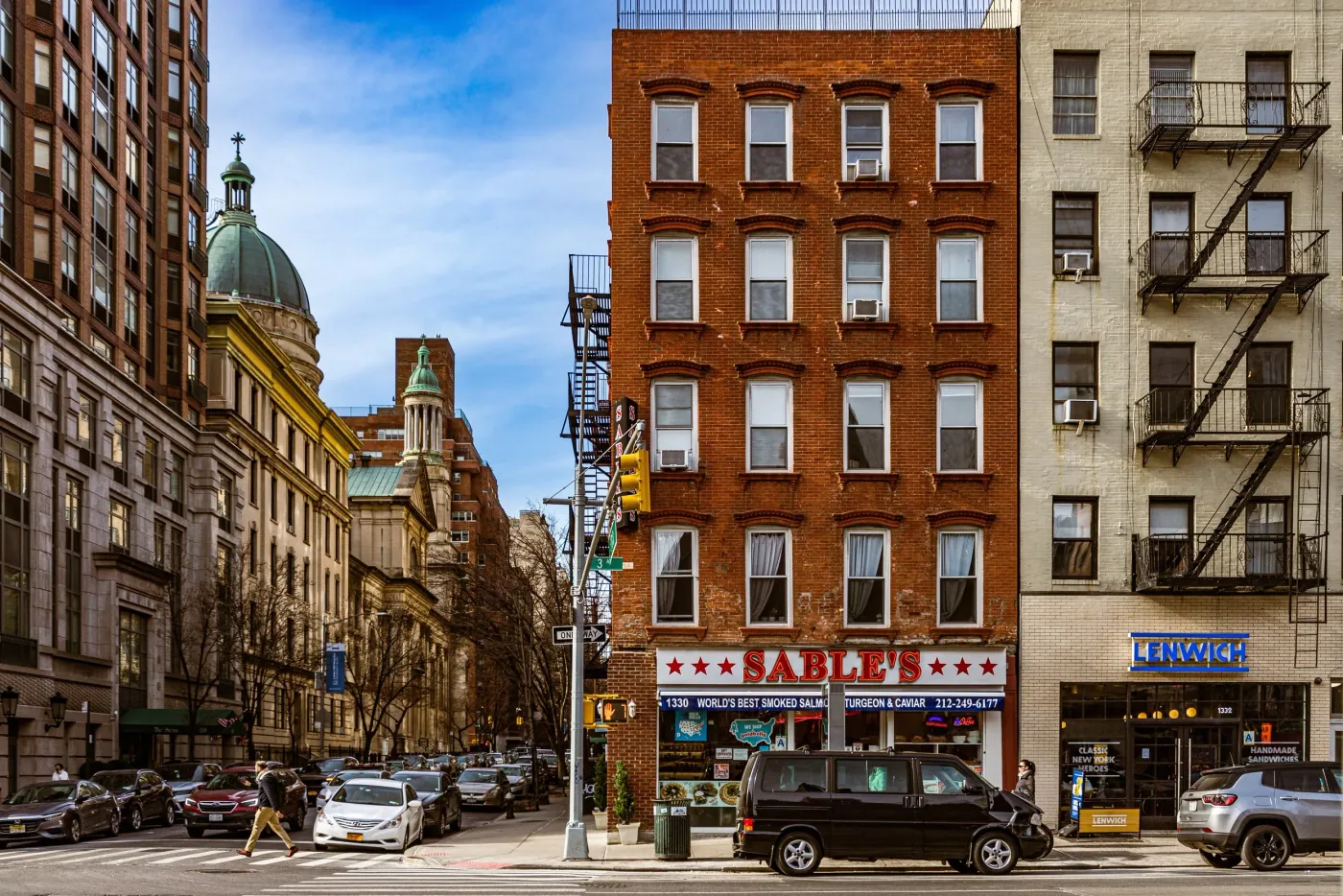
Lenox Hill covers the southern and central part of the area, commonly from about East 59th to East 77th streets between Fifth Avenue and the East River. Homes include large pre-war co-ops, newer condos, rental towers, brownstones and smaller walk-up buildings. Around Park and Lexington avenues you may find medical offices and busier sidewalks. Near Fifth Avenue, the park is close. Near First Avenue, hospital traffic can shape the day.
The local subway stops are 68th Street–Hunter College, 77th Street and 86th Street on the Lexington Avenue line. The 4/5/6 at 86th Street and the Q at Second Avenue are useful backups. Crosstown buses are often the quickest way to reach the West Side when the subway would require a transfer.
What to inspect: ask whether the apartment faces a quiet side street or an avenue. Check the distance to the station, whether the elevator serves your floor, and how hospital or school traffic changes the block. For families, use the exact address in the official school lookup; a hospital or park across the street does not decide school assignment.
Carnegie Hill: quieter blocks, museums and older buildings
Carnegie Hill is the northern residential pocket around Fifth, Madison, Park and Lexington avenues, generally near East 86th to East 96th streets. It is known for pre-war apartment buildings, museums and Central Park access. The housing can include grand co-ops, smaller co-ops, condos and rentals. East End Avenue belongs to the riverfront area, not Carnegie Hill, even though both are north of East 86th Street.
The 4/5/6 serves 86th and 96th streets; the Q serves 96th Street on Second Avenue. Central Park is west, while the East River is east. That makes the area attractive for people who want two kinds of outdoor space, but it also means a straight-line map can hide a long walk.
What to inspect: confirm building rules about renovations, elevators, air conditioners and move-ins. Older buildings can have character, but ask for the current budget, planned work and assessment history. In person, listen to the block at night and on a school morning. Quiet is not guaranteed by the neighborhood name.
Yorkville: everyday services and two subway corridors
Yorkville runs along the eastern side, commonly around East 77th to East 90th streets. It has apartment towers, older walk-ups, supermarkets, pharmacies, schools, restaurants and small shops along Second and Third avenues. The side streets can feel calmer than the avenues. Carl Schurz Park and John Jay Park are nearby on the river side.
The Q line has stops at 72nd, 86th and 96th streets on Second Avenue. The 4/5/6 has stops at 77th and 86th streets on Lexington Avenue. That choice gives many residents a useful backup, but a backup only helps if you can reach it comfortably.
What to inspect: map the walk to both lines, the grocery store and the school. Test the apartment’s exposure to Second Avenue traffic, delivery trucks and the FDR Drive approach. Check whether the building has a doorman, package room or elevator and how those services work after hours.
East End Avenue: riverfront calm with a longer subway walk
East End Avenue is a short north–south street near the river, roughly from East 79th to East 90th streets. Carl Schurz Park runs from East 84th to East 90th streets and includes a promenade, playgrounds, dog runs and Gracie Mansion. Housing here is mostly apartment buildings and co-ops, with a more residential feel than the avenues.
The tradeoff is the route to a train. The nearest subway depends on the exact address. Many trips begin with a walk to Second Avenue or Lexington Avenue, or use a crosstown bus first. That is workable for some people and tiring for others.
What to inspect: walk the exact door-to-station route. Check the park during construction or bad weather, and check noise from the FDR Drive. Ask whether the building has direct park access or simply a short walk to it.
| Area | Housing and daily life | Main access | Main compromise |
|---|---|---|---|
| Lenox Hill Roughly E59–E77 | Large and small apartments, brownstones, medical offices, shops and Central Park access. | 4/5/6 at 68th, 77th and 86th; crosstown buses. | Avenue noise, hospital traffic and different walk times by block. |
| Carnegie Hill Roughly E86–E96 west | Pre-war buildings, museums, quieter residential blocks and park access. | 4/5/6 at 86th and 96th; Q at 96th. | Building age and maintenance questions; farther from the river. |
| Yorkville Roughly E77–E90 east | Everyday shops, apartments, schools, parks and two subway corridors. | Q at 72nd, 86th and 96th; 4/5/6 at 77th and 86th. | Avenue noise and a different experience from block to block. |
| East End Avenue Roughly E79–E90 | Riverfront residential streets, Carl Schurz Park and a quieter scale. | Walking to subway or crosstown bus, depending on address. | Longer subway walk and possible FDR Drive noise. |
Buying, renting and the practical housing search
The first decision is simple: rent, buy a condominium, or buy a cooperative apartment. They are not three versions of the same deal. They change who owns what, how approval works, what you pay each month and which rules you must follow.
| Question | Rent | Condo purchase | Co-op purchase |
|---|---|---|---|
| What do you get? | A right to live in the home for the lease term, under the lease and housing law. | Deeded ownership of the apartment under the condominium’s governing documents. | Shares in a corporation plus a proprietary lease allowing use of one apartment. |
| Who reviews you? | The owner or landlord checks the application and signs the lease. | The board or sponsor may have review or first-refusal rights; the condo documents control. | The co-op board reviews the application and interviews; its rules and the proprietary lease control. |
| Monthly costs | Rent, utilities, renter insurance and services not included in the lease. | Mortgage, property tax, common charges, insurance and utilities. | Mortgage, maintenance, insurance and utilities. Maintenance often includes building expenses; read the budget. |
| Upfront money | Application costs, deposit and first-month rent, plus moving costs. | Down payment, closing costs, legal fees and reserves required by your lender. | Down payment, board-required reserves, legal fees and closing costs. |
| Can you rent it out? | You are the resident under the lease; subletting is governed by the lease and law. | Condo rules and applicable law govern renting and use. | Co-op house rules and board policy govern sublets, pieds-à-terre and occupancy. |
| Best remote-search question | What lease terms, deposits, repairs, utilities and rent rules apply? | What do the declaration, bylaws, budget, taxes and board rights say? | What do the proprietary lease, house rules, board package and financial tests say for this building? |
How to search well when you are far away
Start with a live source of truth. Ask for the current listing page, not only a saved PDF. Confirm the unit number, floor, exposure, room dimensions, taxes or maintenance, common charges, lease dates and availability. A floor plan helps you understand shape and size, but it does not show noise, light, smell or the condition of the windows.
Ask for a verified video walkthrough that travels the complete path: street entrance, lobby, elevator or stairs, hallway, apartment rooms, bathrooms, kitchen, storage and any shared space. Ask the person recording to open windows and run water. If possible, have a second video at a different time of day. For a purchase, ask for the current offering plan and amendments where applicable, financials, budget, board minutes, assessments, violations, house rules, move-in rules and the application packet.
For a co-op, the board is not a generic hurdle. It is the building’s approval process. Ask what documents the managing agent wants now, what financial information the board considers, whether an interview is required, how long the process usually takes for that building, and what happens if the board declines. Do not assume a rule from one building applies to another.
For international or out-of-area buyers, ask the managing agent to list every document and process the building requires. The answer may involve identification, proof of funds, financing, a New York attorney, notarization, translation or other steps, but the exact requirements are building- and purchaser-specific. Use a New York real estate attorney for the contract and a qualified tax adviser for cross-border or cross-state questions. This article cannot replace that advice.
What must still be checked in person or by a trusted inspector: street noise at different times, actual light and view, elevator condition and wait, lobby access, dampness or odors, window operation, neighbor noise where possible, and the real walk to transit. A licensed inspector can test property condition where allowed. A video cannot test how a block feels at 7 a.m. or whether a narrow loading area will work on moving day.
A practical remote-to-in-person sequence
- Remote short list: compare addresses, floor plans, costs, school lookup, transit and building documents.
- Remote deep check: review the full lease or purchase packet with your representative and attorney.
- Focused visit: tour the short list, walk the routes, test noise and meet the building where possible.
- Before signing: confirm the written facts, financing, documentation, move-in rules and inspection rights.
- After signing: keep the documents, schedule utilities and reserve the move-in time.
If you’re searching from out of town, John can help you compare homes and identify what to check in person before deciding.
The full financial picture
Do not judge a home by rent or sticker price alone. A move is a budget with several layers. The numbers below are the categories to check. They are not a promise of a price, a saving or a monthly payment.
| Category | Renters | Buyers |
|---|---|---|
| Housing payment | Rent, required fees and any tenant-paid utilities. | Mortgage or cash purchase, plus the payment due at closing. |
| Monthly ownership costs | Renter insurance and services not included in the lease. | Maintenance or common charges, property tax where applicable, insurance and utilities. |
| Upfront cash | Deposit, first rent, moving, packing and immediate repairs or setup. | Down payment, closing costs, legal fees, inspection, reserves and moving. |
| Changeable costs | Utilities, internet, laundry, parking and rent rules. | Assessments, building projects, tax changes, insurance and utility changes. |
| Protection | Read the lease. For rent-stabilized units, check official rules before accepting an insurance requirement. | Confirm owner, lender and building insurance requirements and who pays each bill. |
A co-op’s monthly maintenance can cover building expenses and, depending on the building’s budget, some real-estate taxes or services. A condo’s common charges and property taxes may be separate. Neither statement is a universal cost rule. Read the current budget, financial statements, tax bill and any planned assessment before you make an offer.
If you move across a state line or bring funds from another country, tax and ownership questions can become more complex. A generic online calculator cannot know your income, residency, financing, estate plan or the building’s structure. Ask a New York attorney and a qualified tax adviser what applies to your situation. Do not choose a home because a calculator promised savings that you have not verified.
For a rental, review the lease for deposit rules, renewal timing, utilities and insurance. New York’s tenant-rights resources explain general protections, and the state’s HCR site explains rent-stabilized leases, renewal notices and deposits. Use those pages to learn the rules that may apply, then read your own lease and ask a housing professional about the exact unit.
Jobs, education, healthcare and everyday needs
The Upper East Side’s job base includes healthcare, education, museums, retail, hospitality, property services, finance and professional offices. Commuters may travel to Midtown, the United Nations area, downtown or other boroughs. Keep your route flexible: one subway entrance may be easier than another, and a crosstown bus may save a transfer even if the map looks longer.
Schools: use the exact address
The official NYC DOE district map lists the Upper East Side in Manhattan District 2, but district membership is not a school assignment. Use Find a School with the exact address for the current zoned school and contact information. Elementary placement, middle-school applications and high-school applications work differently. Private schools use separate admissions processes. For member independent schools in and around New York City, ISAAGNY publishes a family application guide; confirm each school’s own steps and dates.
For the 2027–28 school year, the official MySchools timeline checked on November 7, 2026 listed these dates: high-school applications close December 4, 2026; middle-school applications close December 11, 2026; and kindergarten applications open December 9, 2026. These dates are subject to change. Recheck the official MySchools calendar before you rely on them.
A school near an apartment is not proof that a child will be assigned there. Capacity, zones and application rules can change. If school is a priority, look up the exact address early, contact the school or DOE for current information, and make a backup plan.
Healthcare
Lenox Hill Hospital at 100 East 77th Street and NewYork-Presbyterian/Weill Cornell Medical Center at 525 East 68th Street are major nearby institutions. Check which providers your insurance covers, how you would reach the right campus, and whether the facility’s services fit your needs. Living near a hospital does not guarantee a particular doctor, appointment or insurance outcome.
Parks, libraries, culture and errands
Central Park is the large western green space. Carl Schurz Park is the riverfront park from East 84th to East 90th streets. John Jay Park sits around East 76th to East 78th streets near the FDR Drive, with courts, playgrounds and a seasonal outdoor pool. The East River Esplanade is a waterfront park group; construction or maintenance can change access, so check current conditions before you plan a route.
The New York Public Library has neighborhood branches at Yorkville, 222 East 79th Street, Webster, 1465 York Avenue and 67th Street, 328 East 67th Street. Hours and access rules can change, so use the location page before you visit. Cultural anchors include the Metropolitan Museum of Art, the Guggenheim, the Frick, Cooper Hewitt and the Museum of the City of New York.
Groceries and daily errands vary by avenue and block. Before you choose a home, walk the route to a supermarket, pharmacy, bank, dry cleaner and laundromat if you use one. Save the building’s trash, recycling and compost schedule. Use the official DSNY resident collection page for city rules and NYC 311 for service questions.
Getting around
The two useful subway corridors are the Lexington Avenue line and the Second Avenue Q. The official MTA 6-line page, checked March 23, 2026, lists 59th Street, 68th Street–Hunter College, 77th Street, 86th Street and 96th Street in this part of Manhattan. The 4/5/6 share Lexington Avenue; the 6 is the local service at most of these stops. The official MTA Q-line page, checked February 26, 2026, lists Second Avenue stations at 72nd, 86th and 96th streets, plus Lexington Avenue–63rd Street.
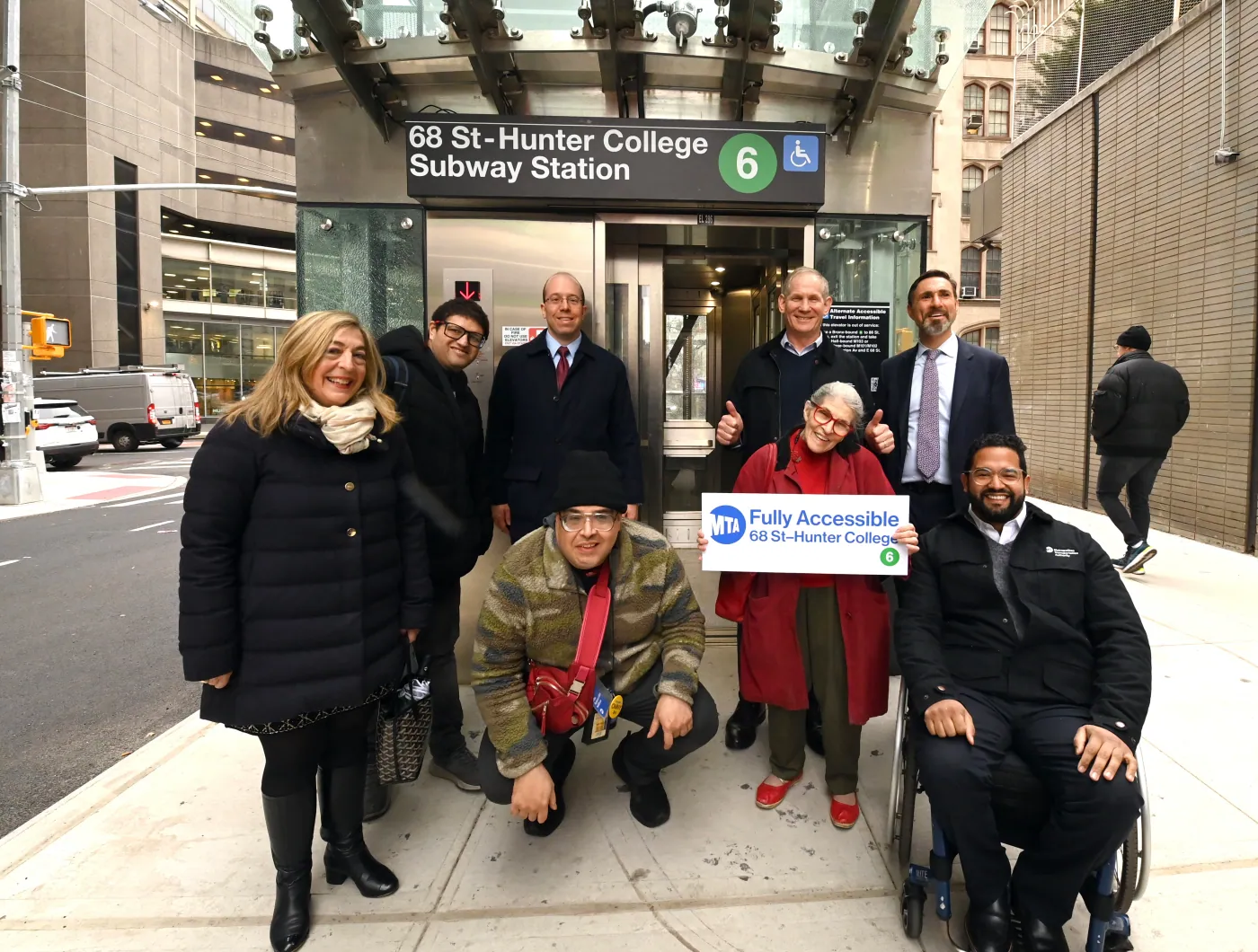
Accessibility changes by station and over time. The MTA’s accessible-stations list and live elevator information should be checked for your route. Do not assume every entrance, platform or transfer is accessible because it appears on a line map.
| Corridor | Useful stations | Best question |
|---|---|---|
| Lexington Avenue: 4/5/6 | 68th St–Hunter College, 77th St, 86th St, 96th St; 59th St for transfers. | Can I reach the local or express train I need without a difficult transfer? |
| Second Avenue: Q | 72nd St, 86th St, 96th St; Lexington Av/63rd St for an out-of-system transfer. | Is the walk to the entrance shorter and safer at my actual address? |
| Crosstown buses and walking | Routes and stops depend on the exact block and current MTA map. | When is a bus or walk better than changing trains? |
Door-to-door commute check
Lexington Avenue line: 4 / 5 / 6
Stations to compare: 68th St–Hunter College · 77th St · 86th St (4/5/6) · 96th St
Why it may fit: Best when your home, school or office is near the west or middle of the neighborhood and you want one north–south trunk line.
What to test: Check which direction you need, whether the train is local or express, and whether you can make the transfer without stairs. The 68th Street station became fully accessible in December 2024.
Your real commute is:
home to entrance + wait + ride + any transfer + exit + destination walk
Do the calculation with your own address and the official MTA schedule. Train time alone is not a promise of door-to-door time.
Door-to-door time includes walking to the entrance, waiting, riding, transferring, exiting the station and walking to the destination. It can change with weekday service, weekends, late-night work, crowding and elevator outages. Test the route at the time you expect to use it. Keep a second route in mind.
A car is optional for many residents, but it brings parking cost, street-parking rules and garage decisions. If you keep a vehicle, confirm where it will live, how you will reach it, and whether a building has a garage or restricted truck access. For a move, a truck needs a legal loading plan; a personal car does not solve that problem.
Plan the move itself
A New York move often depends on building rules as much as on the moving company. Ask for the current written move-in packet before you confirm a date. A tower with a large elevator and a walk-up with stairs need different plans. A townhouse or a building with a narrow loading area needs a different truck plan.
Questions to ask building management
- What dates and hours can the move use? Is there a reservation or a building fee?
- Which elevator, service entrance and loading area must we use?
- What must the mover’s certificate of insurance (COI) say, and who must be listed?
- Is a security deposit, protection plan, floor covering or elevator inspection required?
- Can the truck park or unload at the address? What are the street and permitting rules?
- Who receives deliveries, keys, fobs and packages, and what happens after hours?
A certificate of insurance, often called a COI, is proof that an insurance policy exists and shows the parties and limits the building requires. It is not the same as buying moving insurance for your belongings. Send the exact names, dates and limits requested by the building; a nearly correct COI can still be rejected.
For utilities, Con Edison’s service page explains starting, moving or stopping electric and gas service. It asks for the address, move date and identification, and its online move date must be within 30 days when using that process. Confirm who pays water and sewer under your lease or closing documents. Ask the building or a local provider for internet availability at the exact address.
Save the building’s trash, recycling and compost rules, and use the official DSNY resident collection page for general city details; confirm whether the building uses city or private collection. Send address changes to the postal service, bank, payroll, insurance, voter registration if applicable, schools, healthcare providers and subscriptions. For mail, the USPS movers guide is the official change-of-address resource.
Questions for movers should cover inventory, packing materials, insurance, stairs, elevator time, travel time, cancellation, arrival window and who signs at delivery. Ask for the quote in writing and explain the exact building access. A low quote that omits elevator time or stairs is not a useful comparison.
A workable moving checklist
Use this list in order. Some steps depend on a lease, contract or building deadline. The dates in this guide are planning guidance unless an official source or your own documents set a real deadline.
Interactive moving checklist
Check items as you go. Every step stays visible here.
0 of 27 complete
Timing here is guidance. A lease, contract, building notice or official deadline may set a real date.
FAQs and your next step
How much does it cost to move to the Upper East Side?
There is no reliable single number. Rent depends on the exact block, size, condition, floor, lease term and building. A purchase adds a down payment, legal and closing costs, a mortgage, taxes and ongoing building charges. Moving costs depend on volume, stairs, elevator rules, distance and timing. Build the budget from a specific property and a written quote, not a neighborhood average.
Which neighborhood should a first-time visitor choose?
Start with use, not a label. If you want Central Park and a shorter Midtown commute, look around Lenox Hill. If you want a quieter residential stretch and museums, look at Carnegie Hill. If you want everyday shops and a Second Avenue train, compare Yorkville. If a riverfront walk matters most, compare East End Avenue, but map the longer subway walk. Visit several blocks at different times before deciding.
Can I complete the whole search remotely?
You can do much of the early work remotely: check listings, floor plans, video, building documents, school lookup, transit routes and parks. You still need a trusted local representative and, for most people, an in-person visit. Video cannot fully confirm street noise, elevator condition, light, smells, neighbor noise or the feel of a block at night. A licensed inspector can verify some property conditions, but not every neighborhood choice.
Will a co-op board reject an international or out-of-area buyer?
No one can answer that as a universal rule. Each building sets its own application process, financial tests, interview expectations, house rules and documentation. A sponsor sale may also have different rules. Ask the managing agent for the current packet, have your New York attorney review it, and get tax and immigration-related advice from qualified professionals who know your facts.
How do I check whether a public school is assigned to an address?
Use the official NYC DOE Find a School tool with the exact street address. Do not rely on a neighborhood name, a nearby school or a listing description. Elementary schools use zone rules, while middle and high schools use separate applications. Private schools use their own admissions processes. The ISAAGNY family guide explains the coordinated process used by its member independent schools, but each school still sets its own requirements. Plans can change, so check the official address result close to application time.
Which train should I use?
The Lexington Avenue line is the 4, 5 and 6, with local 6 stops at 68th, 77th, 86th and 96th streets in this area. The Q line serves Second Avenue at 72nd, 86th and 96th streets. Use the official MTA line page to confirm service changes and the accessible-stations list for elevator status.
Do I need a car?
Many residents do not. A car adds parking cost, street-parking rules, garages and maintenance to the decision. Keep one only if your work, family, health or regular travel makes the benefit worth it. Test the actual transit and walking routes before assuming a car is necessary.
What building rules should I ask about before moving?
Ask about move-in hours, elevator reservation, loading and parking, deposits, fees, insurance certificates, construction, pets, subletting, renovations, air conditioners, delivery storage, trash, recycling and compost, and who to call after hours. Rules vary by building, so get the current written documents.
Talk through your actual move
Bring your target streets, move date, budget, housing type and non-negotiables. John G. Slattery can help you compare real Upper East Side homes, ask building-specific questions and plan a visit around the routes that matter to you. Contact John about your Upper East Side move.
Sources and what to recheck
These sources were checked for this guide on November 7, 2026. Websites, hours, service, school dates, building rules and construction can change. Use the official page for the most current answer.
- MTA: Lexington Avenue 6-line map
- MTA: Second Avenue Q-line map
- MTA: accessible stations and elevator status
- MTA: 68th Street–Hunter College accessibility announcement
- NYC DOE: Find a School address lookup
- NYC DOE: MySchools applications and timeline
- NYC DOE: district map
- ISAAGNY: private independent-school application process
- NYC: tenant rights
- NYC: rent stabilization
- NYS HCR: rent-stabilized leases and renewal
- New York State Attorney General: before you buy a co-op or condo
- Con Edison: start, move or stop service
- NYC Parks: Central Park
- NYC Parks: Carl Schurz Park
- NYC Parks: John Jay Park and Pool
- NYC Parks: East River Esplanade
- NYPL: Yorkville branch
- NYPL: Webster branch
- NYPL: 67th Street branch
- Lenox Hill Hospital: about the hospital
- NewYork-Presbyterian: Weill Cornell campus
- Weill Cornell Medicine: maps and directions
- NYC 311
- USPS movers guide
- NYC DSNY: resident collection and recycling rules
This guide is general information, not legal, tax, school-placement or financial advice. Confirm the facts for the exact property, lease, building and household.