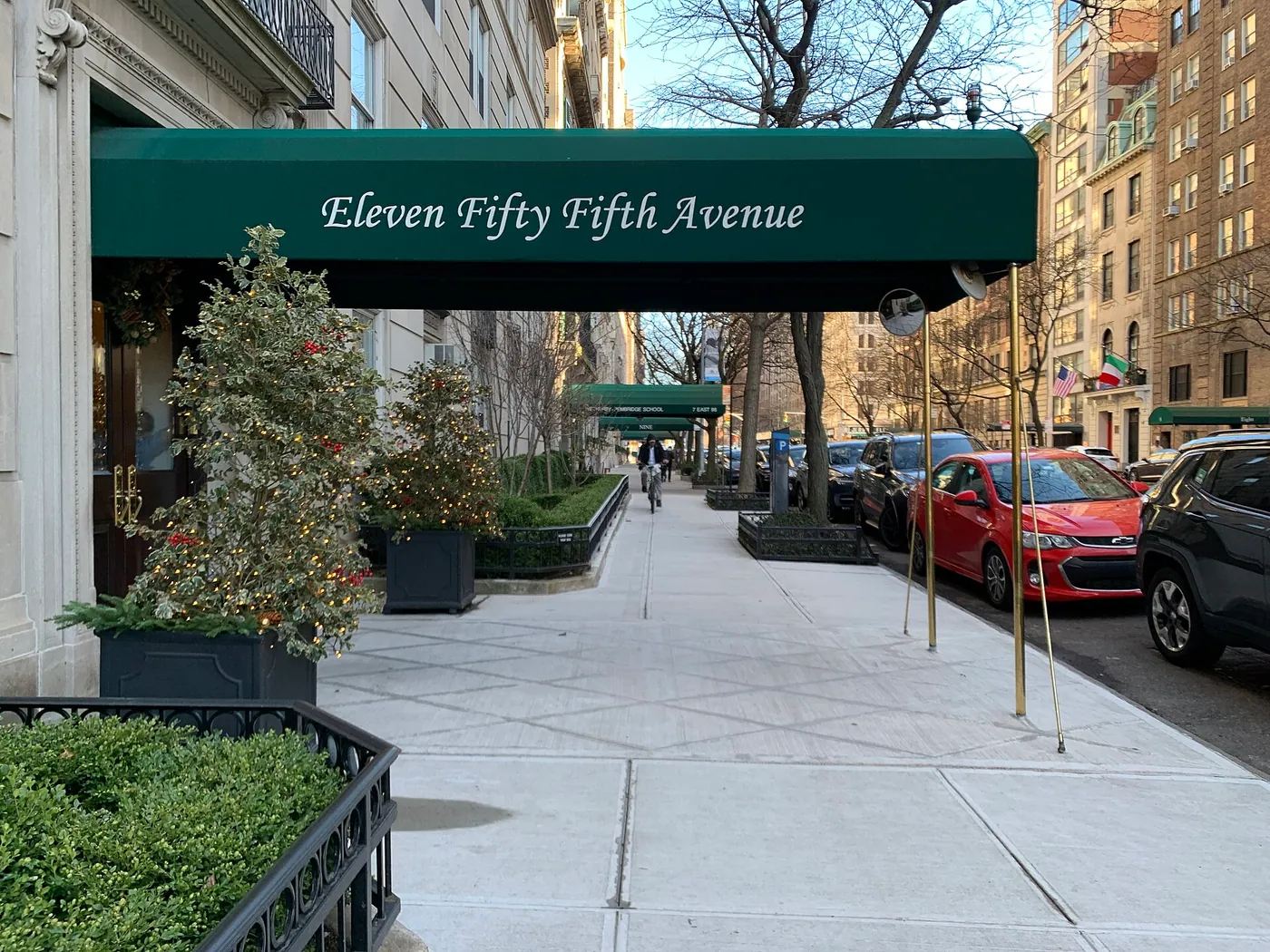

A source-cited guide to Carnegie Hill on Manhattan’s Upper East Side, covering its informal boundaries, historic architecture, housing mix, schools, parks, transit, cultural institutions, and the practical questions buyers and sellers should ask.
Carnegie Hill is a historic neighborhood on Manhattan's Upper East Side. In everyday use, it is commonly described as running from East 86th Street to East 98th Street, from Fifth Avenue toward just west of Third Avenue. Those edges are informal. They help people talk about the area, but they are not legal boundaries and they do not replace a property-specific school, zoning, or landmark check.
How John can help
John G. Slattery is a Corcoran agent with six years in real estate and 37 sales. He helps Upper East Side buyers and sellers compare buildings and prepare for the decisions that come with a move.
Where Carnegie Hill is
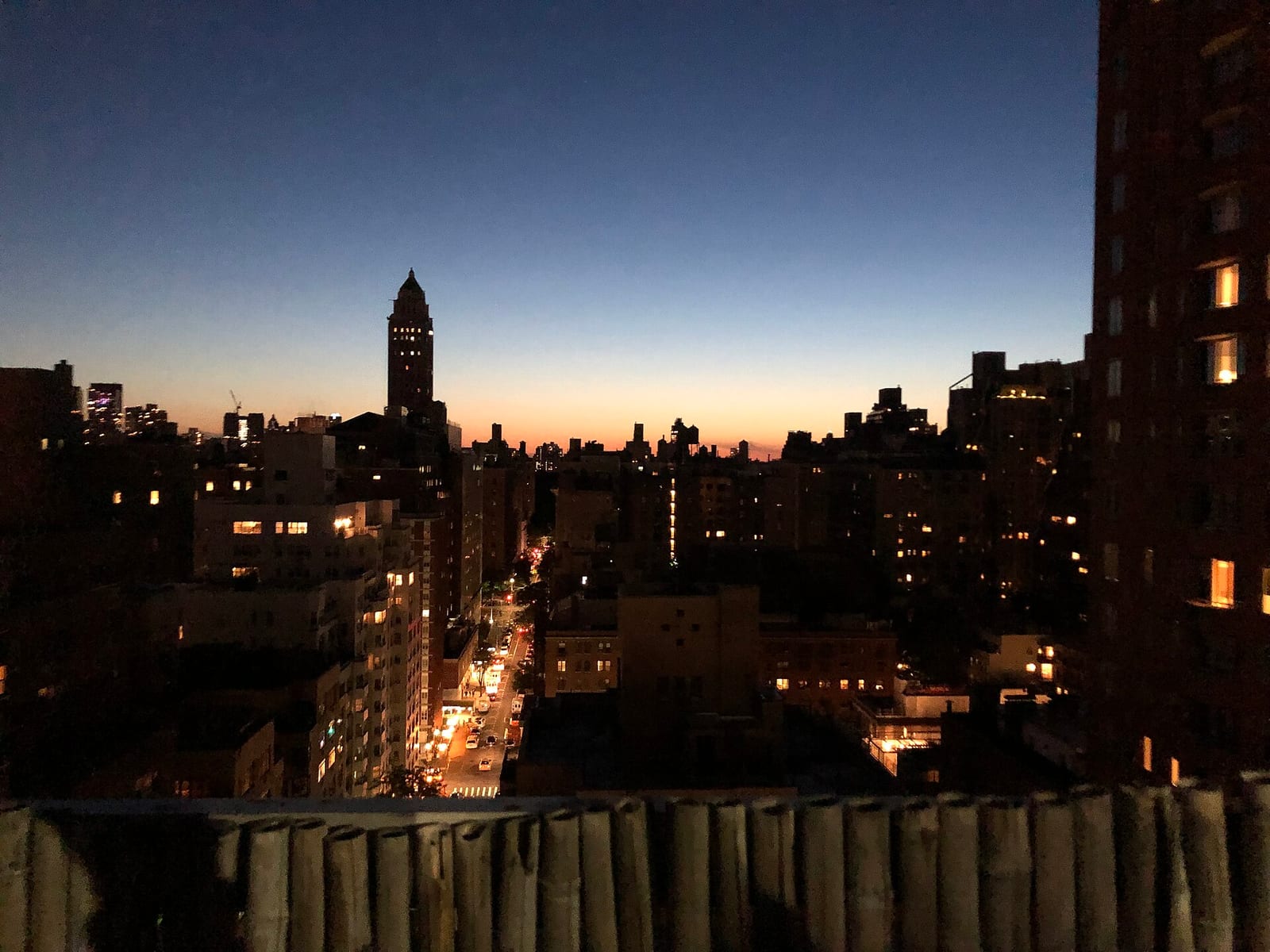
Carnegie Hill sits inside the Upper East Side, with Central Park along its western edge. Fifth Avenue is the practical western reference. Moving east, the area generally reaches toward Madison Avenue, Park Avenue, Lexington Avenue, and then stops short of Third Avenue. The exact shape changes block by block, which is why maps and address checks matter.
The commonly used boundaries come from local context rather than a single city zoning rule. Carnegie Hill Neighbors describes the area as East 86th to East 98th Streets, from Fifth Avenue to just west of Third Avenue. The Landmarks Preservation Commission map is the better tool for checking whether a particular property is inside the Carnegie Hill Historic District.
nearby
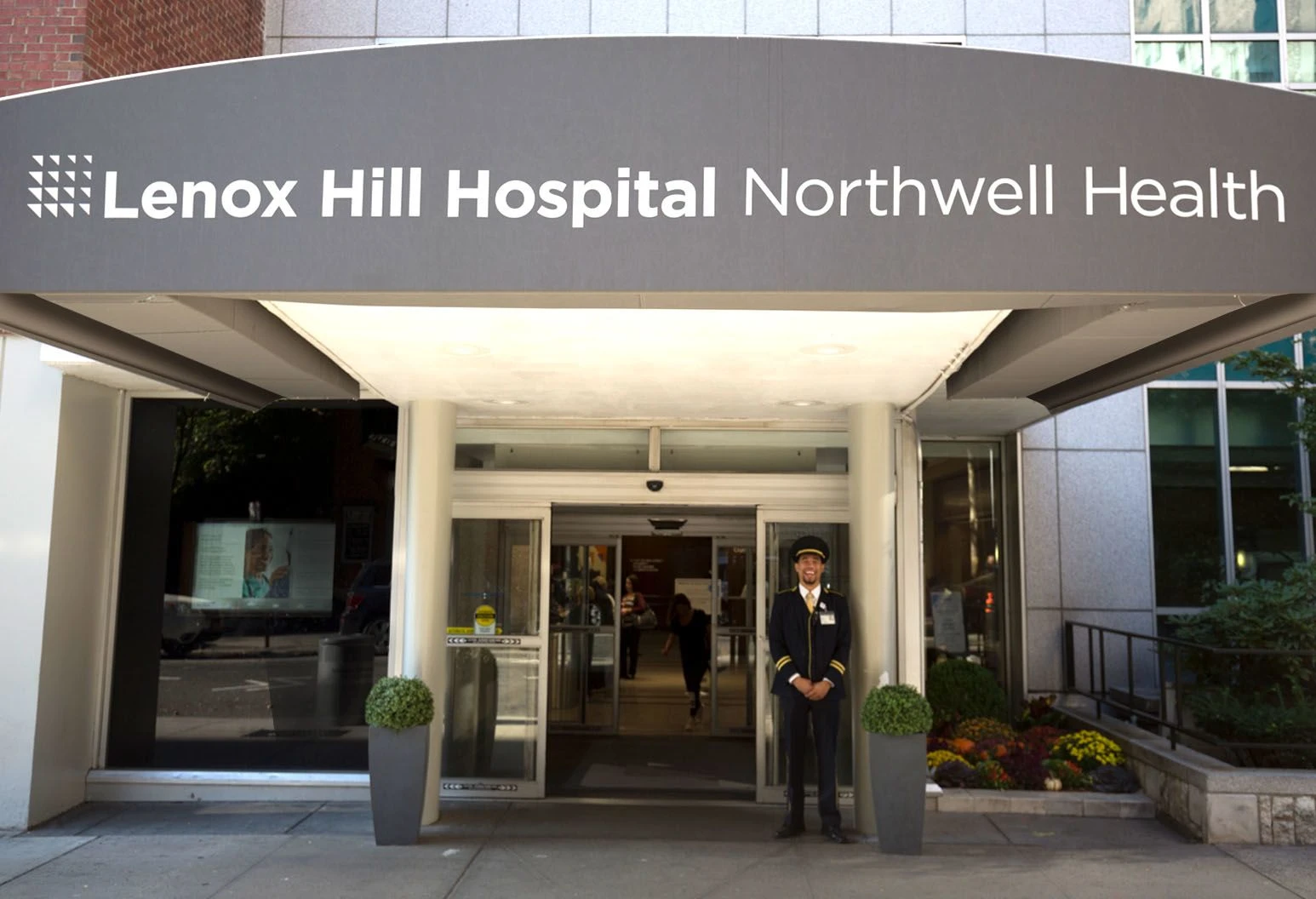
Nearby destinations are labeled separately: Lenox Hill Hospital is south of the usual Carnegie Hill edge, and Yorkville Library is also below the common boundary. Do not treat either as being inside Carnegie Hill.
What makes Carnegie Hill different
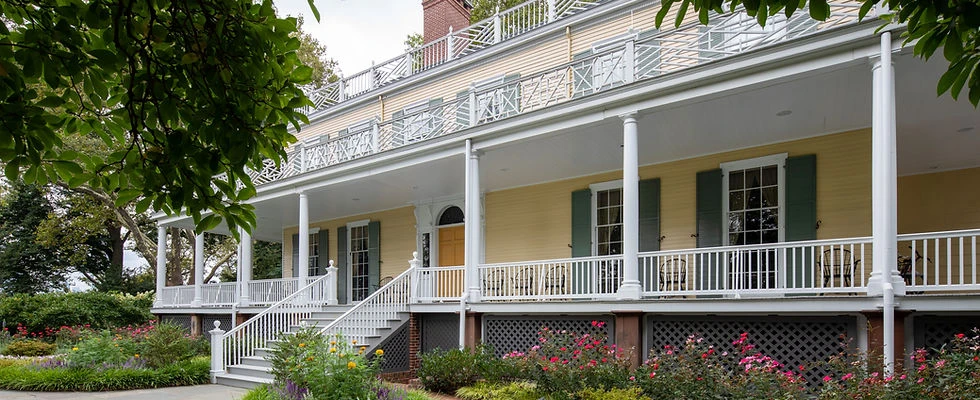
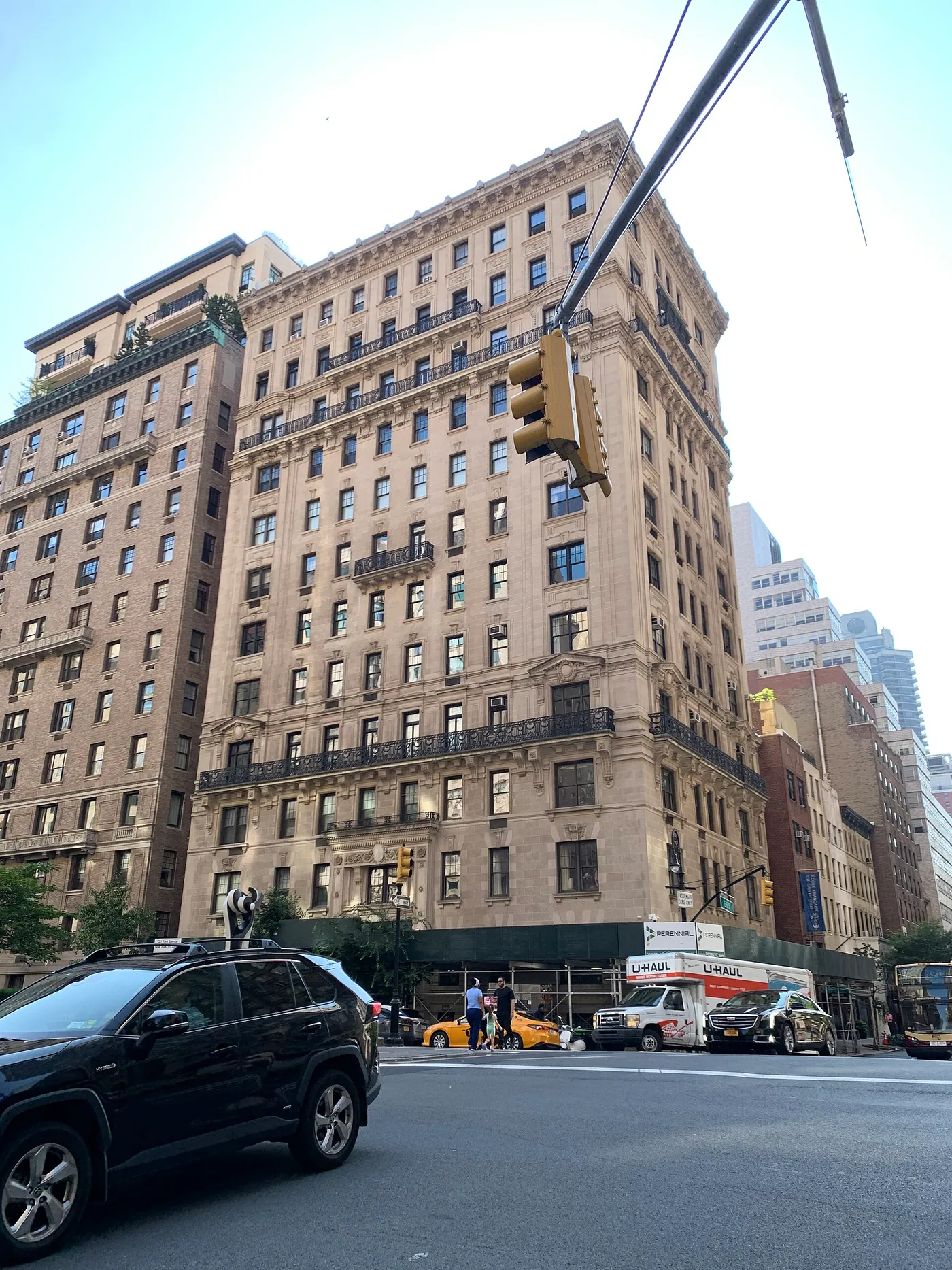
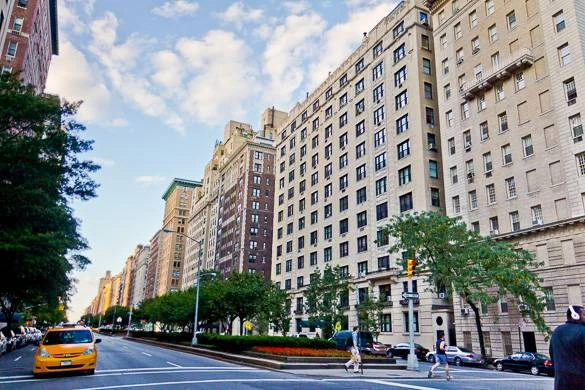
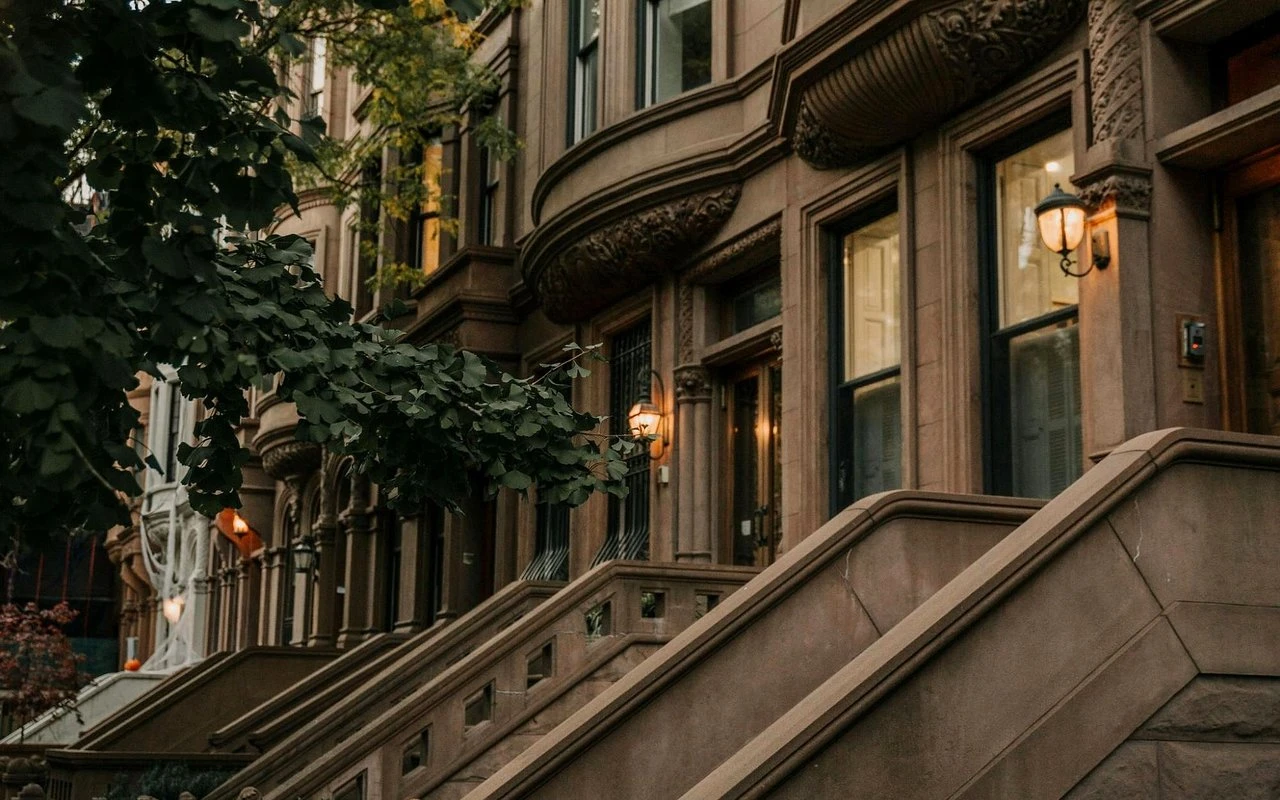
Walk one block from an avenue and the scale can change quickly. Avenues carry larger apartment buildings, buses, traffic, and more visible neighborhood activity. Side streets can feel more residential, with stoops, masonry fronts, trees, and a repeated rhythm of doors and windows. The result is not one uniform product. It is a layered neighborhood where a quiet cross street, a grand avenue building, and a converted townhouse can sit close together.
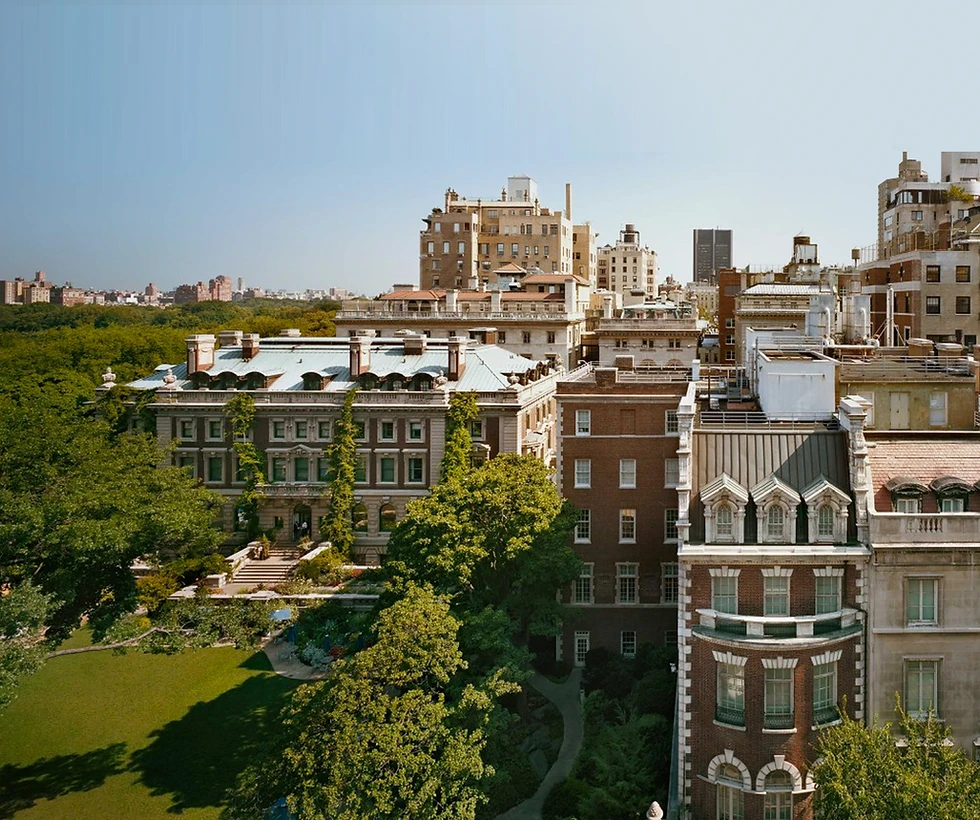
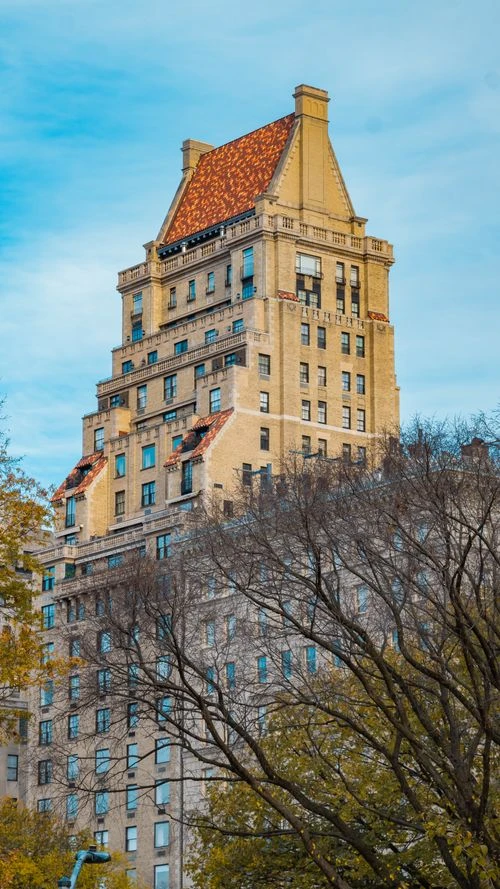
The architecture is one of the clearest clues to the area. The LPC designation report describes row houses, mansions, flats, and apartment buildings in styles ranging from Romanesque Revival and Queen Anne to Neo-Renaissance and Neo-Federal. Later apartment buildings added height and a different kind of luxury. A buyer should read the block as a whole: the street wall, the light between buildings, the amount of through-traffic, and the way the building meets the sidewalk all matter.
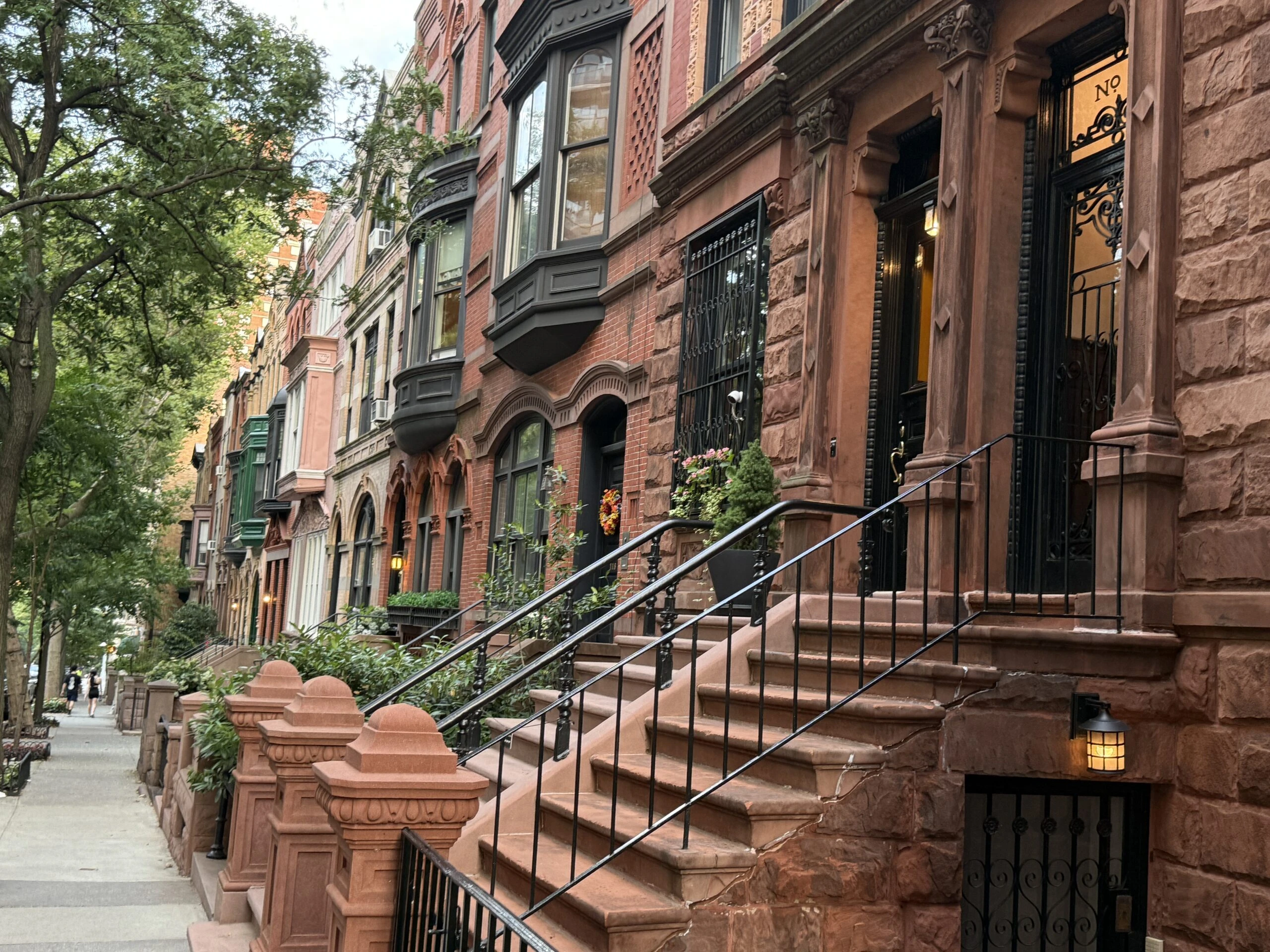
The everyday center is less about one commercial strip and more about a collection of useful blocks. Residents can combine a walk in Central Park, a museum visit, a train trip, a grocery run, and a library stop without needing a car. That convenience is real, but it comes with a tradeoff: avenue streets are busier, and a home's exact exposure can be more important than the neighborhood name.
How Carnegie Hill developed
The LPC's Andrew Carnegie Mansion report says the area began to develop in the early 1880s as New York expanded north and as the Third Avenue elevated rail line reached the area. Speculative builders put up brownstone houses for middle-class residents. The most famous change came at the turn of the century: Andrew Carnegie built a large mansion at 2 East 91st Street, completed in the early 1900s. The report says the area became known as Carnegie Hill soon after the mansion appeared.
That move encouraged more high-quality residential construction. Larger homes, elegant townhouses, and apartment buildings followed. The Carnegie mansion later transferred to the Smithsonian, and the house became the home of Cooper Hewitt, Smithsonian Design Museum. Read the full LPC landmark report for the detailed history.
The historic district is a legal preservation tool. It protects the character of covered buildings by regulating many exterior changes. The neighborhood boundary is a looser planning and social description. A property can be in Carnegie Hill but outside the historic district, or it can sit inside an irregular district edge that does not match the phrase people use in conversation. The 1974 LPC designation report and official map explain the distinction.
Homes and meaningful smaller areas
Carnegie Hill does not have one dominant housing product. The side streets often hold townhouses and brownstones. The avenues hold prewar apartment houses, condominiums, and newer buildings. Some houses have been converted or combined, while some apartment buildings have been altered over time. The right question is not simply “co-op or house?” It is what the building, block, floor, and ownership documents actually require.
| Home type | Typical setting | Ownership | Questions to ask |
|---|---|---|---|
| Prewar co-op | Fifth, Madison, Park, and side-street apartment houses | You buy shares in a corporation that owns the building. Often has established house rules, staff, and a clear community structure. | Board approval, financial package, maintenance, reserves, sublet rules, alteration history, light, floor plan, and elevator access. |
| Townhouse or brownstone | Side streets and some avenue blocks | You own the house and land, subject to zoning, tax, and possibly landmark rules. More direct control over layout and outdoor or lower-level space when available. | Roof, facade, basement, systems, stairs, insurance, access, rights, and LPC approval for exterior work. |
| Condominium | Newer, converted, or mixed-use buildings | You own the unit while sharing responsibility for common property through an association. Generally simpler ownership rules than a co-op, though the association still sets requirements. | Common charges, reserves, capital plans, alteration rules, insurance, storage, and financing. |
| Newer or mixed-use avenue building | Along major avenues and near transit | The building may be a condo or co-op with more modern systems and a different street pattern. Often has newer elevators, mechanical systems, and more straightforward layouts. | Street noise, light exposure, service charges, construction history, amenities, and how the building handles future work. |
Co-op, condo, or house
A co-op is a share in a corporation. You do not own the apartment in the same way you own a house; you own shares that give you the right to occupy the unit. Boards commonly review financial documents, references, and interviews, and house rules can cover guests, sublets, pets, moves, and alterations. The Council of New York Cooperatives & Condominiums describes this general process.
A condo is ownership of a unit with shared responsibility for common property through an association. Common charges, reserve funding, insurance, and alteration rules still matter, but the board-approval process is usually different from a co-op. A house gives you more direct control, but you also carry more responsibility for the roof, facade, systems, access, insurance, and any work that touches a protected exterior.
Light, layout, and noise deserve a separate visit. Stand at the window in the morning and late afternoon. Listen for buses, deliveries, schools, and street traffic. Check how the floor plan works with furniture and daily routines. A beautiful room with a difficult circulation pattern may not be the right room.
Everyday life in Carnegie Hill
Parks and outdoor space
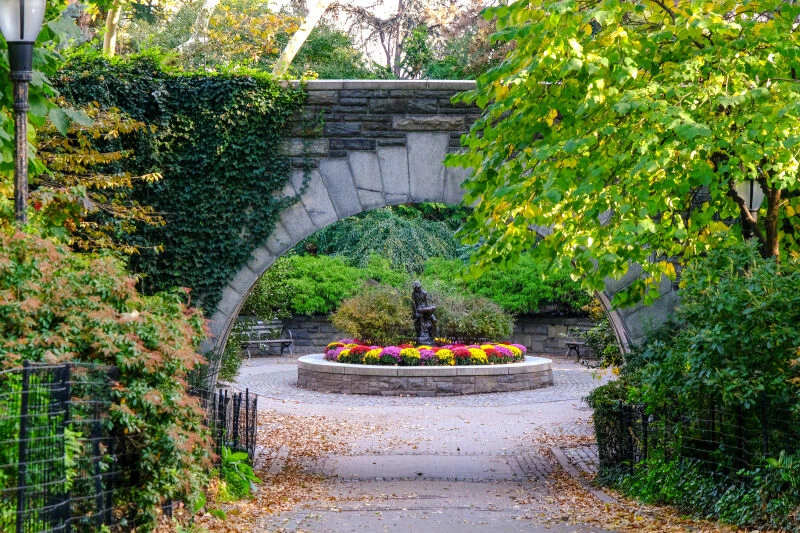
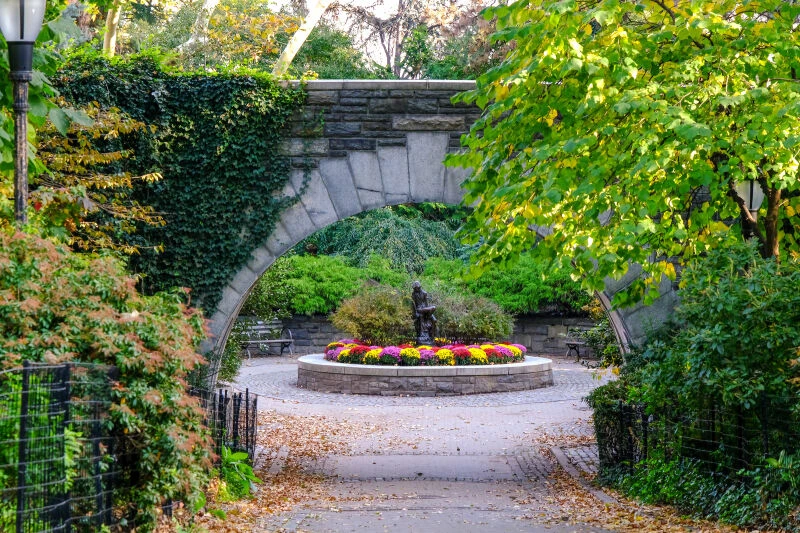
Central Park is the major outdoor resource along the western edge. The Reservoir and Bridle Path are familiar destinations for runners and walkers, while the wider park offers lawns, paths, playgrounds, and seasonal programs. Public park access is not the same as a private club membership. Use the official Central Park page for current rules, closures, and program details.
Culture and institutions
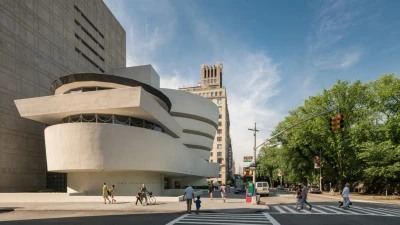
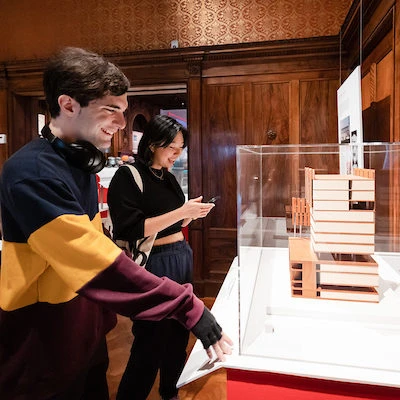
Fifth Avenue's Museum Mile context puts several major institutions within a short walk of the neighborhood. The Guggenheim is at 1071 Fifth Avenue at 88th Street. Cooper Hewitt is at 2 East 91st Street, inside the former Andrew Carnegie Mansion. The Jewish Museum is at 1109 Fifth Avenue at 92nd Street. 92NY is at 1395 Lexington Avenue between 91st and 92nd Streets and offers cultural, fitness, family, and community programs.
Transit and routes
The MTA 6-line map lists 86 St at East 86th Street and Lexington Avenue and 96 St at East 96th Street and Lexington Avenue. The 86 St station has 4/5 transfers except late nights. The Guggenheim's official directions also list the Q train and M1, M2, M3, and M4 buses. The MTA Manhattan bus schedules include M15, M86, M96, M98, M101, M102, and M103, among other routes.
Check the MTA accessibility page before relying on an elevator or a particular entrance. Accessibility status and service can change. A commute estimate should always include the exact route, time of day, and current service conditions.
Libraries, food, and services
The 96th Street Library at 112 East 96th Street is the nearest NYPL reference for the northern edge. The Yorkville Library at 222 East 79th Street is useful but sits below the usual Carnegie Hill boundary, so it should be described as nearby rather than inside the area. The Lenox Hill Hospital page confirms the hospital’s address and current official description. Food shopping and daily services tend to be spread across avenue corners and side streets rather than concentrated in one named center.
A simple week might look like this: walk through Central Park in the morning, take the 6 train downtown, pick up groceries on a return route, use the library for a quiet hour, and attend an evening program at 92NY or a museum on Fifth Avenue. The details change, but the pattern is what makes the neighborhood practical for people who value walking and public transit.
Schools: use the exact address
School information should be checked for the exact home address and the correct grade level. NYC Public Schools explains that zoning can change and that families should use the official address-based search rather than infer a school from a neighborhood name. Start with the NYC Public Schools enrollment pages or the NYC311 School Finder article.
Hunter College High School is located at 71 East 94th Street between Park and Madison Avenues. The official Hunter admissions page says the high school serves grades 7-12 and that the only entry year is 7th grade. It also says applicants must meet its eligibility and qualification requirements. Living in Carnegie Hill does not guarantee admission.
For private, independent, religious, or other schools, check each school's current admissions requirements directly. A nearby school is not automatically a zoned school, and a school's address does not establish a family's eligibility.
What ownership involves
The less visible work of owning here is often paperwork, shared decisions, and exterior approvals. Before making an offer, ask what the monthly cost includes, what the building is saving for, what has been voted on recently, and which expenses can still arrive as an assessment or special charge.
Building financials and house rules
- Request current financial statements, reserve information, budget, debt, and any planned capital work.
- Read the house rules for pets, sublets, guests, moves, noise, storage, and alterations.
- For a co-op, understand the board package, interview process, financing limits, and any transfer or flip fee the building charges.
- For a condo, review common charges, reserves, insurance, association meetings, and alteration procedures.
- For a house, confirm who handles the roof, facade, basement, yard, areaway, insurance, and access.
Landmark and exterior work
The LPC says owners generally need a permit before doing work that affects the exterior of an individual landmark or a building in a historic district, including some work not visible from the street. The current application process is handled through Portico. Staff can approve some work that meets the rules; other work goes to a public hearing and Commission review. The LPC Permit Guidebook explains the main permit types in plain language.
A renovation can therefore require several approvals at once: the co-op or condo board, the architect or contractor, the Department of Buildings, and LPC when the address is protected. Ask early. A design that looks simple inside can still touch a protected window, facade, roof, rear yard, or mechanical opening.
Light, layout, and condition
Check the actual light at different times of day, the direction of the windows, the floor-to-floor height, the amount of storage, and the amount of through-wall equipment. Ask what has been renovated, what was left alone, and what a buyer or board may want documented. A clear condition report is more useful than a general promise that the home is “updated.”
Why people consider it, and the tradeoffs
Reasons people look
- Central Park and outdoor space within walking distance.
- Historic streets, masonry architecture, and a recognizable local scale.
- Major museums, 92NY, libraries, and other institutions nearby.
- Several subway and bus options for trips across Manhattan.
- A mix of apartment living and house living in one compact area.
Questions to test
- Avenue traffic, buses, and street noise can differ from a quiet side street.
- Older buildings may mean stairs, smaller elevators, older systems, or more shared decisions.
- Shared charges, reserves, and assessments can change the monthly picture.
- Landmark rules can make exterior work slower or more detailed.
- Boundaries are informal, so an address near Third Avenue or East 98th Street needs a careful check.
The best fit is not about a demographic label. It is about concrete preferences: walking versus driving, outdoor space versus lower maintenance, historic detail versus new construction, shared services versus direct control, and how much street activity a person wants outside the window.
Buying and selling here
For buyers
- Start with the exact address, not just the neighborhood name.
- Identify the ownership form and request the building's current financial and rule documents.
- Check the LPC map before planning exterior work.
- Visit at more than one time of day and test light, noise, layout, and access.
- Use official school and transit sources for current details.
For sellers
- Gather the latest financials, house rules, alteration records, and known capital work.
- Be clear about maintenance history, assessments, and pending decisions.
- Show the home's real light, layout, storage, and street exposure.
- Explain landmark or exterior approvals when they apply.
- Answer practical buyer questions before they become surprises in review.
This is an overview, not a full transaction-process guide. The checklist stays focused on the decisions that are specific to this place.
Frequently asked questions
Where is Carnegie Hill?
Is the whole neighborhood inside the Carnegie Hill Historic District?
What kinds of homes are common?
Does living near Hunter College High School guarantee admission?
What should I ask a co-op before making an offer?
Do I need landmark approval to renovate?
What is the transit picture?
Talk through the next step
Carnegie Hill rewards a careful look at the exact building, block, and ownership documents. If you are considering buying or selling on the Upper East Side, start with the address and the questions above. John Slattery is a solo Corcoran agent serving the Upper East Side, Manhattan, New York. The Zillow-reported profile figures in this guide are not a claim of Carnegie Hill specialty.
Learn about Carnegie Hill NeighborsCheck the LPC historic-district mapCheck school information by addressContact John