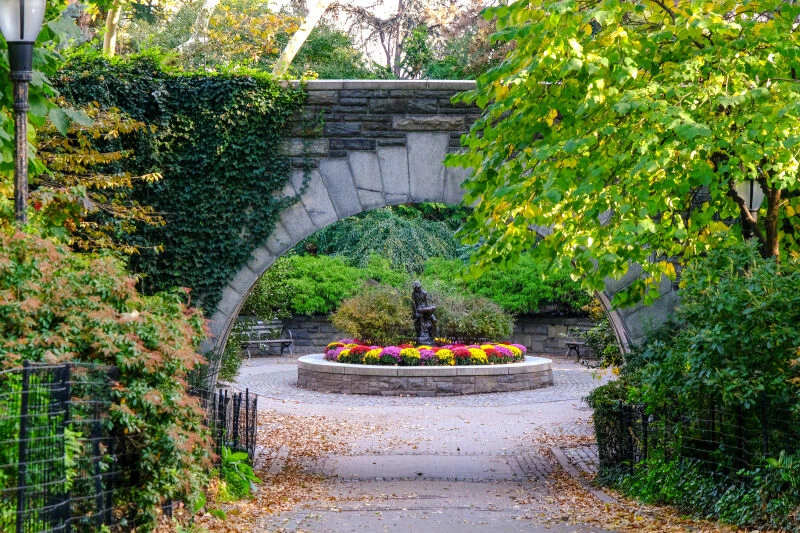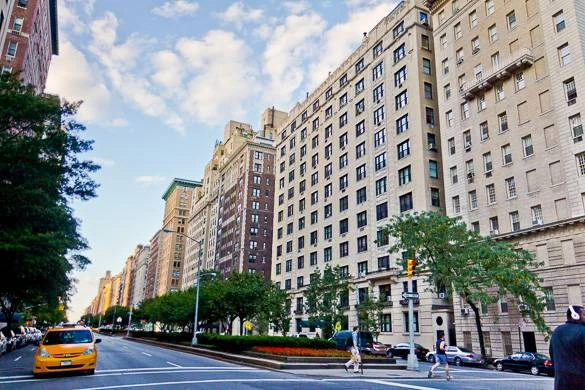

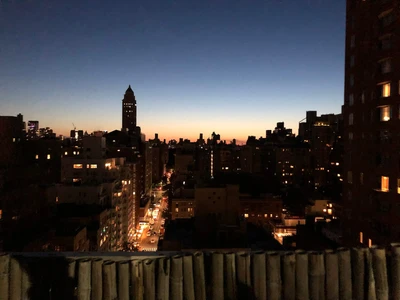
A practical guide to Manhattan’s Upper East Side, its roughly East 59th to East 96th Street, Fifth Avenue to East River frame, local areas, housing mix, parks, Museum Mile, subway access, landmarks, and the buyer and seller questions that matter.
The Upper East Side is the stretch of Manhattan east of Central Park, between roughly E 59th Street and E 96th Street, from Fifth Avenue to the East River. This guide uses that familiar frame because it is useful for a buyer or seller trying to understand the area. It is an orientation frame, not a legal boundary. Local names such as Lenox Hill, Carnegie Hill, Yorkville, and the East End Avenue/Gracie Place pocket are also practical labels, but their edges are informal and can change depending on the map or conversation.
What makes the area distinct is the combination of a park edge, a dense street grid, several different subway lines, major museums, and housing that ranges from prewar co-ops to newer condominiums and townhouses. A block near Fifth Avenue can feel different from a block near Second Avenue or the river. The practical question is not simply whether someone likes the Upper East Side. It is which block, building type, and ownership rules fit the way they want to live.
How John can help
John G. Slattery is a Corcoran agent with six years in real estate and 37 sales. He helps Upper East Side buyers compare homes and sellers prepare for market.
Where it is and how to understand the area
The quickest way to orient yourself is to read the area from west to east. Fifth Avenue and Central Park form the western edge. Moving east, the usual cross-street sequence is Madison Avenue, Park Avenue, Lexington Avenue, Third Avenue, Second Avenue, First Avenue, and York Avenue before the East River. The numbered streets run north from E 59th Street toward E 96th Street. The Second Avenue subway and the Lexington Avenue line sit on different sides of the neighborhood, so a short walk can change both the route and the noise level.
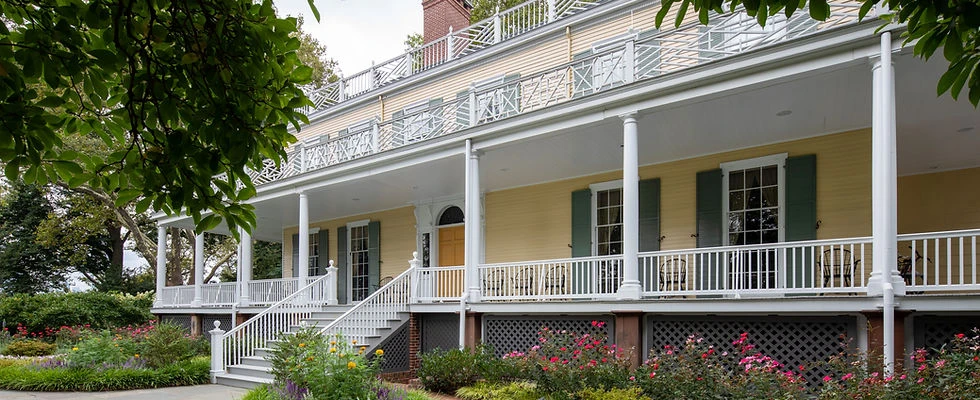
The frame above also overlaps with Manhattan Community Board 8, which describes its area as running from the north side of E 59th Street to the south side of E 96th Street, Fifth Avenue to the East River, plus Roosevelt Island. Roosevelt Island is nearby across the river; it is not part of this guide's Upper East Side frame. New York City itself has many ways to draw neighborhood lines. NYC's Environment & Health Data Portal explains that the city has hundreds of neighborhoods and nearly as many boundary schemes, which is why this article labels its edges as informal.
This is an orientation diagram, not a legal map. The avenues and streets are shown to explain relationships; distances are not to scale. The familiar Upper East Side frame used here runs roughly from E 59th to E 96th Street, Fifth Avenue to the East River.
The map is most useful when you compare three kinds of access: park access on the west, subway access along Lexington Avenue or Second Avenue, and river access on the east. Central Park is a nearby destination on the other side of Fifth Avenue. The East River Esplanade, Carl Schurz Park, and the East End Avenue area sit inside or along the eastern edge of the working frame. East Harlem begins north of E 96th Street, and Midtown begins south of E 59th Street. Those places are nearby references, not places to fold into this guide.
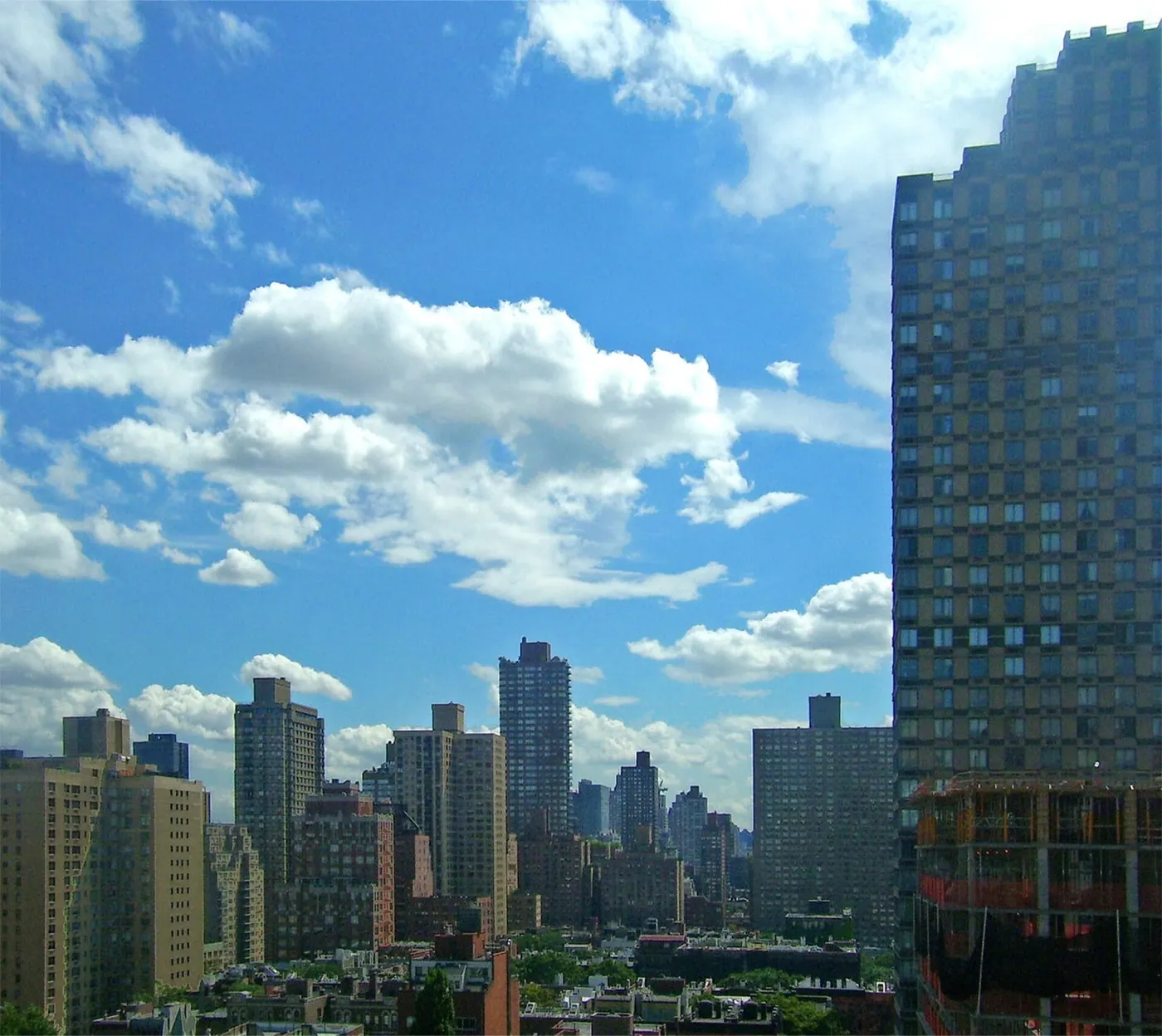
What makes the Upper East Side different
The neighborhood is not one uniform product. On the western side, Fifth Avenue faces Central Park and brings museums, cultural institutions, and larger prewar buildings into the same walk. Madison and Park Avenues tend to feel more residential and polished. Lexington Avenue carries local shopping and the 4/5/6 subway. Third and Second Avenues bring busier commercial strips, while First and York Avenues move toward the river, the East River Esplanade, and the quieter East End Avenue pocket.
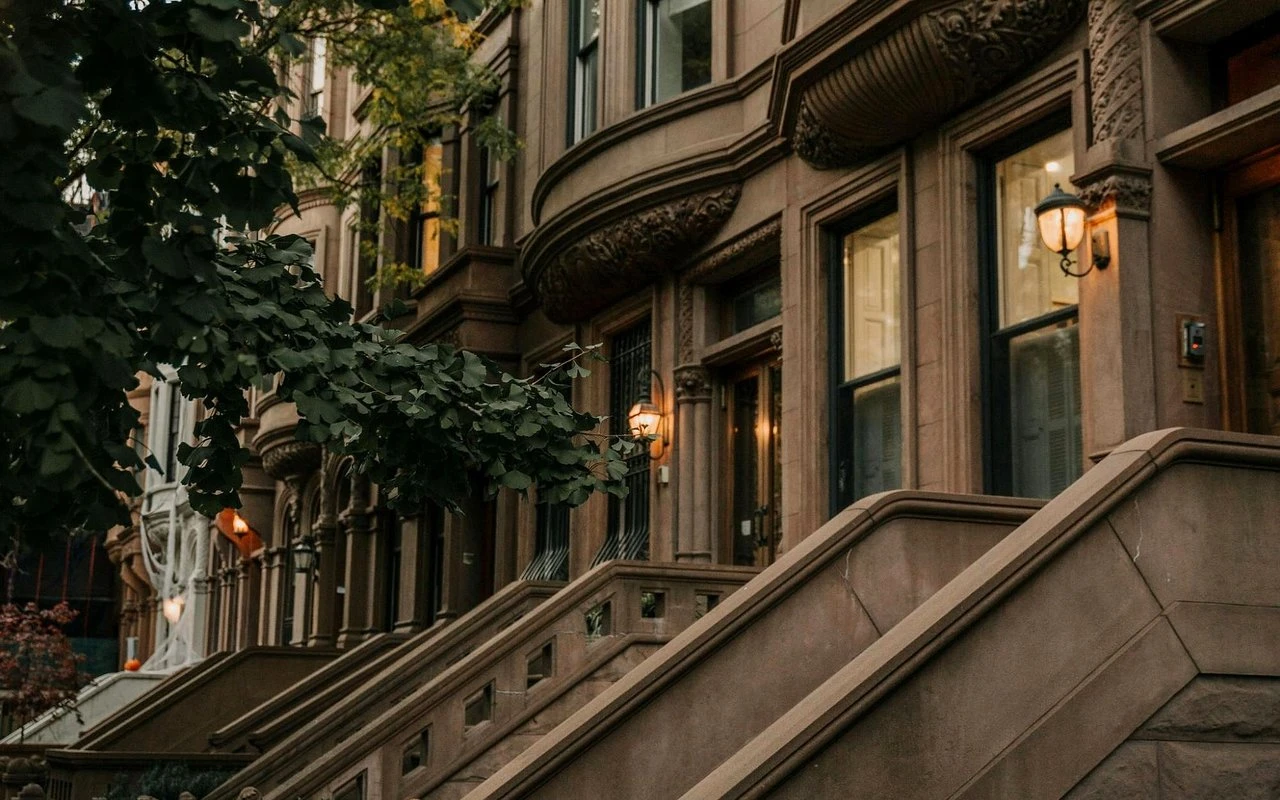
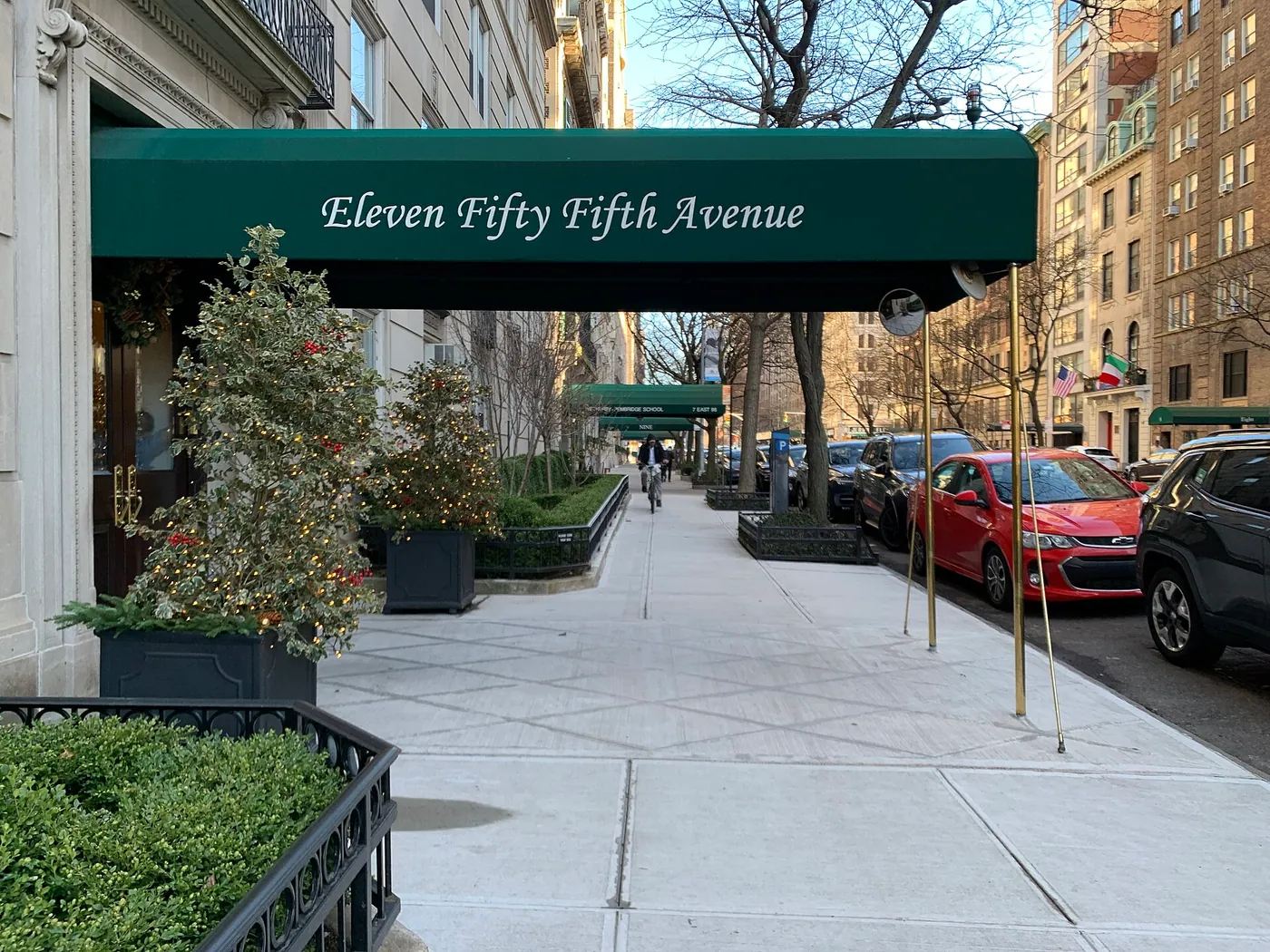
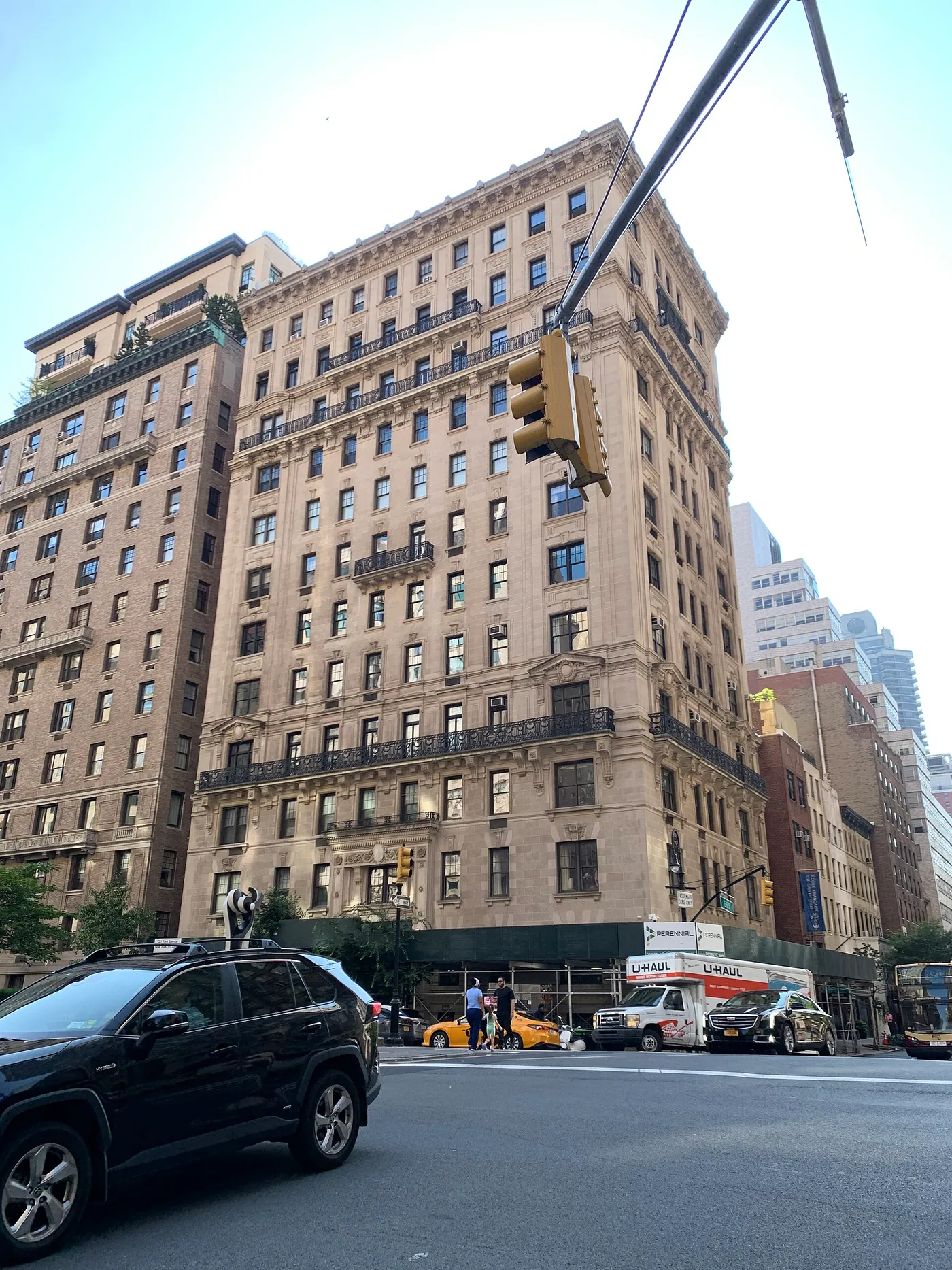
The streets themselves are part of the character. Many blocks have low-rise rowhouses, prewar apartment buildings, mature street trees, and entrances that sit close to the sidewalk. Other blocks have newer towers or large elevator buildings. A buyer should notice the line of the apartment: a west-facing home may look toward Central Park or a courtyard, an east-facing home may look toward the river, and a street-facing home may get more light but more traffic noise. The same street name can contain very different conditions from one block to the next.
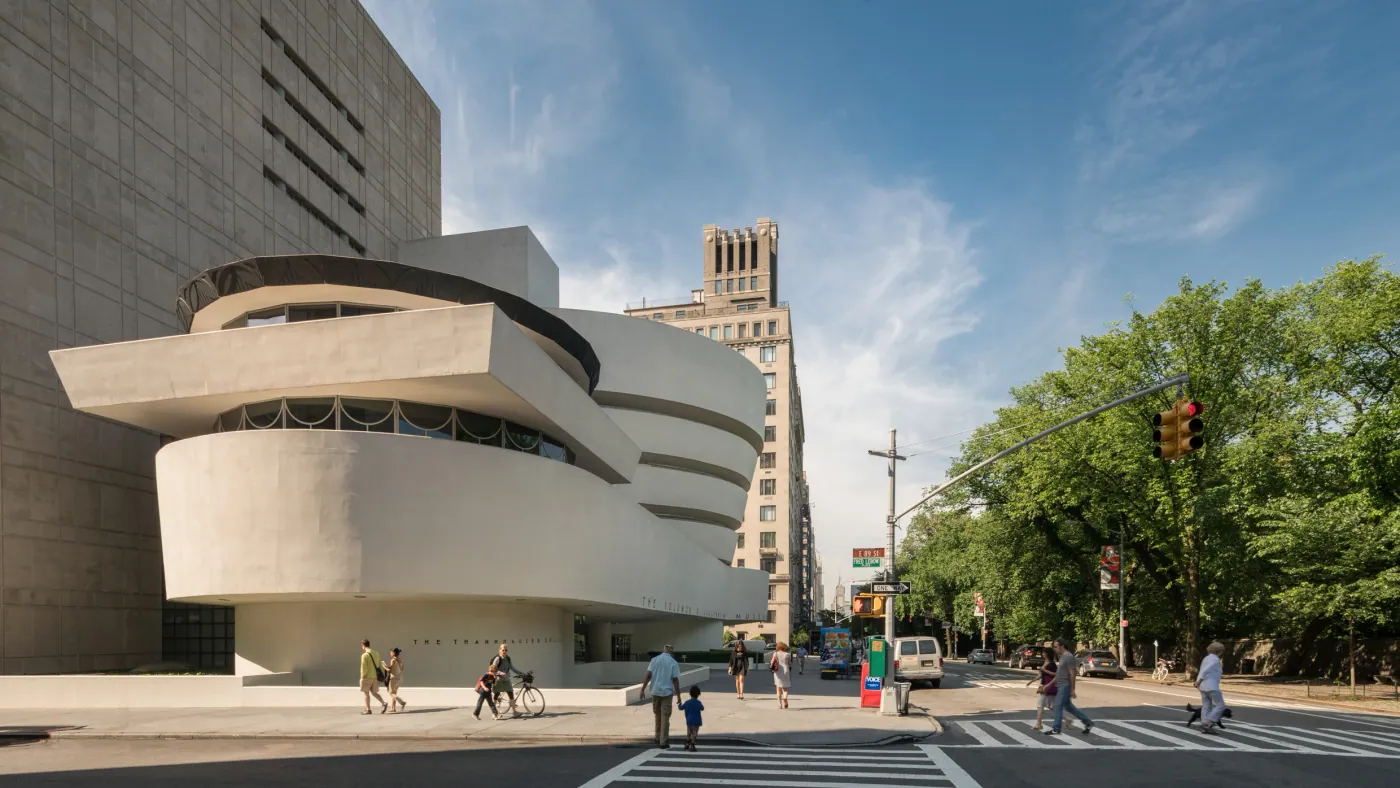
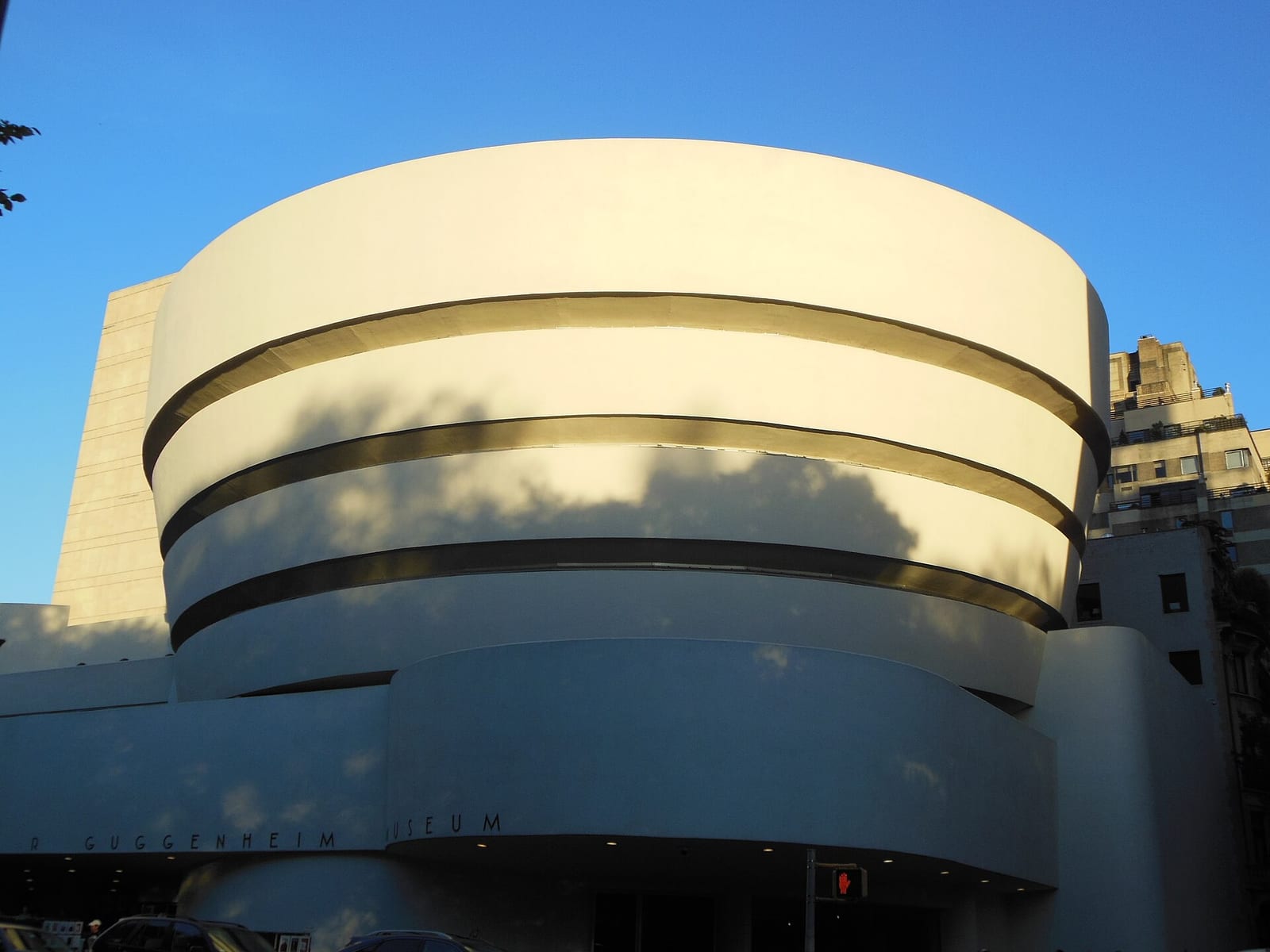
Culture is unusually close to daily life. The Fifth Avenue corridor known as Museum Mile includes the Metropolitan Museum of Art, the Guggenheim, Cooper Hewitt, the Jewish Museum, and other institutions. NYC Tourism describes the corridor as a collection of art, history, design, and culture along Fifth Avenue. The exact institutions and hours change, so check each museum's own visit page before making a plan: the Metropolitan Museum of Art, the Guggenheim,Cooper Hewitt, the Jewish Museum, and Neue Galerie New York. The practical value for a resident is not a checklist of museums. It is knowing that a major cultural destination, a park entrance, and a subway route can all be part of an ordinary walk.
How it developed
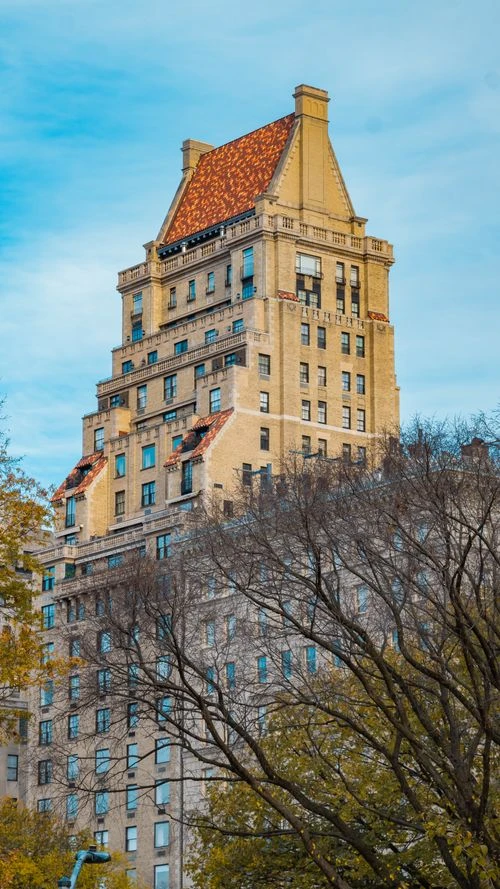
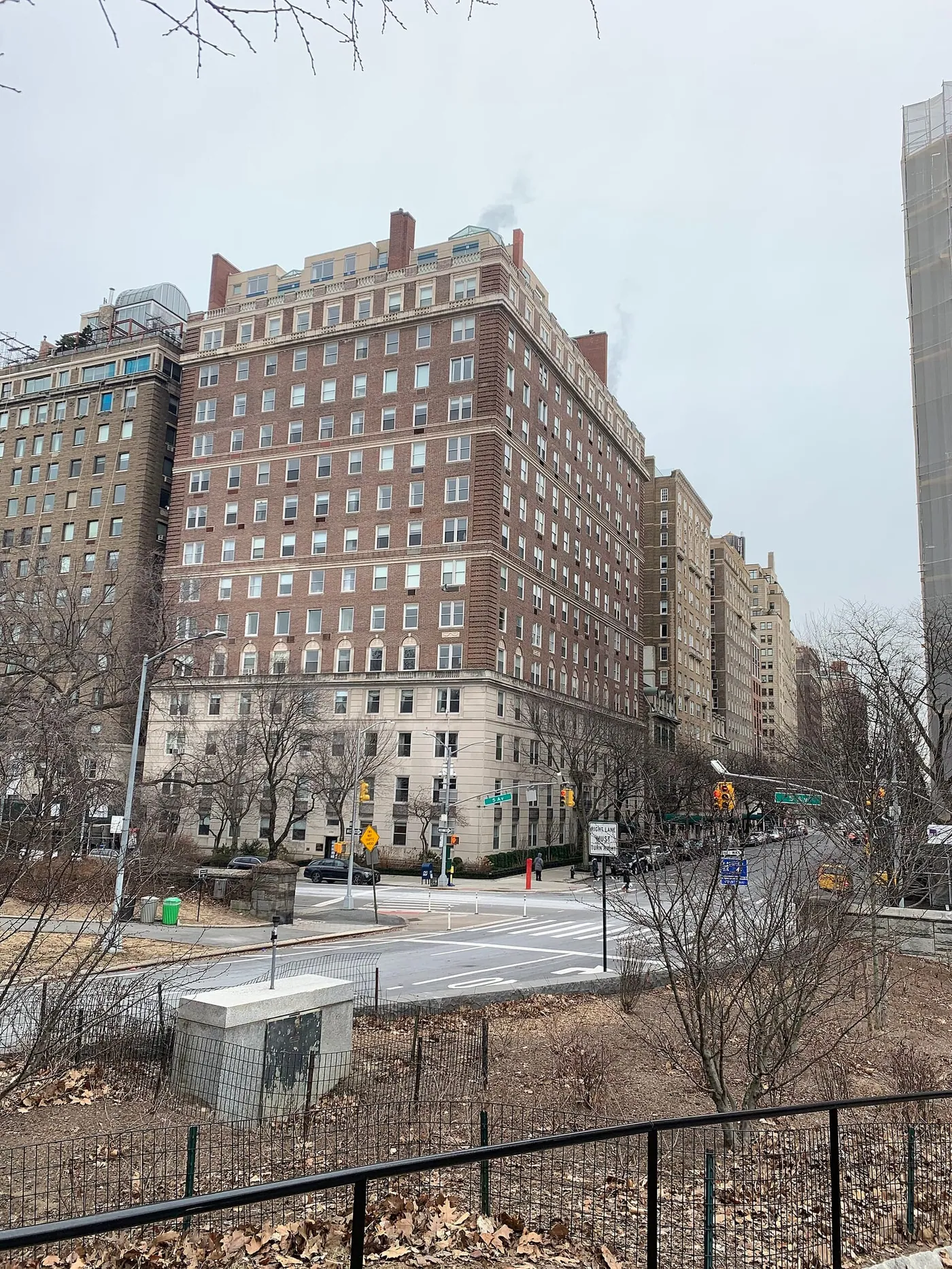
Much of the area's housing was built in the late 19th and early 20th centuries as Manhattan expanded north from Midtown. The Upper East Side became a residential district with townhouses, apartment houses, churches, schools, and shops arranged around the park edge and the numbered street grid. Later construction added larger apartment towers and newer condominiums, but the older fabric still shapes what a buyer sees today: brick and limestone facades, prewar floor plans, elevators, lobbies, courtyards, and buildings with long ownership histories.
Preservation is part of that history. The NYC Landmarks Preservation Commission (LPC) protects architecturally, historically, and culturally significant buildings and sites by granting landmark or historic-district status and regulating them after designation. The LPC's Manhattan maps include the Carnegie Hill Historic District, the Expanded Carnegie Hill Historic District, and the Upper East Side Historic District. The Carnegie Hill designation report describes roughly 100 buildings dating from the 1880s through the early 1930s. The Upper East Side Historic District map records a designation date of May 19, 1981.
Those designations help a buyer understand why a building may have protected exterior details, why a window or façade change may need review, and why a seller may need to document approved work. They do not mean that every building in the wider area is landmarked. Check the exact address against the LPC map and read the building's own alteration rules before planning a project. The LPC's permits and alterations FAQ is the right starting point.
Homes and meaningful smaller areas
The housing mix is one of the reasons the Upper East Side can suit different plans. A prewar co-op may offer generous rooms, high ceilings, and a traditional building structure. A newer condominium may offer a more contemporary layout, a different approval process, and different monthly costs. A townhouse may provide outdoor space and control over more of the building, but it also brings direct responsibility for systems, façade work, taxes, and maintenance. Newer construction may have stronger mechanical systems and modern amenities while asking the buyer to evaluate the building's financials and service model just as carefully.
| Area | Common orientation | What to notice |
|---|---|---|
| Lenox Hill | Southern part of this frame, generally around E 59th–E 77th Street east of Fifth Avenue. | Park-edge blocks, larger apartment buildings, hospital and cultural access, and a mix of busy avenues and quieter side streets. |
| Carnegie Hill | Upper portion of the frame, commonly associated with the 80s and 90s near Fifth Avenue and the park. | Historic districts, townhouses, institutional buildings, schools, and a quieter residential feel on some blocks. |
| Yorkville | Commonly described around E 79th–E 96th Street east of Third Avenue toward the river. | A denser mix of prewar buildings, rowhouses, newer homes, shops, and access to Second Avenue subway and riverfront paths. |
| East End Avenue / Gracie Place | Riverfront pocket near Carl Schurz Park, generally around the upper 70s and 80s along the eastern edge. | Quieter streets, park and river orientation, limited through traffic, and a different walk to subway lines and shops. |
How to read a listing
A listing can look simple while the ownership details are not. Ask whether the home is a co-op, condo, or townhouse; what the monthly charge includes; whether there is a doorman, superintendent, elevator, storage, or bike room; what the building's recent capital work has been; and whether any assessment or major repair is planned. Look at the actual line of the windows, the room proportions, the ceiling height, the kitchen and bathroom condition, the noise at different times of day, and the amount of natural light. A beautiful photograph does not answer those questions.
Everyday life: parks, culture, schools, and transit
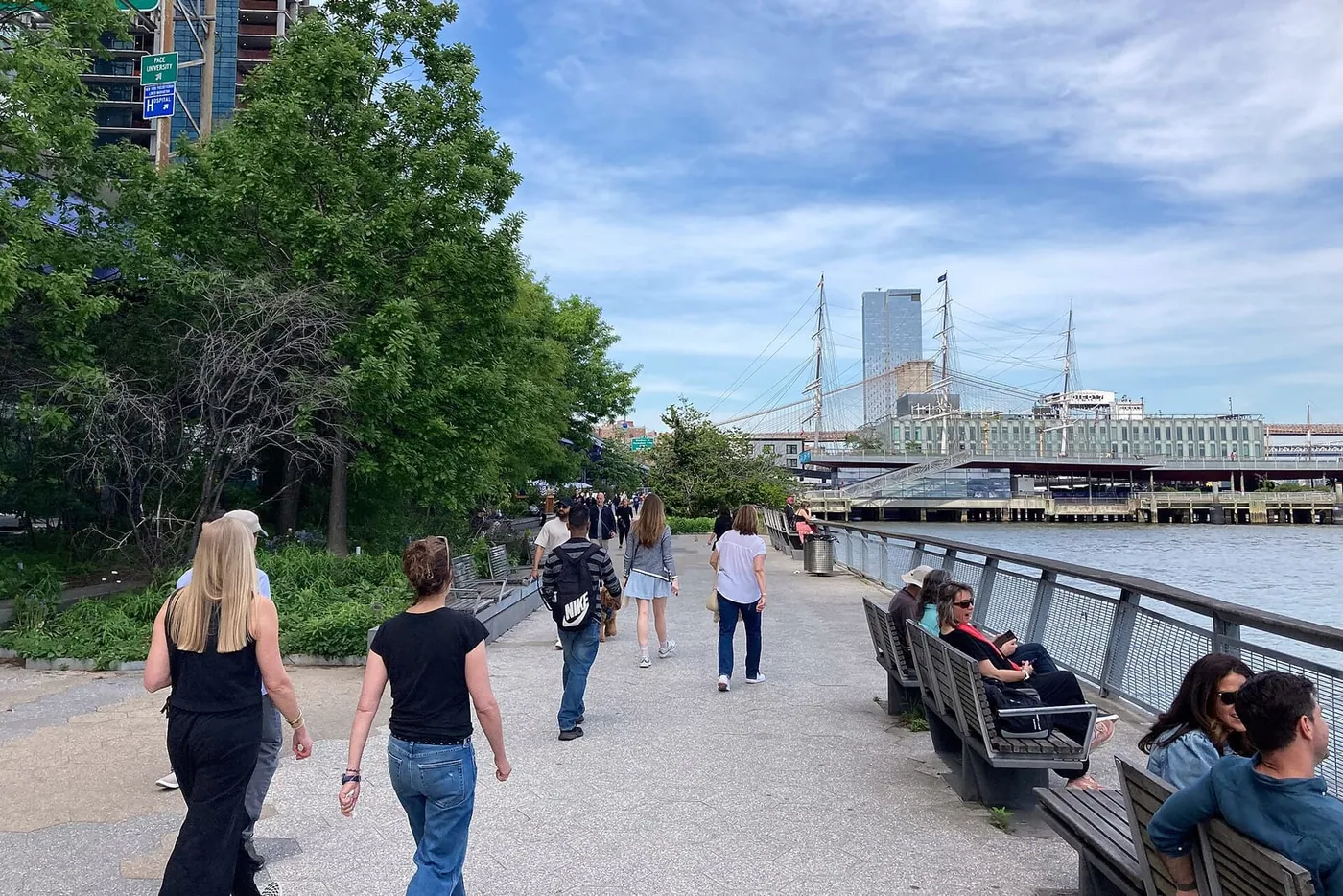
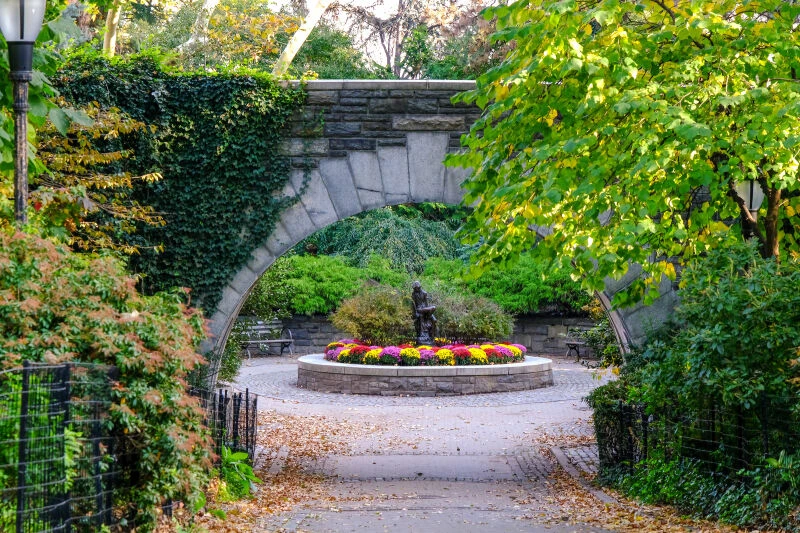
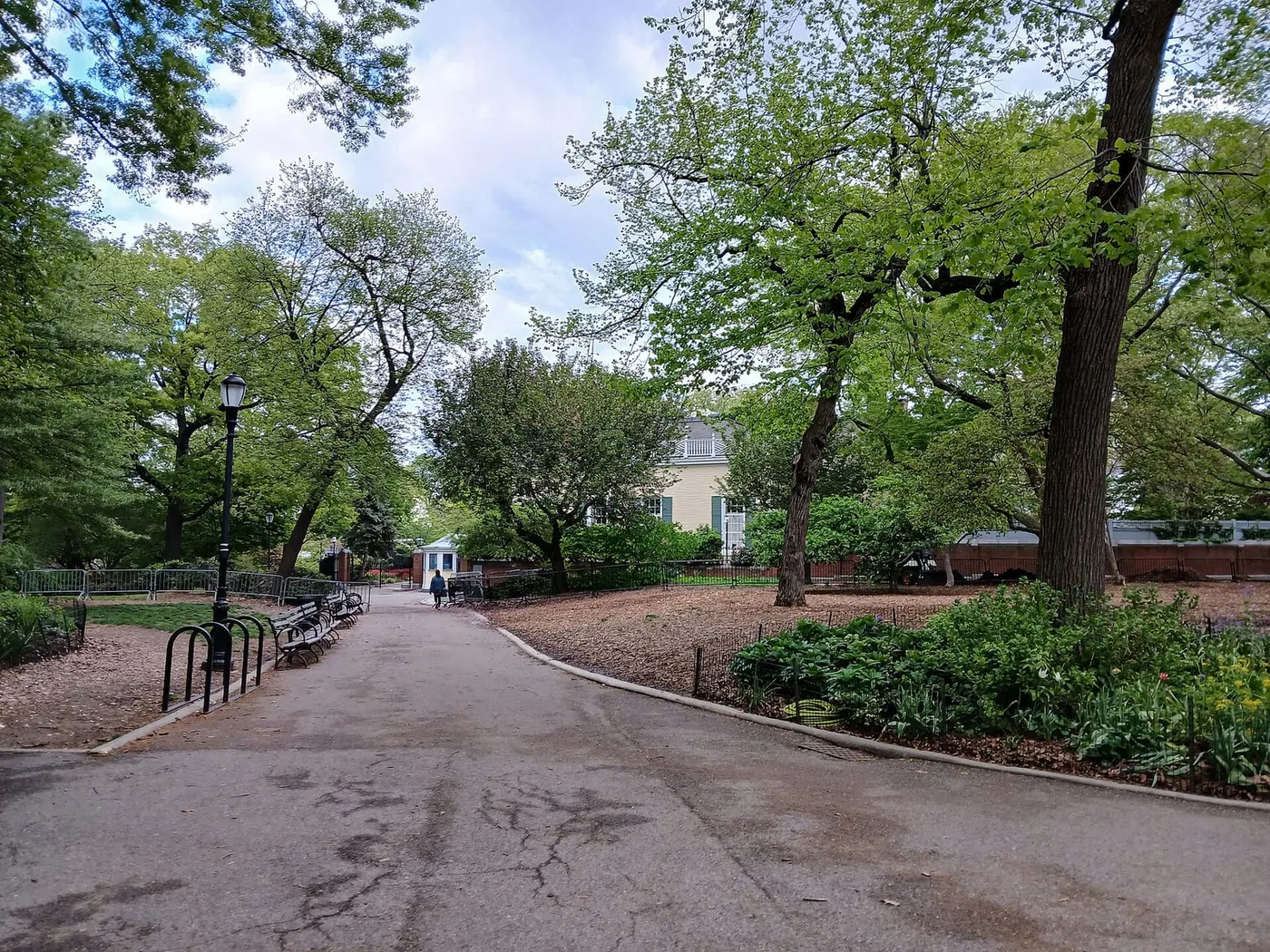
Daily life changes with the east-west position. On the west side, Central Park is the main outdoor reference. The Central Park Conservancy provides maps, rules, programs, and updates for the park. On the east side, Carl Schurz Park and the East River Esplanade provide paths, river views, playgrounds, and places to walk close to home. NYC Parks maintains the official pages for Carl Schurz Park and the East River Esplanade. Conditions, closures, and construction can change, so check the park page before relying on a route.
The subway picture is equally block-specific. The MTA's 6 line map lists 68 St-Hunter College, 77 St, 86 St, and 96 St on Lexington Avenue; 86 St shows a 4/5 transfer. The MTA's Q line map lists 72 St, 86 St, and 96 St on Second Avenue, with entrances at the numbered cross streets. A home near Second Avenue may make the Q the obvious route; a home near Lexington may make the 6 or 4/5 the shorter walk. Bus service, walking, and bike routes can matter as much as the nearest subway pin. The MTA's Second Avenue Subway Phase 2 page is useful background on the wider project, but planned work should not be treated as a promise of future service or a guaranteed commute.
- Central Park
- Carl Schurz Park
- East River Esplanade
- Museum Mile
- Lexington Avenue shops
- Second Avenue subway
- Local libraries
- Nearby hospitals
Schools should be checked by address and grade, not assumed from a neighborhood name. NYC's official MySchools school directory is the place to search current options and enrollment information. Similarly, the New York Public Library's 67th Street branch and 96th Street branch are useful local references, while hospital availability should be confirmed through the provider's own location pages, such as NewYork-Presbyterian's locations directory and Lenox Hill Hospital. This article does not promise a school placement, a hospital route, or a particular commute time.
What ownership involves
The less obvious work of owning here is usually in the building documents and the rules. A co-op is a corporation that owns the apartment building; the buyer purchases shares and a proprietary lease rather than real property in the same way as a condominium. A condo is a form of ownership where the buyer owns the unit and an interest in common areas. Both can be good homes, but the diligence is different.
| Topic | Co-op | Condo |
|---|---|---|
| Approval | Board approval, financial package, interview or policy requirements, and possible debt-to-income or liquidity rules. | Application, references, financial review, and building rules; process and restrictions vary by building. |
| Building finances | Read financial statements, reserve policy, underlying mortgage, tax structure, flip tax, and recent capital plans. | Read budget, reserves, common charges, assessments, amendments, and planned capital work. |
| Daily rules | House rules may cover subletting, pets, renovations, move-in times, and use of shared space. | Bylaws and house rules still matter, but ownership and transfer rules may be less restrictive. |
| Alterations | Board approval plus contractor, insurance, elevator, and building protection requirements. | Association approval plus the same practical building requirements; landmark review may still apply. |
If the address is in a historic district or is individually landmarked, exterior work may need a certificate of appropriateness from the LPC. That is a preservation review for proposed exterior work, not a guarantee that every change will be approved. The exact process depends on the work, the building, and the address. Interior work can still be limited by the co-op or condo rules, plumbing and electrical requirements, neighbor impact, and insurance.
Other ownership questions are easy to miss. Ask how the building handles façade inspections, roof work, boiler or elevator replacement, water damage, insurance renewals, and special assessments. Look at the condition of windows, bathrooms, kitchens, radiators, and ventilation. Check the noise at morning and evening hours. A river view can bring light and open space; it can also bring bridge traffic or wind. A quiet courtyard can feel private while limiting direct sun. Service matters too: a doorman, live-in super, elevator, package room, or bike storage can change daily life even when two apartments look similar on paper.
Why people consider it — and the tradeoffs
People often consider the Upper East Side because it combines several practical conveniences: a park on one side, a river path on the other, cultural institutions, food and shopping along multiple avenues, and subway lines that reach different parts of the city. Some buyers value prewar rooms and architectural detail. Others prefer a newer building with a simpler systems profile. Some want a quiet side street; others want to be close to a busy avenue and a short walk to the Q or 6.
The tradeoffs are real. Older buildings can mean older systems, complicated renovation paths, and more layers of approval. A co-op can add a board process and restrictions on renting or financing. A townhouse can bring direct responsibility for the entire property. A busy avenue can bring noise; a riverfront block can be farther from a subway; a park-facing apartment can have a premium view but also a different level of public activity. Parking is limited in much of Manhattan, and a buyer who needs a car should verify the actual garage, permit, and cost situation rather than assume it. School assignment and current market pricing are separate checks, not facts that a neighborhood label can settle.
The right comparison is usually block by block and building by building. Walk the route at different times. Look at the windows from the street. Read the rules. Check the financial documents. Bring the questions to a professional who can help interpret them.
Buying and selling here
For a buyer, start with the living pattern: which avenue you want to walk, which subway line you will actually use, how close you want to be to Central Park or the river, and whether a co-op's rules fit your plans. Then compare buildings, not just apartments. Review the financials, house rules, monthly charges, reserves, assessments, alteration history, and service model. Inspect the home for light, layout, noise, storage, windows, ventilation, and the condition of kitchens and bathrooms. If the property is landmarked, ask early about exterior work.
For a seller, prepare the story of the building as carefully as the story of the apartment. Gather the current budget, financial statements, house rules, alteration approvals, capital plans, and any assessment information that a buyer's attorney or lender is likely to request. Make the home's condition easy to understand. Note permitted improvements, storage, service, subway access, park access, and any tradeoffs such as street noise or a longer walk to a train. Present dated facts as dated facts; this article does not use current price figures or claim a market outcome.
A useful first conversation
Bring a short list of your must-haves and your deal-breakers: budget range, ownership form, layout, light, noise, subway line, outdoor space, pets, subletting, renovation plans, and timing. That list makes it easier to compare a prewar co-op, a condo, a townhouse, and a newer building without treating them as interchangeable.
Frequently asked questions
What are the boundaries of the Upper East Side?
For this guide, the working frame is roughly E 59th to E 96th Street, Fifth Avenue to the East River. That matches the core part of Manhattan Community Board 8's described area, but it is still an orientation frame rather than a legal neighborhood boundary. Other maps may extend the name farther north or use different edges.
Which smaller areas should I compare?
Start with Lenox Hill, Carnegie Hill, Yorkville, and the East End Avenue/Gracie Place pocket. Compare their relationship to Fifth Avenue, the park, Lexington Avenue, Second Avenue, and the river. The names are useful conversation labels; the exact edge of each one is informal.
What kinds of homes are common?
The area includes prewar co-ops, newer condominiums, townhouses, and newer construction. The right choice depends on the building's finances, rules, condition, service, light, layout, noise, and the owner's willingness to handle approvals and maintenance.
Can I renovate a landmarked property?
Maybe, but the address matters. Check the LPC map, determine whether the property is individually landmarked or in a historic district, and read the LPC's permit and alterations guidance. The co-op or condo board and the building's own contractor rules still apply.
Which subway should I use?
The Lexington Avenue line serves 68 St-Hunter College, 77 St, 86 St, and 96 St on the MTA 6 map; 86 St shows a 4/5 transfer. The Second Avenue Q serves 72 St, 86 St, and 96 St on the MTA Q map. The best line depends on the exact block, time, destination, and walking route.
How should I check schools?
Use NYC's official MySchools directory and check by address, grade, and current enrollment rules. Do not infer placement from a neighborhood name or a nearby school.
What should a seller prepare?
Prepare building financials, budget, house rules, alteration records, capital plans, assessment information, and a clear explanation of the home's condition and practical features. Date any market figure and keep the role of each person or document accurate.
Sources and next step
The most useful links in this guide are collected here so a reader can check the facts that matter to their decision:
- Manhattan Community Board 8 overview
- NYC neighborhood boundary explainer
- NYC Landmarks Preservation Commission
- LPC Manhattan historic-district maps
- MTA 6 line map
- MTA Q line map
- Central Park Conservancy
- NYC Parks: Carl Schurz Park
- NYC Parks: East River Esplanade
- NYC Tourism: Museum Mile
- NYC MySchools
- John G. Slattery's Zillow profile
If you are considering a move to or within the Upper East Side, bring your shortlist, your timing, and your questions about a particular building or block. The useful next step is a concrete conversation about what fits your plans — not a generic promise that one part of the neighborhood is right for everyone.